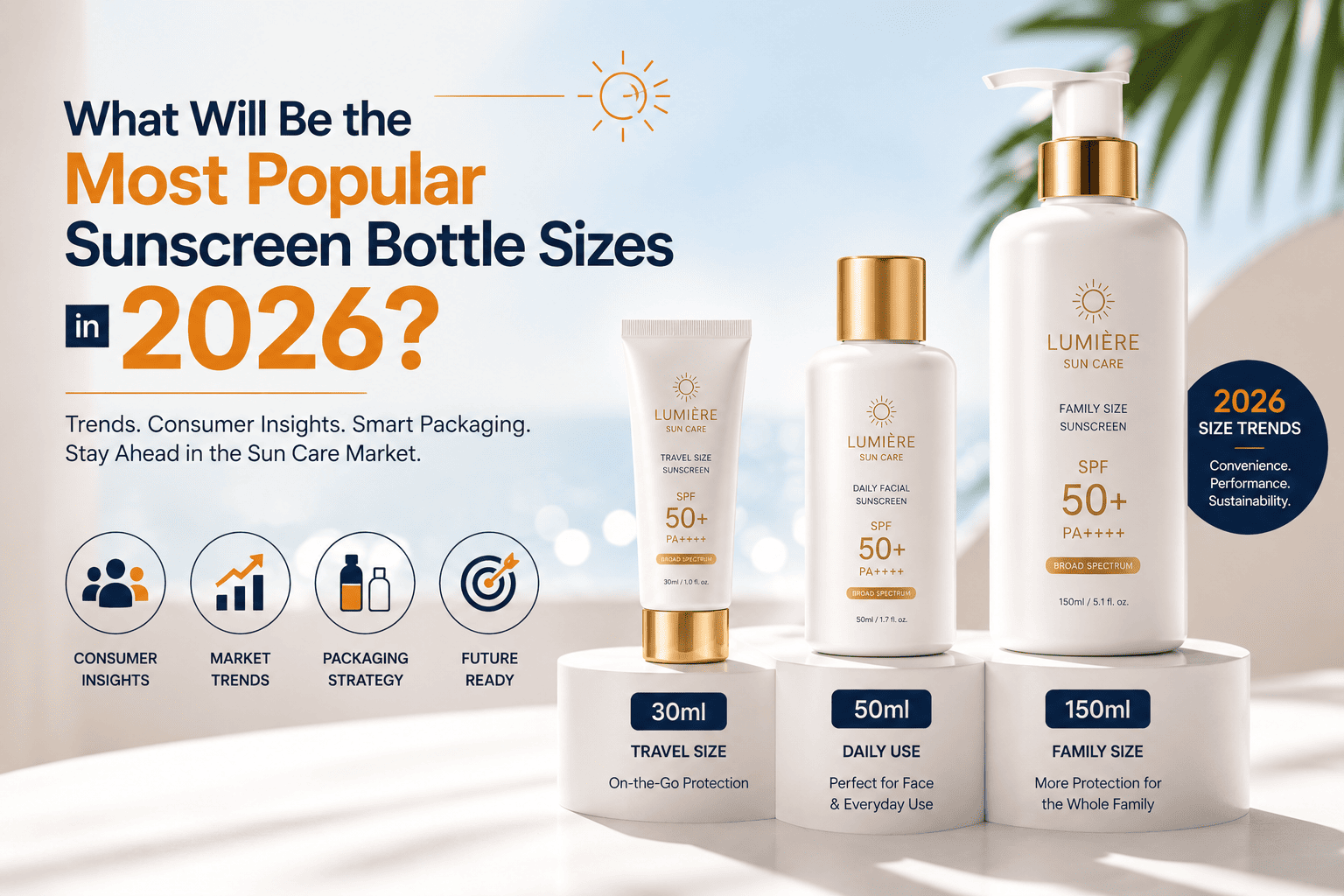
What Will Be the Most Popular Sunscreen Bottle Sizes in 2026?
June 3, 2026 • Mike Lee
You're planning your product line for the next two years, but you're stuck on a simple question: what size bottles should you order? You're afraid of betting on the wrong size and being left with thousands of units of unsold inventory.
The most popular sizes will be driven by specific use cases. 50ml will dominate daily and facial use, 100ml-150ml will be the standard for beach and body, and 30ml will be essential for children's products and travel-friendly options.
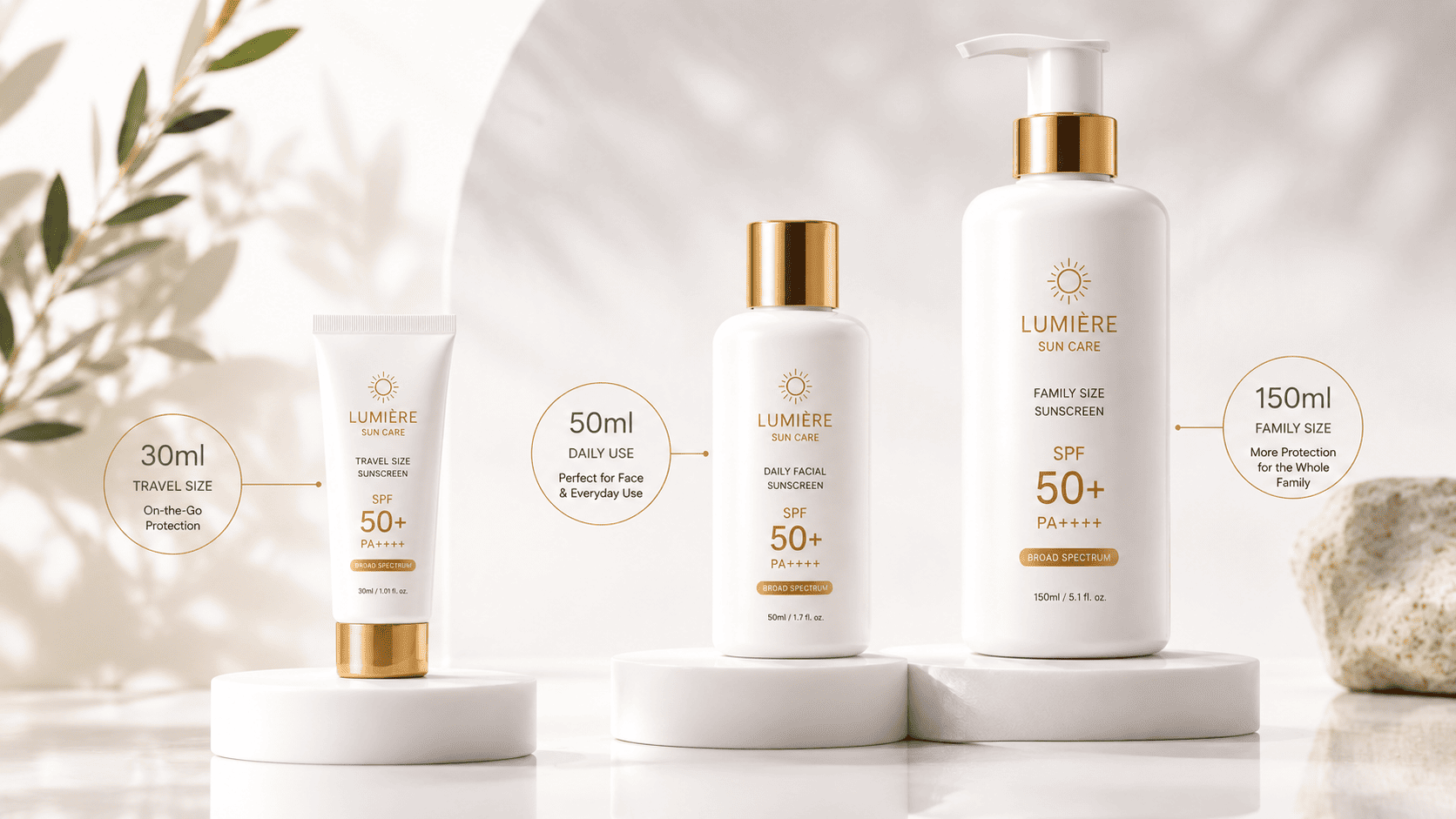
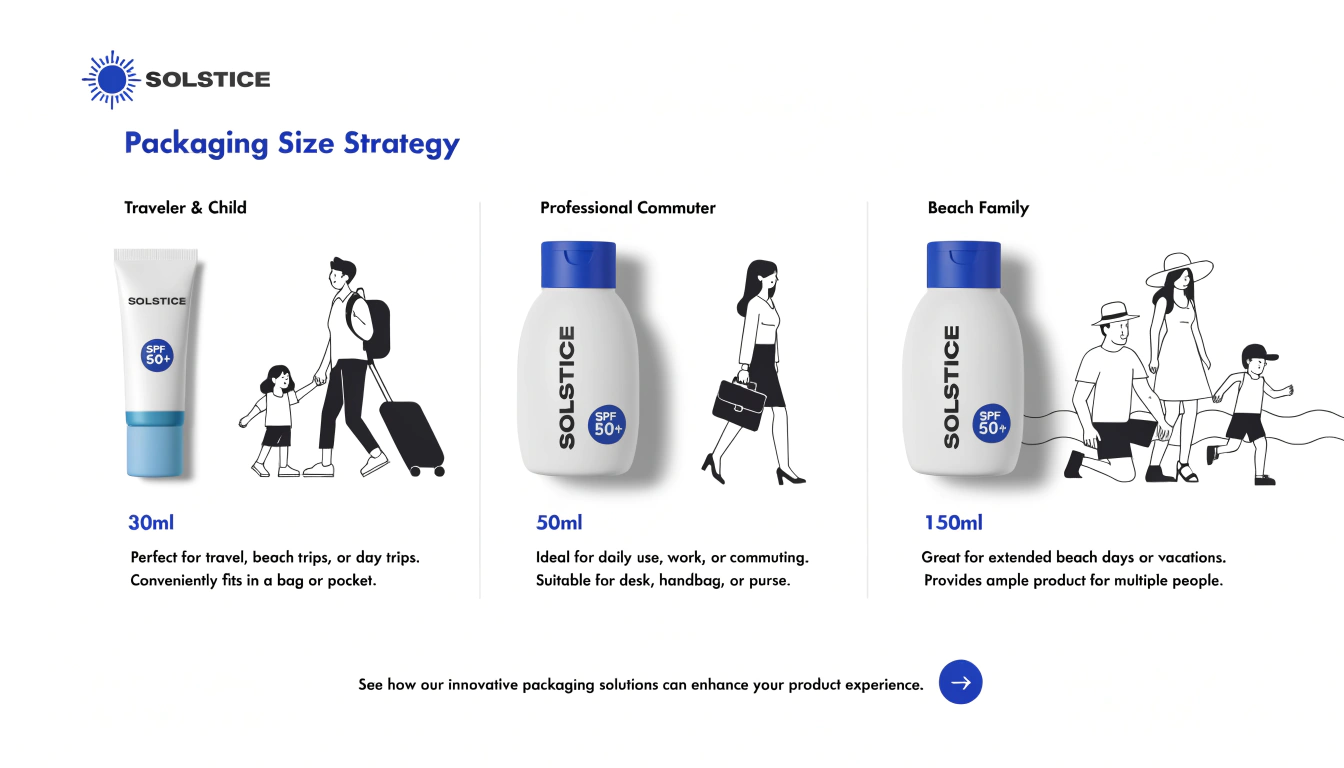
Your insight is the exact advice I give to my clients who are planning for the future. Just the other day, I was on a call with Shubihika, the Procurement Director for a major Indian brand. She was asking me for a quote on a single "standard" bottle. I stopped her and asked, "Who is this for, and where will they use it?" The conversation shifted completely. We weren't just talking about a container anymore; we were talking about strategy. We mapped her customer's life: the 50ml bottle for her daily commute, the 30ml tube for her child's school bag, and the large 150ml pump bottle for the family's beach vacation. By thinking in terms of use-case first, the "right" sizes become obvious.
What Will the 'Best' Sunscreen Packaging Look Like in 2026?
You're looking ahead, trying to predict trends. You want to make sure the packaging you choose two years from now still feels modern, relevant, and desirable to customers.
The "best" sunscreen in 2026 will be defined by its packaging's convenience and sustainability. We'll see lighter-weight materials, more post-consumer recycled (PCR) content, and highly functional dispensers that prevent waste.
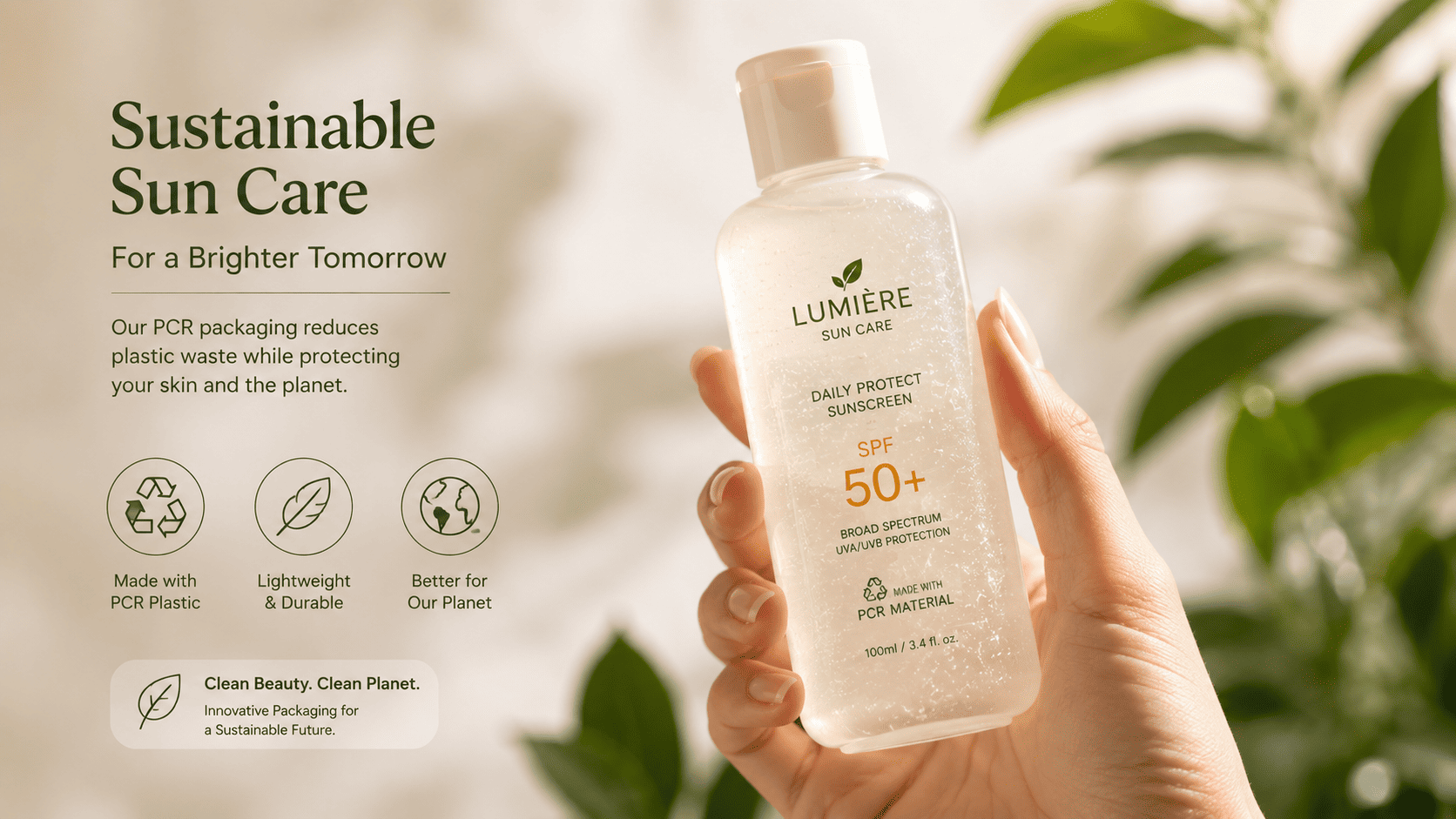
When brands ask me to predict the future, I tell them to focus on two major forces: user convenience and environmental responsibility. The "best" packaging will master both. For convenience, it means flawless performance. Pumps won't clog. Sprayers will give a continuous, fine mist. Stick mechanisms will turn smoothly every single time. It also means the package itself will be lighter and more durable. On the sustainability front, the change is already happening. Brands are demanding higher percentages of PCR plastic in their PE and PET bottles. At my factory, we've invested heavily in sourcing high-quality PCR materials that don't compromise the look or feel of the final product. A procurement manager like Sani in Indonesia is already making this a requirement. By 2026, a brand without a clear sustainability story in its packaging will simply be left behind.
What Is the Most Common Sunscreen Bottle Size Today?
You need a safe, reliable starting point for your product line. You want to know which size is the proven bestseller, the one that holds the widest appeal across different markets and customers.
The 50ml (1.7 oz) bottle is overwhelmingly the most common and versatile size. It's large enough for daily facial use but small enough to be portable, and it cleverly navigates international travel restrictions.
The 50ml bottle is the undisputed champion of sunscreen packaging, and for good reason. It hits the perfect sweet spot. As you correctly pointed out, it has become the de facto standard for daily facial sunscreens. It provides enough product for about a month of use, encouraging regular repurchases. Its compact size makes it perfect for dropping into a handbag or gym bag. But its biggest strategic advantage is being under the 100ml (3.4 oz) limit for liquids in carry-on luggage. This makes it an instant-buy for travelers and removes a major barrier to purchase. When we develop a new mold or a new surface treatment, we almost always prototype it in the 50ml size first. It's the most requested, most versatile, and most commercially successful format in the entire industry. It's the safe bet that is also a smart bet.
What Bottle Sizes Do Top Brands Use to Dominate the Market?
You look at the most successful brands and see they don't just sell one product. You want to understand their sizing strategy so you can build a complete and competitive product portfolio.
Top brands don't just sell one size. They build a "good, better, best" portfolio using three key sizes: the small 30ml, the standard 50ml, and the large 100ml+ to capture every customer and use case.
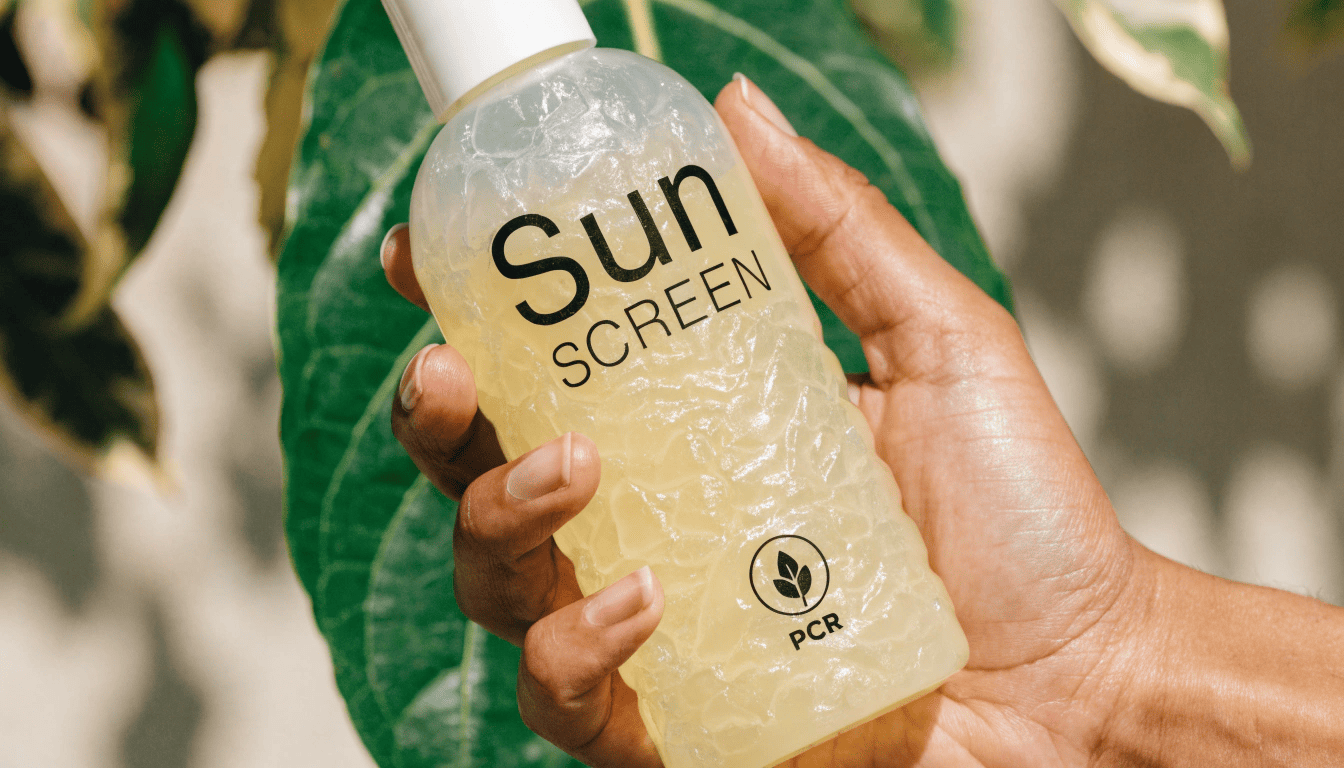
A winning brand strategy isn't about finding one perfect size; it's about building a family of sizes that work together. This multi-size approach allows a brand to maximize its revenue and market share. Here is the strategy I map out with my most successful clients:
The 3-Tier Size Domination Strategy
| Tier / Size | Target Customer & Use Case | Strategic Purpose |
|---|---|---|
| 1. The Starter (30ml) | Children, travelers, first-time buyers. For school bags, pockets, and purses. | Low-risk entry point. Perfect for trial, encourages upsell to larger sizes. |
| 2. The Standard (50ml) | Daily commuters, beauty enthusiasts. For facial application and daily routine. | The reliable bestseller. Drives repeat purchases and builds brand loyalty. |
| 3. The Value Size (100ml+) | Families, beach-goers, savvy shoppers. For body application and high-volume use. | Captures the value-conscious buyer. Increases the total volume of product sold per transaction. |
By offering this tiered system, you give a customer a reason to buy your brand for every situation. They try the 30ml, love it, buy the 50ml for daily use, and then grab the 150ml for their family vacation. You've captured them for life.
Conclusion
Plan your future product line around three core sizes: the 30ml for travel, the 50ml for daily use, and a 100ml+ bottle for high-volume needs. This strategy captures every customer.
Written by

Mike Lee
You may also be interested in:
What are the Top 10 Sunscreen Packaging Mistakes Brands Make?
You've perfected your sunscreen formula. Now comes the stressful part: packaging. You're worried that a
What Makes a Good Sunscreen Packaging Design?
You've spent a fortune on a great formula, but now you need a package. You're
What Packaging Works Best for SPF Products?
You've perfected your SPF formula, a major investment. Now you face a critical choice: the
How Do You Test Sunscreen Packaging for Compatibility and Stability?
You've finally approved your perfect sunscreen formula. Now you need to package it, but a