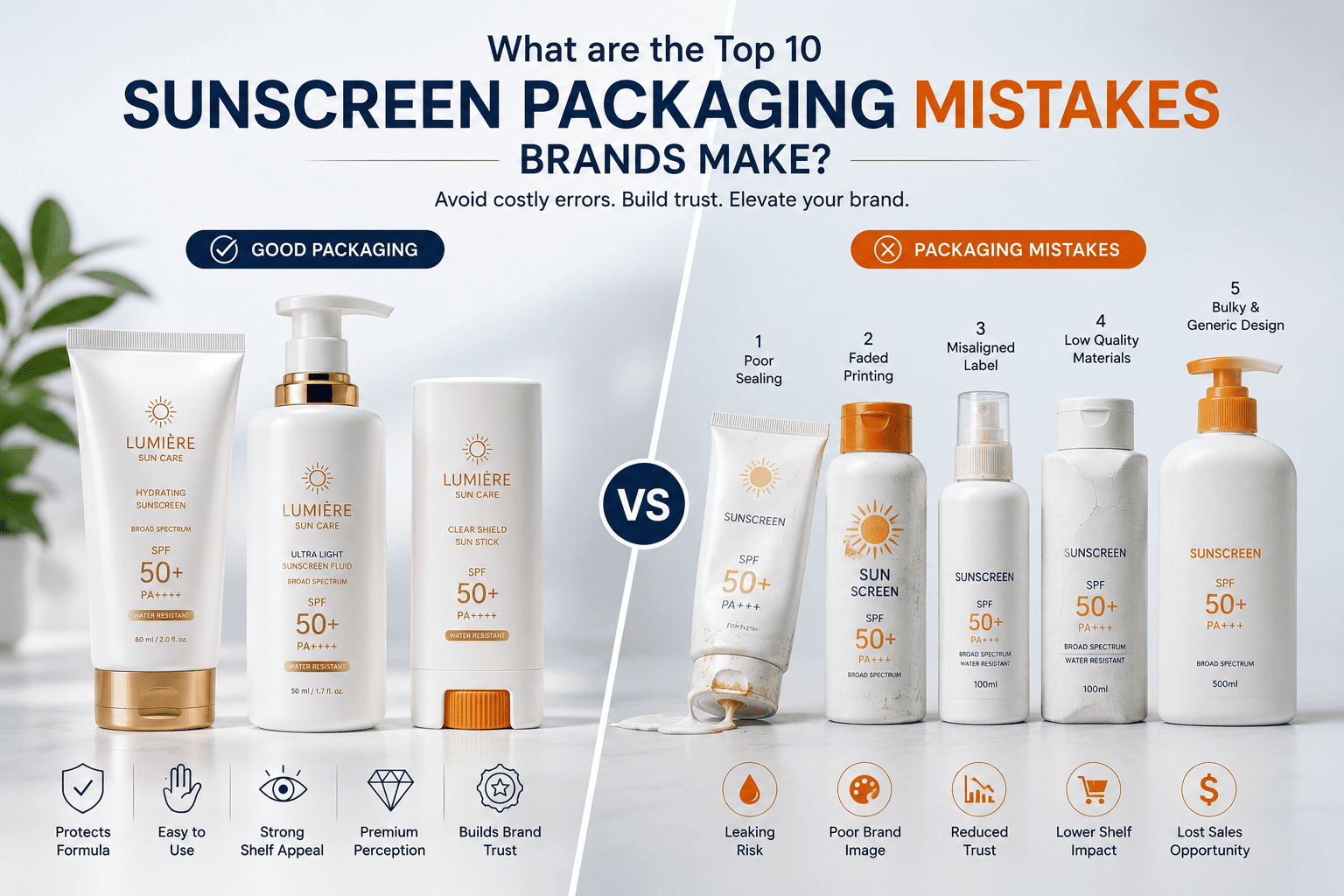
What are the Top 10 Sunscreen Packaging Mistakes Brands Make?
June 2, 2026 • Mike Lee
You've perfected your sunscreen formula. Now comes the stressful part: packaging. You're worried that a single bad choice could compromise your product, damage your reputation, and waste your entire investment.
The biggest mistake is choosing packaging that doesn't protect the formula from light, causing active ingredients to degrade. The second is printing errors that miscommunicate your brand and look unprofessional, destroying customer trust before the first use.
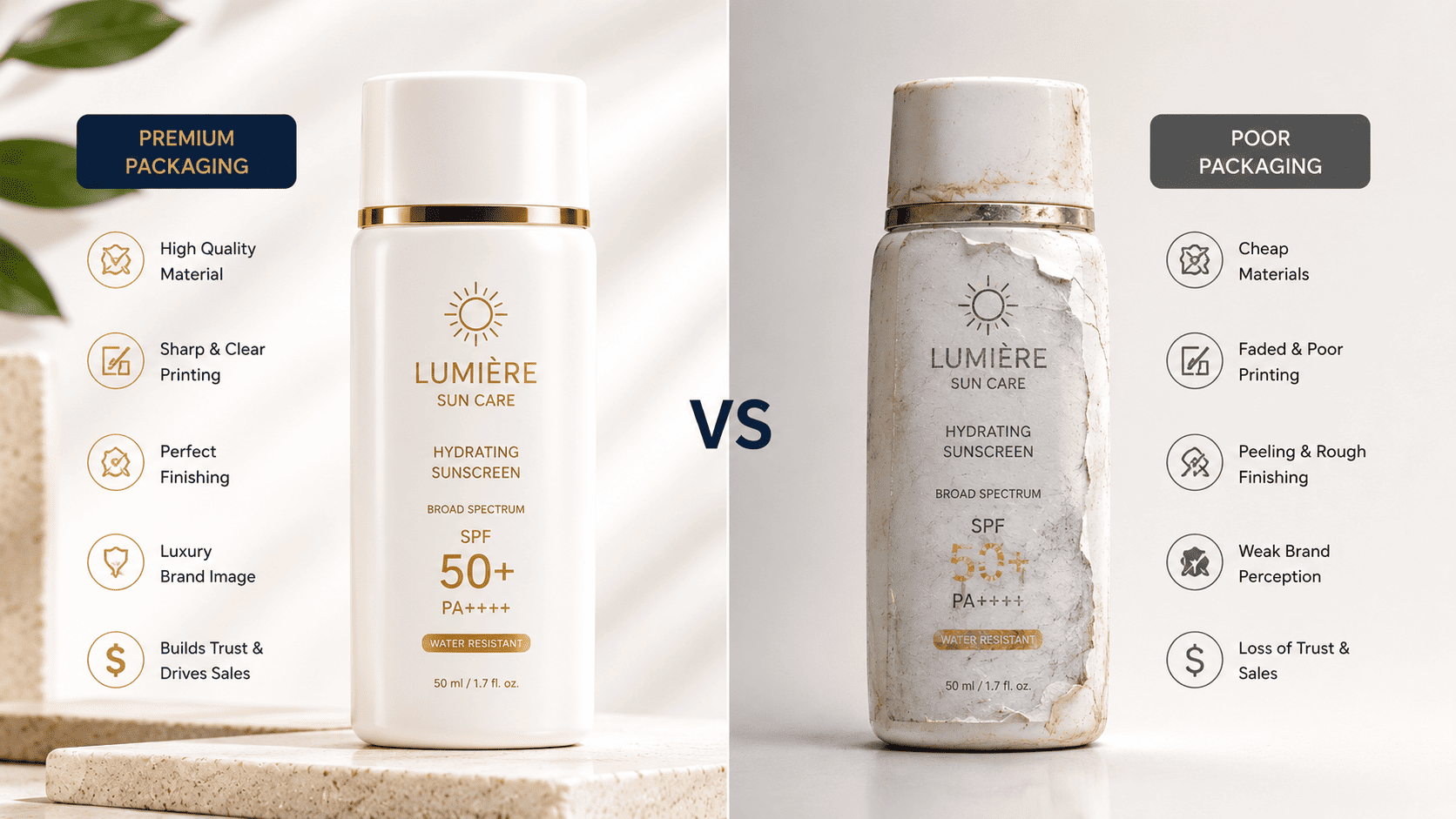
I see brands make these mistakes all the time. Your insight is spot-on. The single biggest, most catastrophic error is failing to protect the formula. I once had to tell a new brand owner that the beautiful, clear PET bottle he loved was a death sentence for his expensive, high-SPF formula. The UV filters would break down on the shelf in a matter of weeks. We had to pivot his entire design to an opaque PE tube. It was a tough conversation, but it saved his brand. The second error, poor printing, is just as deadly in a different way. It screams "cheap" and "untrustworthy," which is the last thing you want associated with a product people put on their skin to protect their health.
How Can Packaging Cause a Sunscreen Brand to Fail?
You read about big brands having recalls or products flopping. You assume it's always the formula, but you're missing how packaging can be the secret villain in the story.
A brand can fail when its packaging leaks, clogs, or fails to protect the formula, leading to bad reviews, customer complaints, and costly recalls. This erodes brand trust, which is fatal in the beauty industry.
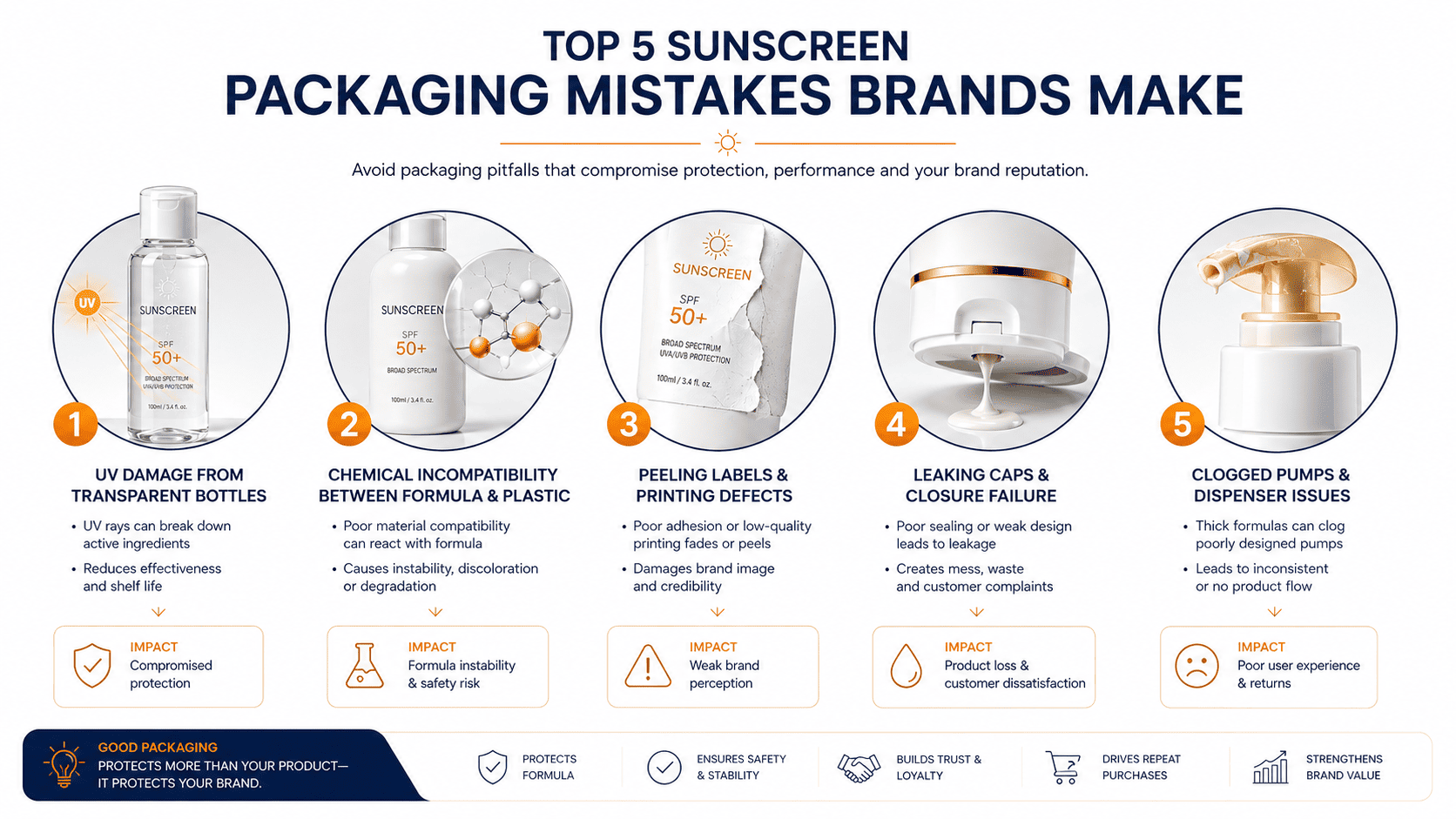
A brand doesn't just fail; it dies from a thousand cuts, and bad packaging can inflict many of them. I can't name names, but I can tell you stories I've seen from the factory floor. There was the trendy brand that chose a cheap pump mechanism for their luxury face sunscreen. It clogged after a few uses. Online reviews were brutal, and the product was discontinued in six months. Another company tried to use a standard plastic for a sport stick that had a high oil content. The oils reacted with the plastic, making it brittle. The sticks started cracking in transit. The financial loss from returns and reputational damage was huge. These aren't just "mistakes." They are business-ending failures that start with a poor packaging decision. As a procurement director like Shubihika knows, consistent, defect-free manufacturing isn't a "nice-to-have," it's the foundation of a sustainable business.
What Are the Most Common Sunscreen Packaging Mistakes?
You know you need to avoid mistakes, but you're not sure what they all are. You need a clear, practical list of pitfalls to watch out for when sourcing your packaging.
The most common mistakes are: using clear bottles that don't block UV, choosing incompatible plastic-formula combinations, poor quality printing, weak cap seals that leak, and bad dispenser ergonomics that frustrate users.
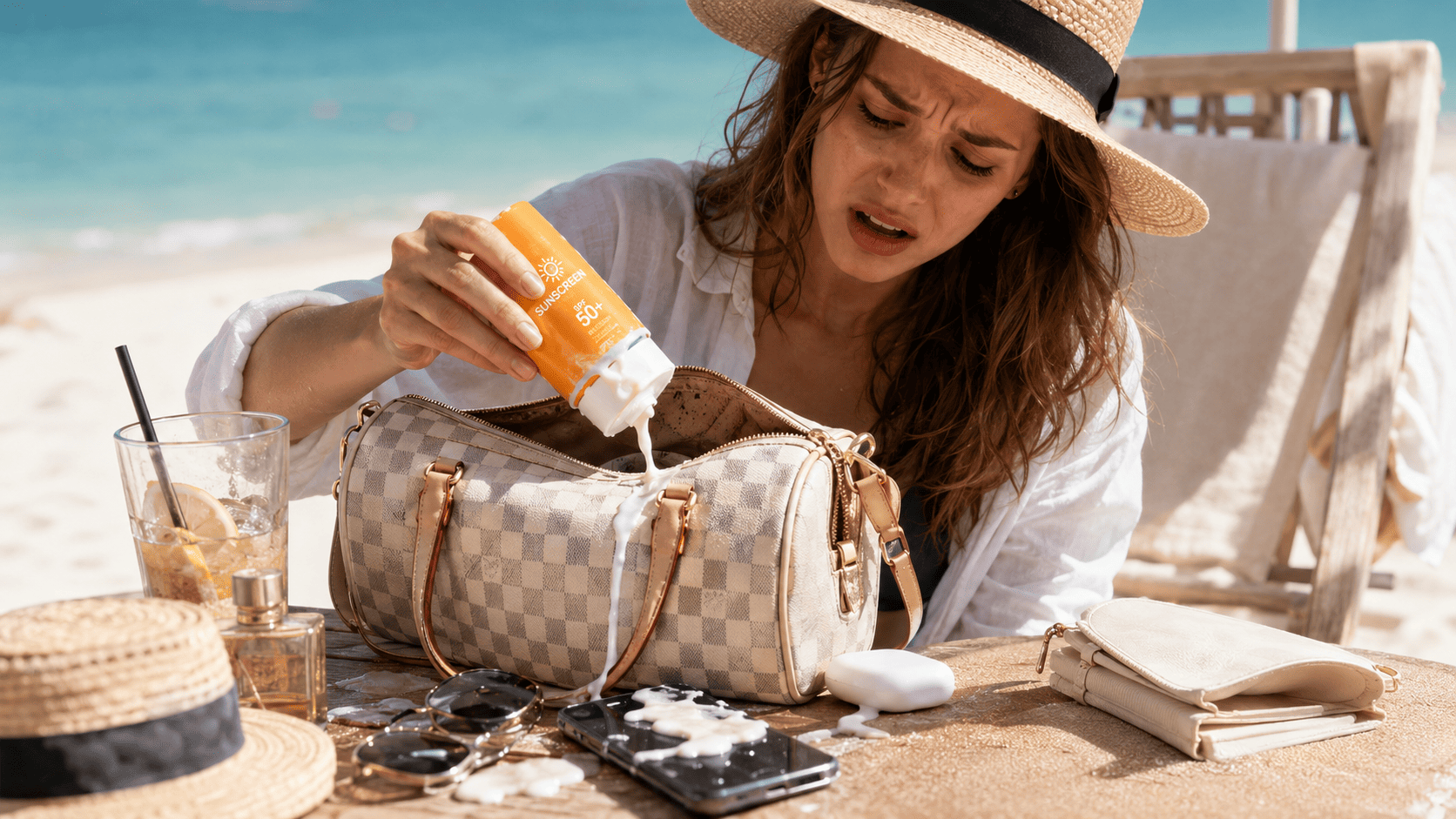
Let's break down the most common errors I see brands make. This is the checklist I wish every new client had before they came to me.
Top Packaging Mistakes Checklist
| Mistake Category | The Specific Error | Why It's a Disaster |
|---|---|---|
| 1. Light Protection | Using a transparent or translucent bottle. | UV light degrades active SPF ingredients, making the product ineffective and unsafe. |
| 2. Material Choice | The plastic is not chemically compatible with the formula. | The formula can separate, or the plastic can become brittle and crack, causing leaks. |
| 3. Printing & Labeling | The print is low-resolution, smudges, or peels off. | It makes the brand look cheap, untrustworthy, and unprofessional. |
| 4. Sealing & Closure | The cap doesn't screw on tightly or the seal is weak. | The product leaks during shipping or in a customer's bag, creating a mess and waste. |
| 5. Dispensing | The pump clogs, the sprayer sputters, or the tube is too stiff. | It creates a frustrating user experience, leading to bad reviews and no repeat purchases. |
My factory in Shantou is equipped to prevent every one of these mistakes. We use high-precision injection molding for perfect seals and our automated silk printing machines ensure your branding is flawless and durable. We solve these problems before they ever start.
What Packaging Do the Top Sunscreen Brands Use?
You want to know what the winners are doing. You search for "top 3 sunscreens" to see what packaging formats are most successful so you can learn from them and compete effectively.
Top brands don't use just one type of packaging. They strategically use three main formats: the classic squeeze tube for value and family, the premium pump bottle for facial care, and the convenient stick for on-the-go application.
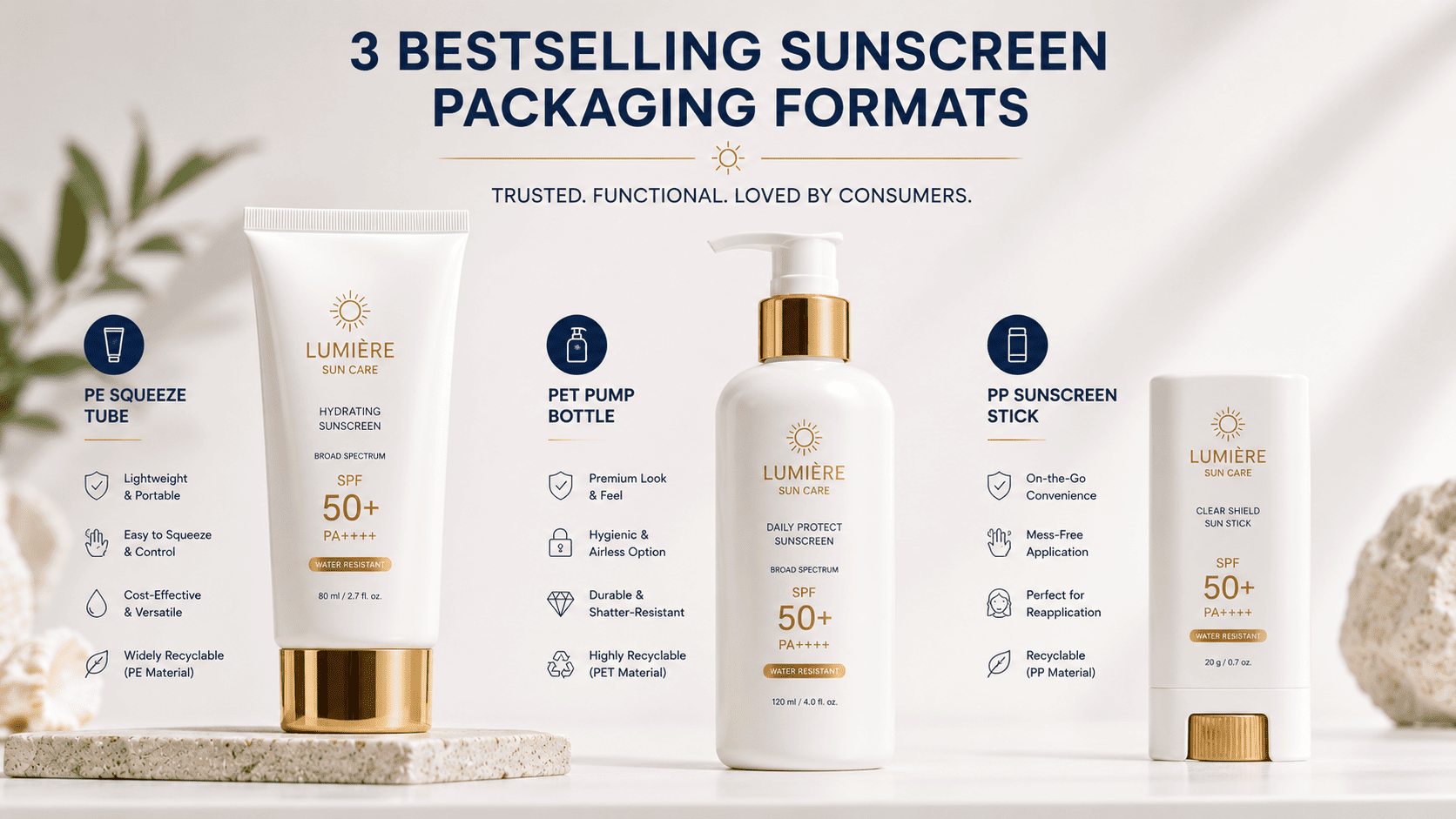
When you look at the "top" sunscreens, you're really seeing these three packaging archetypes dominate the market for different reasons. Successful brands understand it's not about finding one "best" package, but about matching the right package to the right product, customer, and use case.
-
The Classic Squeeze Tube (PE Plastic): This is the workhorse of the industry. It's cost-effective to produce, durable, and perfect for body and family-sized sunscreens. The flexible PE material allows users to squeeze out every last drop. It’s the symbol of a reliable, no-fuss product.
-
The Premium Pump Bottle (PET/Airless): This is for facial sunscreens and luxury lines. The pump provides a controlled, hygienic dose. Using heavier PET plastic gives it a glass-like, premium feel. An airless pump system offers the ultimate protection for sensitive, high-tech formulas.
-
The Convenient Stick (PP Plastic): This is the fastest-growing format. It's perfect for targeted application (face, ears) and is incredibly portable and travel-friendly. The solid formula and robust PP housing make it leak-proof and ideal for athletes and kids.
The real "top" brands often have a product in each of these formats, covering the entire market.
Conclusion
Avoid costly failures by focusing on the fundamentals. Prioritize formula protection with opaque materials and ensure your printing is flawless. This foundation builds trust and lets your great product shine.
Written by

Mike Lee
You may also be interested in:
What Will Be the Most Popular Sunscreen Bottle Sizes in 2026?
You're planning your product line for the next two years, but you're stuck on a
What Makes a Good Sunscreen Packaging Design?
You've spent a fortune on a great formula, but now you need a package. You're
What Packaging Works Best for SPF Products?
You've perfected your SPF formula, a major investment. Now you face a critical choice: the
How Do You Test Sunscreen Packaging for Compatibility and Stability?
You've finally approved your perfect sunscreen formula. Now you need to package it, but a