Why Is Sunscreen Packaging More Challenging Than Skincare Packaging?
March 23, 2026 • Mike Lee
You have a great serum in a beautiful bottle and a moisturizer in a premium jar. You think you can just apply the same packaging strategy to your new sunscreen line, right? This assumption can lead to disastrous failures.
Sunscreen packaging is more challenging because the formula is chemically unstable and it's used in extreme environments. It requires superior UV protection, leak-proof seals for pressure changes, and materials that won't react with volatile active ingredients.
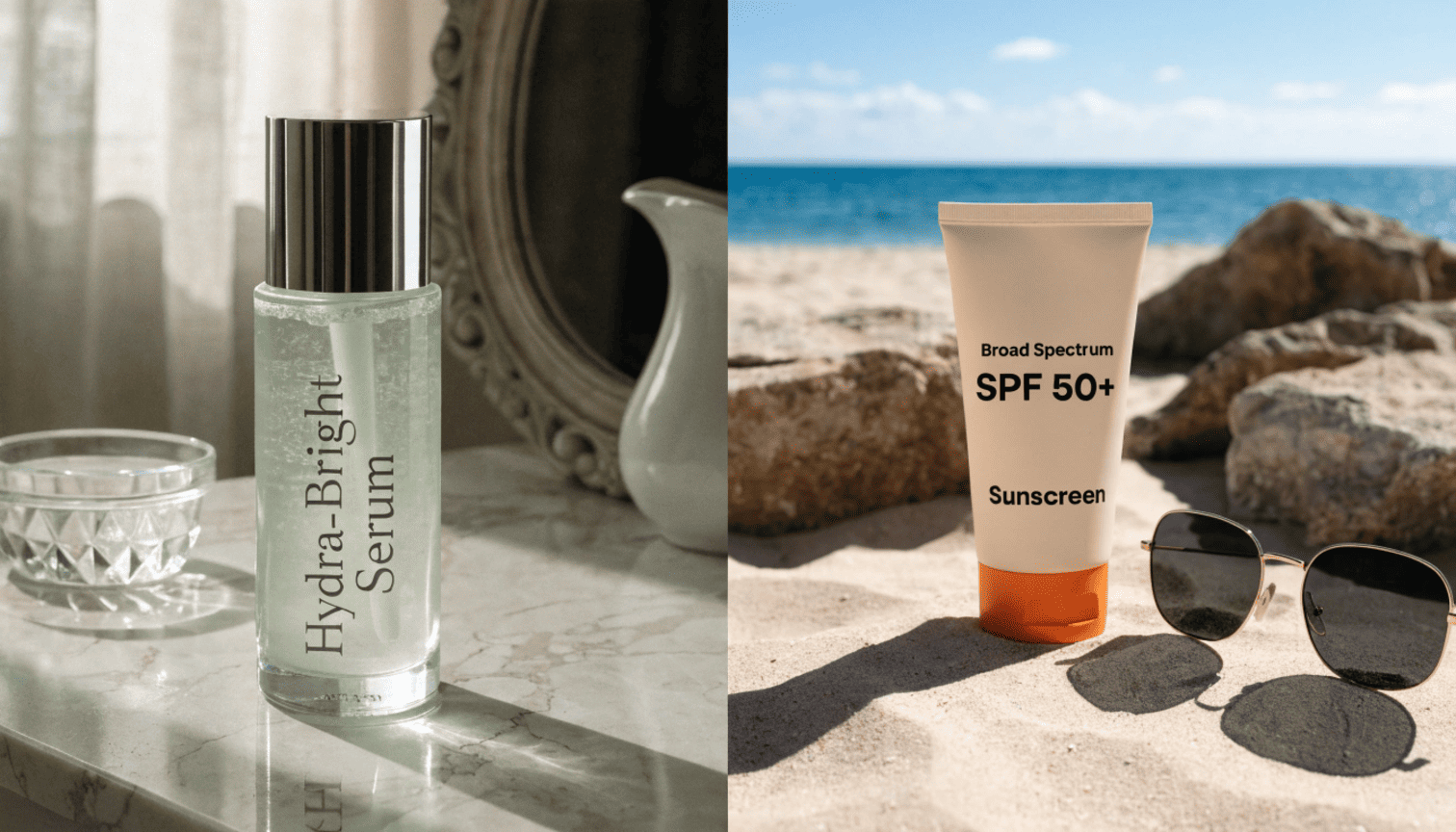
A few years ago, a brand I admire for its beautiful minimalist skincare line decided to launch an SPF 30 serum. Naturally, they wanted to use their signature glass dropper bottle. It looked stunning. We advised them against it, but they were committed to their brand aesthetic. Six months after launch, the complaints rolled in. The serum was turning yellow in the bottle, and customers said the formula felt "off" after just a few weeks. They learned a tough lesson: sunscreen isn't just another skincare product. Its packaging isn't just about branding; it's a critical piece of safety equipment.
Why Is Packaging So Important for Skincare Brands Anyway?
You might see packaging as just a container, a necessary cost to get your product to the customer. You're focused on the formula, but you're worried about overlooking the bottle it comes in.
Packaging is your silent salesman and guardian. It protects the formula's integrity, delivers the product effectively, and communicates your brand's promise and value before the customer even tries what's inside.
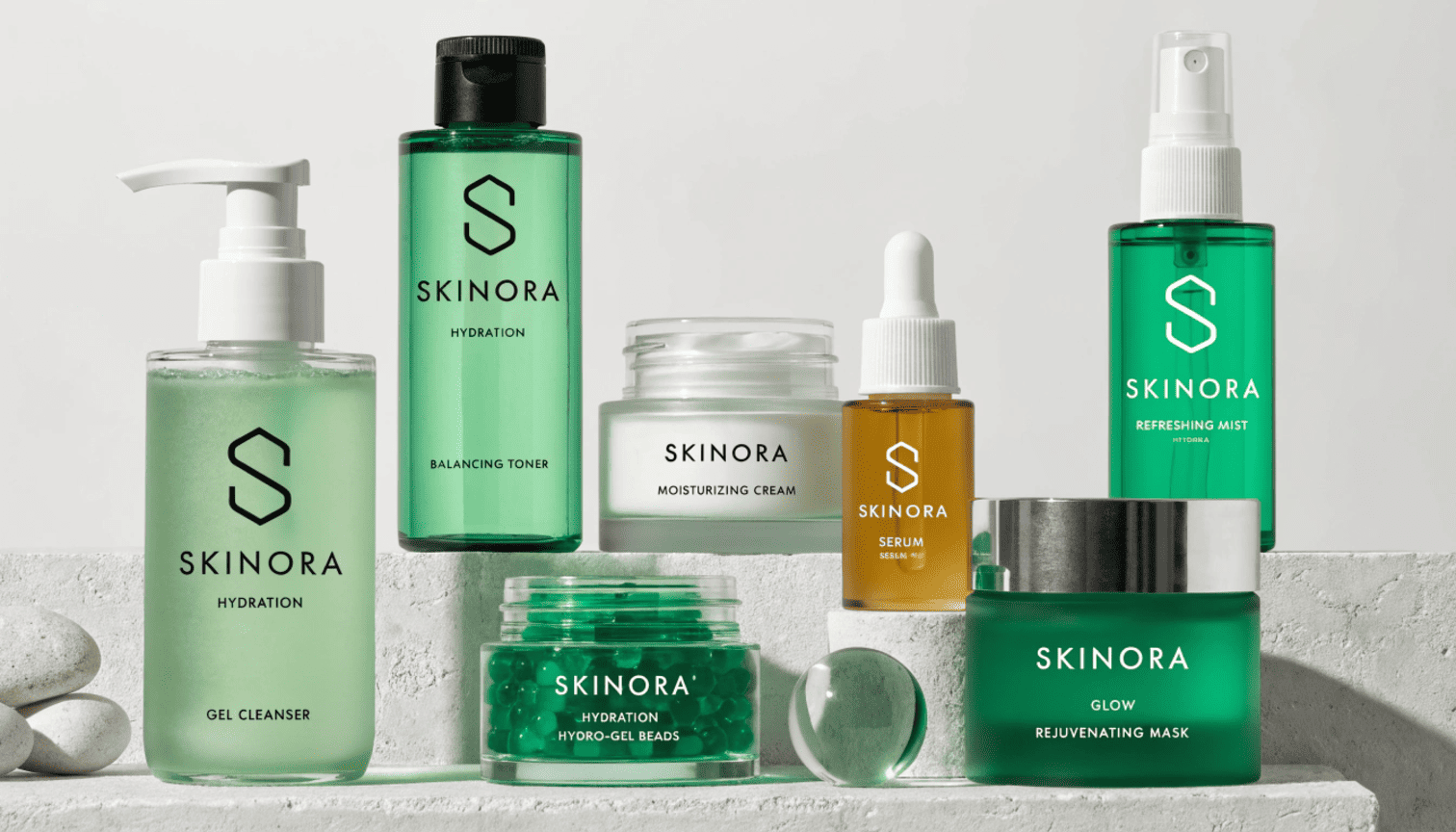
For any cosmetic product, the package has three essential jobs. First, it's a protector. It must shield the formula from air, light, and contamination that can make it less effective or even unsafe. Second, it's a performer. The pump, sprayer, or jar must dispense the product in a way that feels good and works every single time. A pump that clogs or a cap that's hard to open creates a frustrating experience. Third, it's a promise. The weight of the glass, the soft-touch finish of a tube, or the sharp click of a cap all communicate a message about your brand's quality and attention to detail. For a standard moisturizer or cleanser, getting these three things right is the definition of success. But for sunscreen, this is just the starting point.
The Three Core Jobs of Skincare Packaging
| Job | Function | Customer Impact |
|---|---|---|
| Protection | Shields formula from air and light. | Ensures product is safe and effective. |
| Performance | Dispenses product reliably. | Creates a positive, frustration-free user experience. |
| Promise | Conveys brand quality through design. | Builds brand trust and justifies price point. |
So, Is Sunscreen Just the Last Step in Skincare?
You see sunscreen merchandised next to moisturizers and serums. It’s part of a daily routine, so it’s easy to think of it as just another skincare product that goes on at the end.
While it's applied to the skin, in packaging terms, you should treat sunscreen as an unstable, high-performance product designed for harsh conditions. Thinking of it as "just skincare" will lead to packaging failures.

This is the most critical mindset shift. A typical serum is used indoors, in a temperature-controlled bathroom. It lives a quiet, protected life. Sunscreen does not. Its entire purpose is to be the barrier between a person and the most damaging element in our daily lives: UV radiation. It gets thrown in a hot car, tossed in a sandy beach bag, and squashed at the bottom of a backpack. My insight from years of working with global brands is that the biggest challenge is the formula's instability. The chemical UV filters in many sunscreens can literally change and degrade with sun exposure. This is why you can't put them in a clear bottle. The formula is also sensitive to pressure and heat, which makes it much more likely to leak. You have to design the packaging to survive the life the product will actually lead, not the life of a gentle moisturizer.
Why Are Nanoparticles in Sunscreen a Packaging Concern?
You hear about nanoparticles in mineral sunscreens, like zinc oxide or titanium dioxide. You're focused on the health debates, but you haven't considered how they might affect your packaging choice.
Nanoparticles create a major challenge for pump and sprayer mechanisms. The tiny-but-hard mineral particles are abrasive and can easily clog the fine channels of a standard pump engine, leading to spray failure over time.
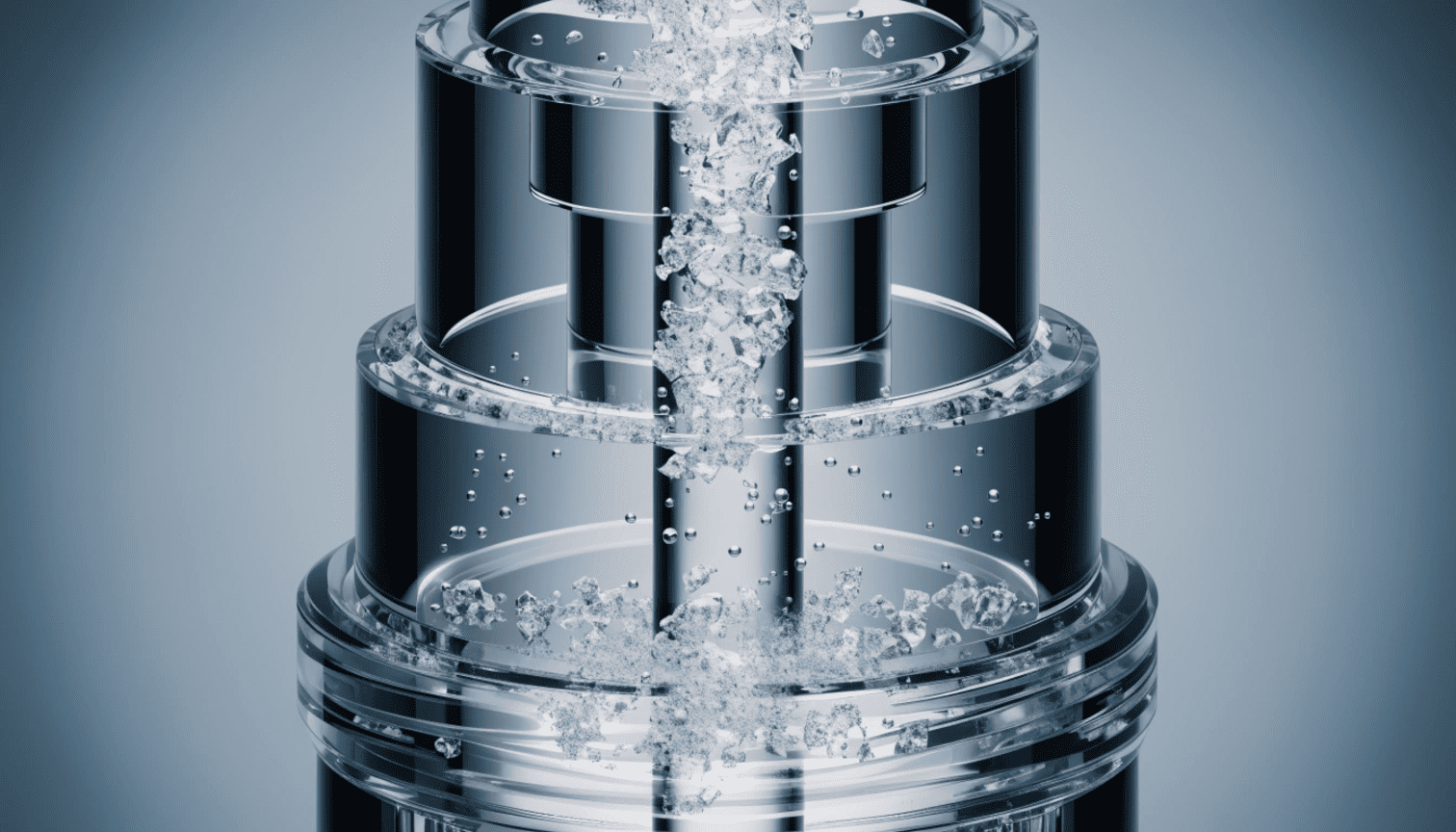
This is a highly technical problem that ruins customer experience. When a brand wants to launch a mineral sunscreen spray, my first question is about the pump. A standard fine-mist sprayer, the kind you'd use for a facial toner, will fail. The nanoparticles in the sunscreen formula act like fine sand. With every pump, they can cause microscopic abrasion inside the pump engine and slowly build up in the narrow channels and the nozzle orifice. The result? The pump gets stiff, the spray becomes a "jet" instead of a mist, and eventually, it clogs completely. To solve this, we have to use specialized pumps designed for higher viscosity and particulate-heavy formulas. These pumps have slightly wider internal channels, stronger springs, and nozzle designs that are more resistant to clogging. It's a perfect example of how the formula's composition directly dictates a very specific, non-negotiable packaging requirement.
Conclusion
Sunscreen packaging is not just a container; it's an integrated technical system designed to protect an unstable formula in extreme conditions. Approaching it with this mindset is the first step to a successful and resilient product launch.
Written by

Mike Lee
You may also be interested in:
How Can You Prevent the Top 5 Sunscreen Packaging Failures?
Your sunscreen launch is at risk from hidden packaging flaws. These issues often appear post-launch,
How Do You Choose the Right Spray Output (0.12/0.18/0.25ml) for Your Product?
You're looking at supplier options and see a list of numbers: 0.12ml, 0.18ml, 0.25ml. You
What's the Best 50ml Fine Mist Spray Bottle for a Facial Mist?
Your facial mist formula is perfect, but the wrong spray bottle can deliver a harsh,
Why Do Some Spray Bottles Smell Like Plastic: A Material & Quality Guide?
You just received a shipment of spray bottles for your new product, but when you