
What's the Best 50ml Fine Mist Spray Bottle for a Facial Mist?
March 11, 2026 • Mike Lee
Your facial mist formula is perfect, but the wrong spray bottle can deliver a harsh, wet squirt instead of a gentle cloud, cheapening the entire experience for your customer.
The best 50ml fine mist spray bottle combines a travel-friendly size with a high-quality sprayer pump. Look for a pump with a low dosage output (around 0.12ml) and a fine-threaded nozzle to create a delicate, even mist that feels luxurious on the skin.
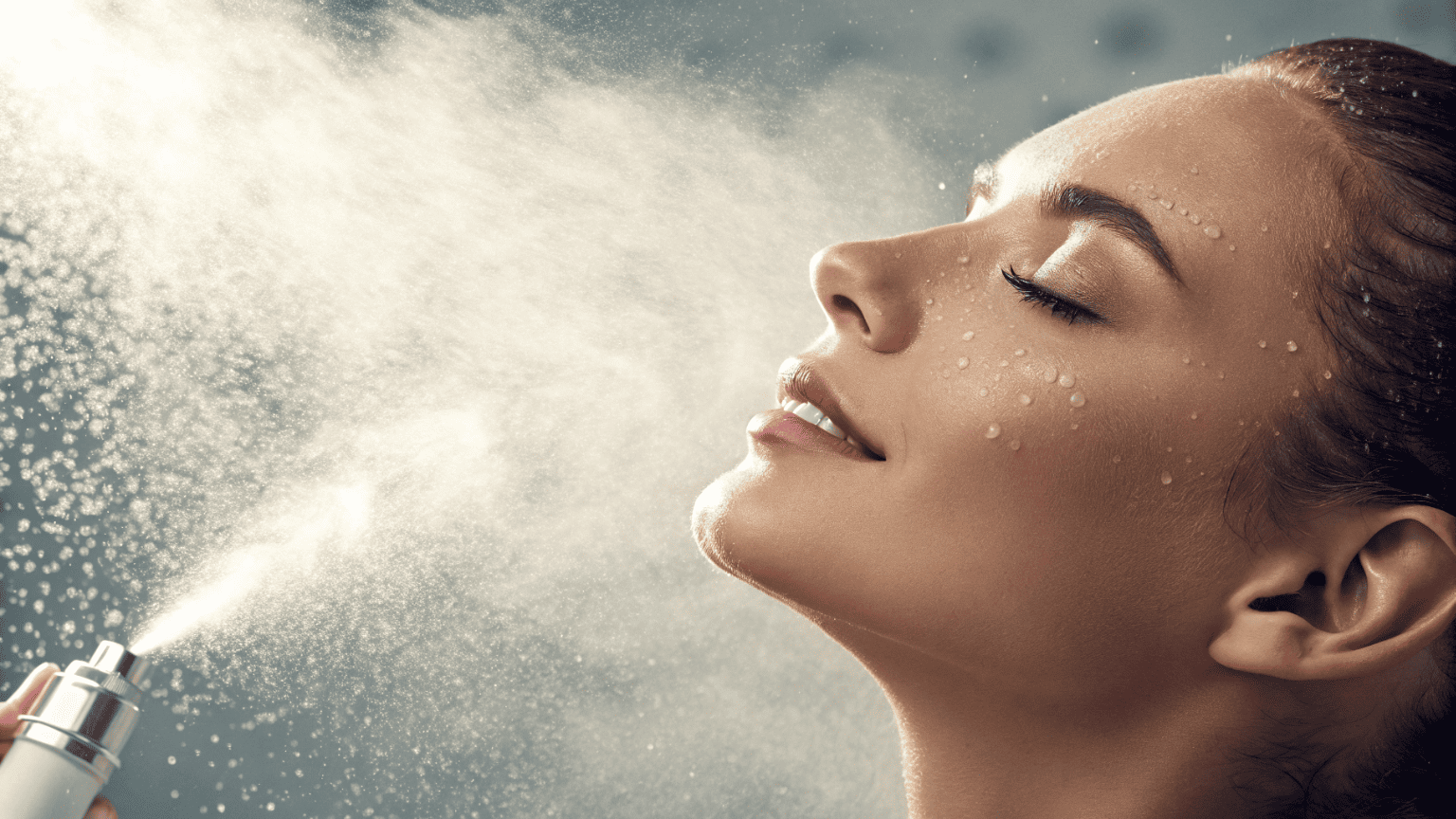
I remember working with a brand that had developed a beautiful rosewater mist. They spent a fortune on a custom-colored, heavy-walled PET bottle that looked stunning. But they chose a standard, low-cost sprayer pump to save a few cents per unit. The feedback was brutal. Customers complained the spray was "like a water gun," leaving big, wet blotches on their faces. They had created a premium product in cheap-feeling packaging. We quickly swapped their sprayer for a true fine mist pump, and the complaints vanished. That lesson was powerful: for a facial mist, the pump is the experience.
What Size Spray Bottle Is Best for a Face Mist?
You're trying to decide on the perfect bottle size for your new facial mist. You see options from 30ml to 200ml and you're not sure which one best fits your customer's needs.
A 50ml (or 1.7oz) bottle is the ideal size for a facial mist. It's small enough to be travel-friendly and fit in a purse, yet it holds enough product for several weeks of regular use, offering a great balance of convenience and value.
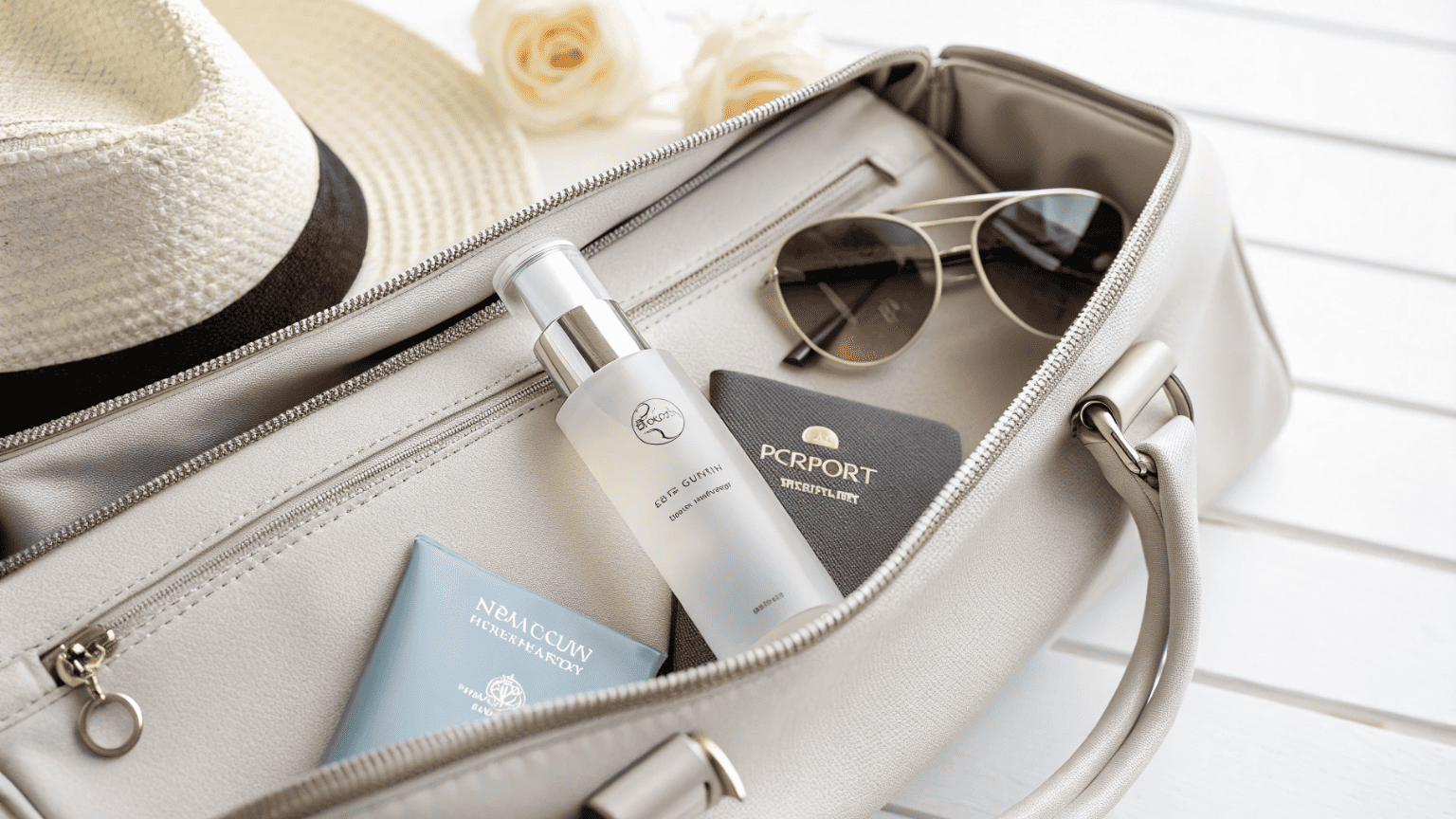
The choice of 50ml is a strategic one rooted in how people use facial mists. As your insight rightly points out, you only need a small amount per application. The goal is a gentle refresh, not a drenching. A larger bottle, like 150ml or 200ml, is better suited for the bathroom shelf, perhaps for a body mist or toner. A facial mist, however, is an on-the-go product. Customers carry it in their purse, take it to the gym, or keep it on their desk for a midday pick-me-up. The 50ml size is perfectly aligned with this lifestyle. It’s also under the 100ml (3.4oz) limit for carry-on liquids, making it a perfect travel companion. From a brand perspective, the 50ml size allows for a more accessible price point, encouraging first-time purchases. It provides just enough product for the customer to fall in love with the formula and come back for more, making it the perfect size for both customer convenience and business growth.
Comparing Common Mist Bottle Sizes
| Size | Primary Use Case | Pros | Cons |
|---|---|---|---|
| 30ml (1oz) | Sample, Travel-Size | Very portable, low price point | Runs out quickly |
| 50ml (1.7oz) | Daily Use, On-the-Go | Perfect balance of portability and volume | None for this application |
| 100ml (3.4oz) | At-Home Use, Value Size | Lasts longer, better value per ml | Not as portable |
| 150ml+ (5oz+) | Body Mist, Professional Use | Very economical | Too bulky for personal use |
How Do I Choose the Right Mist Sprayer?
You know you need a "fine mist," but you see dozens of sprayer options. They all look similar, so how do you choose the one that delivers that soft, cloud-like spray your customers expect?
Focus on the pump's dosage and nozzle design. The best fine mist sprayers have a low dosage output (0.12ml-0.14ml per pump) and an engine designed to properly atomize the liquid, creating a wide, gentle spray pattern rather than a direct jet.

This is the most critical technical decision you will make. The magic of a fine mist happens inside the pump engine. First, let's talk about dosage. A standard lotion pump might dispense 1-2ml of product. A cheap sprayer might squirt out 0.5ml. For a facial mist, that’s far too much liquid. You need a low dosage, typically around 0.12ml. This ensures a light application that doesn't mess up makeup or feel overly wet. Second, look at the spray pattern. A high-quality pump atomizes the liquid into micro-droplets and distributes them over a wide, conical area. A poor-quality pump can't handle this, so it pushes out a narrow, wet stream. When we provide samples to clients like Shubihika, we always encourage them to test the sprayer with their actual formula. Different liquid viscosities can affect the spray pattern, so testing is key. Always ask your supplier for the technical specs of the sprayer pump, not just the bottle.
What Material Is Best for Spray Bottles?
You see bottles made of PET, PP, and glass. You need a material that is safe for your formula, durable for on-the-go use, and presents your brand in a premium light.
PET (Polyethylene Terephthalate) is the best all-around material for facial mist bottles. It offers glass-like clarity to showcase your product, is lightweight and shatterproof for portability, and has excellent chemical compatibility with most water-based cosmetic formulas.
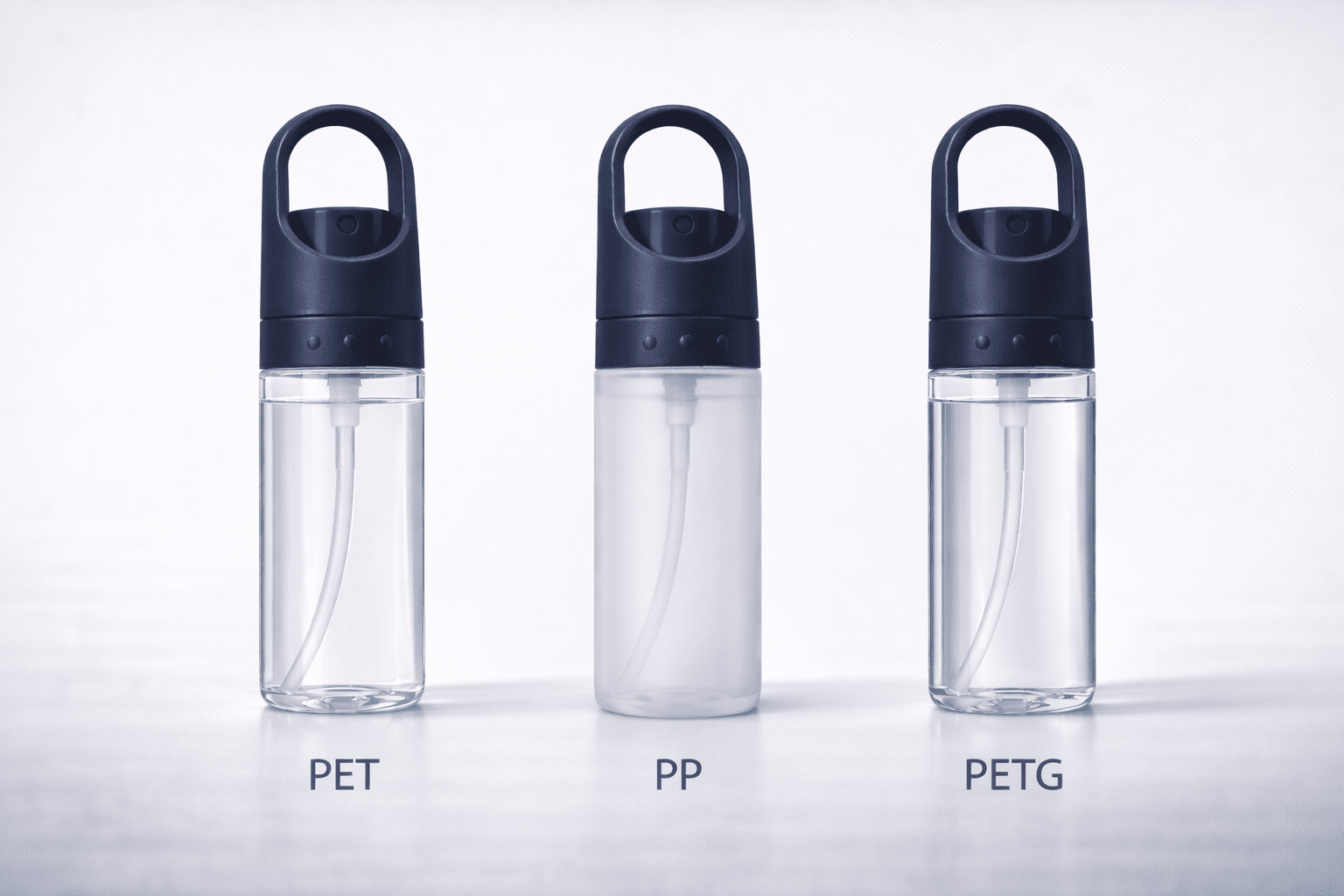
Let's break down the common material choices. Glass feels premium and is infinitely recyclable, but it's heavy and can shatter, which is a major drawback for a product that will be carried in a bag. PP (Polypropylene) is very durable and has great chemical resistance, but it's naturally translucent or opaque, so you can't see the beautiful, clear liquid inside. This brings us to PET. PET has become the industry standard for products like facial mists for good reason. It gives you the crystal-clear, premium look of glass without the weight or fragility. It's also highly recyclable (look for the #1 symbol). For a brand owner, PET offers incredible design flexibility. We can produce it in any custom color, from fully transparent to a subtle, tinted hue that protects the formula from light while still allowing the customer to see how much product is left. This combination of safety, aesthetics, and practicality makes PET the ideal choice for a 50ml fine mist spray bottle.
Conclusion
The best 50ml spray bottle for your facial mist combines a portable, durable PET bottle with a high-performance fine mist pump. This pairing creates the luxurious, refreshing experience that will earn customer loyalty.
Written by

Mike Lee
You may also be interested in:
Why Is Sunscreen Packaging More Challenging Than Skincare Packaging?
You have a great serum in a beautiful bottle and a moisturizer in a premium
How Can You Prevent the Top 5 Sunscreen Packaging Failures?
Your sunscreen launch is at risk from hidden packaging flaws. These issues often appear post-launch,
How Do You Choose the Right Spray Output (0.12/0.18/0.25ml) for Your Product?
You're looking at supplier options and see a list of numbers: 0.12ml, 0.18ml, 0.25ml. You
Why Do Some Spray Bottles Smell Like Plastic: A Material & Quality Guide?
You just received a shipment of spray bottles for your new product, but when you
