
What Are the Biggest Challenges in Sunscreen Packaging Manufacturing?
March 19, 2026 • Mike Lee
You have a fantastic sunscreen formula ready to go, but you're hearing horror stories about overseas manufacturing. You're worried that production delays, poor quality, and shipping disasters will turn your exciting launch into a costly nightmare.
The biggest challenge is factory reliability. Issues like inconsistent quality between samples and bulk orders, severe delivery delays, and poor quality control are the primary obstacles, followed by shipping damage and complex international customs clearance.

Over the nine years I've been in this business, I've spoken with hundreds of clients, from startups to established brands. Their biggest fear isn't the cost of the packaging itself. It's the cost of failure. I had a client in the U.S. who was launching a new SPF 50 stick. The first factory they worked with sent them a perfect, beautiful sample. But the bulk production order arrived three months late, and nearly 20% of the tubes had printing that was smeared and off-center. They missed their entire summer sales window. That experience is why, for me, the conversation always starts with reliability, not just price.
Why Do Sunscreen Samples Look Perfect But Bulk Orders Fail?
You approved a gorgeous sample tube that felt premium and worked perfectly. Now, the mass production order has arrived, and the quality is completely different. The colors are off, the caps don't fit right, and you feel betrayed.
This is the classic "golden sample" problem. Some factories create perfect samples using slow, manual processes, but their chaotic mass-production lines lack the quality control systems to replicate that quality at scale. The key is consistent process control.
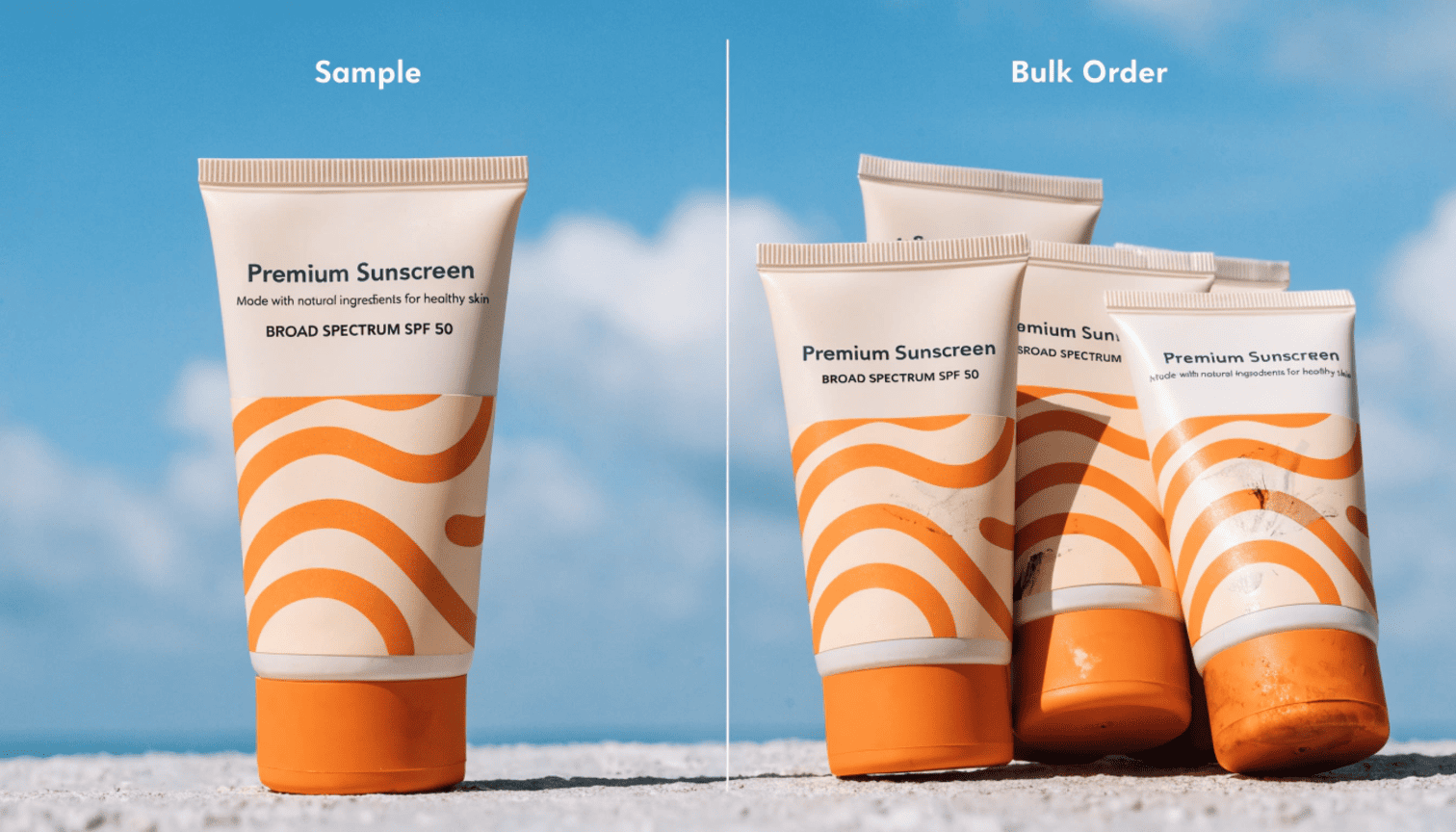
This is, without a doubt, the number one challenge I hear from clients who have been burned before. A factory's sales team is trained to win your business with a perfect prototype. But that sample might not have even come off their real production line. The true test of a manufacturer is their quality management system, like an ISO 9001 certification. A reliable factory has checkpoints at every stage: they inspect incoming raw materials, they do in-process checks on the production line every hour, and they have a final inspection team that follows a strict protocol before anything is packed. For example, when we work with a brand like RAS BEAUTY, we establish clear quality standards upfront. They know our production process is monitored from start to finish, so the 100,000th tube looks and performs exactly like the first sample they approved. Without this system, you're just gambling.
The Three Faces of an Unreliable Factory
| The Problem | The Symptom | The Real Cost |
|---|---|---|
| Inconsistent Quality | Bulk order doesn't match the approved sample. | Damaged brand reputation; unusable inventory. |
| Severe Delays | Production takes 3 months instead of 30 days. | Missed retail deadlines and seasonal sales windows. |
| Poor QC | High defect rates (leaks, bad printing). | Customer complaints, returns, and lost trust. |
Could Bad Packaging Lead to a Product Recall?
You read headlines about major brands having to recall sunscreens due to contamination issues. You worry if your packaging choice could expose your brand to similar risks, either through chemical leaching or compromised product integrity.
Absolutely. Packaging is your product's first line of defense. A poor-quality tube or bottle can fail to protect the formula from contamination, or the material itself could interact with the formula, leading to safety issues and a potential recall.

The sunscreen recalls of recent years, like those involving benzene contamination, have made everyone hyper-aware of safety. While the source of that contamination was often the raw ingredients, packaging plays a huge role in preventing other issues. Let's consider two scenarios. First, material compatibility. Sunscreen formulas contain complex active ingredients. If you use a cheap, untested plastic, chemicals from the plastic could potentially leach into your product over time. A good manufacturer provides material safety data sheets (MSDS) and can confirm that their materials (like PET, PE, or PP) are safe for your specific formula. Second, barrier protection. The seal on your tube or bottle is critical. A faulty cap or a weak seal layer on a tube can allow air and bacteria to enter, degrading the SPF efficacy and potentially spoiling the product. This is why our process includes things like seal integrity tests and torque tests for caps. It’s not just about looking good; it's about ensuring the package keeps the product safe from the factory to the customer's hands.
What Are the Biggest Barriers to Using Sunscreen?
You created a product with a great feel and scent to encourage daily use. But what if the packaging itself creates a barrier, making it messy, difficult, or unpleasant for your customers to apply?
From a packaging perspective, the biggest barriers are poor dispensing and lack of portability. A pump that clogs, a cap that leaks in a bag, or a tube that's too bulky to carry are all problems that stop customers from using your product.
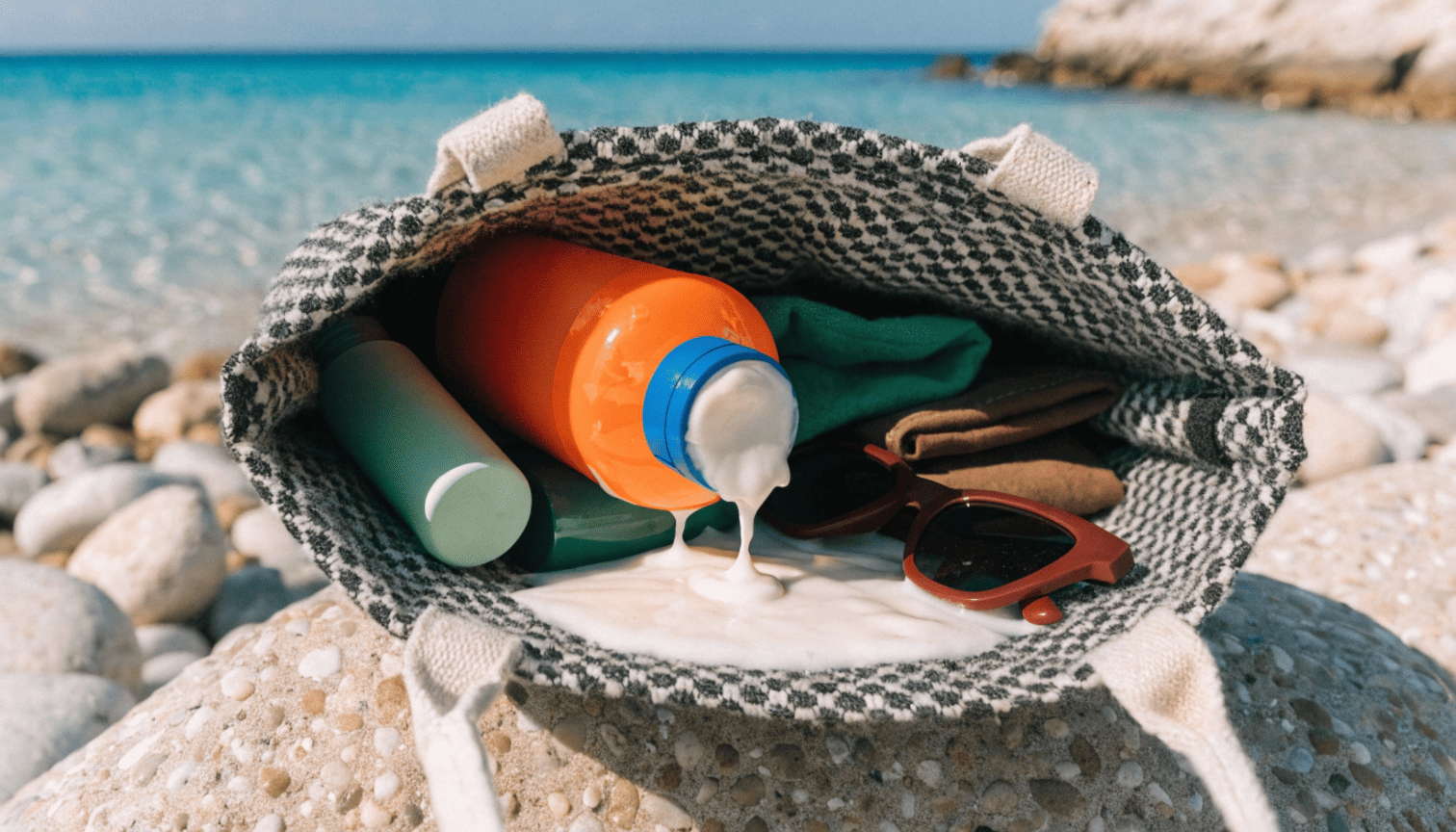
You've solved the formula problem—it's not greasy or chalky. Now, you must solve the user experience problem. Everything I've learned from my clients points to this: if the package is annoying, people won't use the product. Imagine a mother trying to apply sunscreen to a restless child. If the sprayer clogs or the tube dispenses a huge glob of lotion, it creates a moment of frustration. She's less likely to reach for that product again. Or think about the customer who wants to reapply sunscreen during the day. If your 150ml tube is too big for their purse, it gets left at home. This is where thoughtful package design comes in. We often advise clients to consider a "family" of sizes. Maybe a larger 200ml pump bottle for home and a sleek 50ml tube for on-the-go. We also stress-test our packaging—drop tests, leak tests, and usage tests—to ensure the cap stays on and the dispenser works reliably to the very last drop.
Conclusion
Overcoming sunscreen packaging challenges means choosing a reliable manufacturing partner who prioritizes quality control, transparent communication, and robust logistics support to protect your brand, budget, and launch timeline.
Written by

Mike Lee
You may also be interested in:

How Can You Reduce Packaging Costs Without Compromising Sunscreen Bottle Quality?
You're trying to grow your sunscreen brand, but rising packaging costs are eating into your

The Complete Importing Guide for Spray Bottles: How Can You Simplify the Process?
You worry about complex customs paperwork and your spray bottles arriving damaged. This uncertainty can
From Molding to Assembly: How Does RLAND Ensure Consistent Spray Quality?
You receive a new shipment of spray bottles, but find that some leak and others
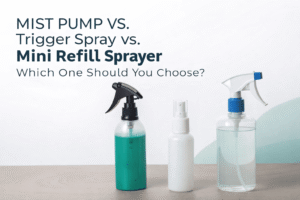
Mist Pump vs. Trigger Spray vs. Mini Refill Sprayer: Which One Should You Choose?
You're developing a new spray product, but you're stuck on the packaging. You see mist
