
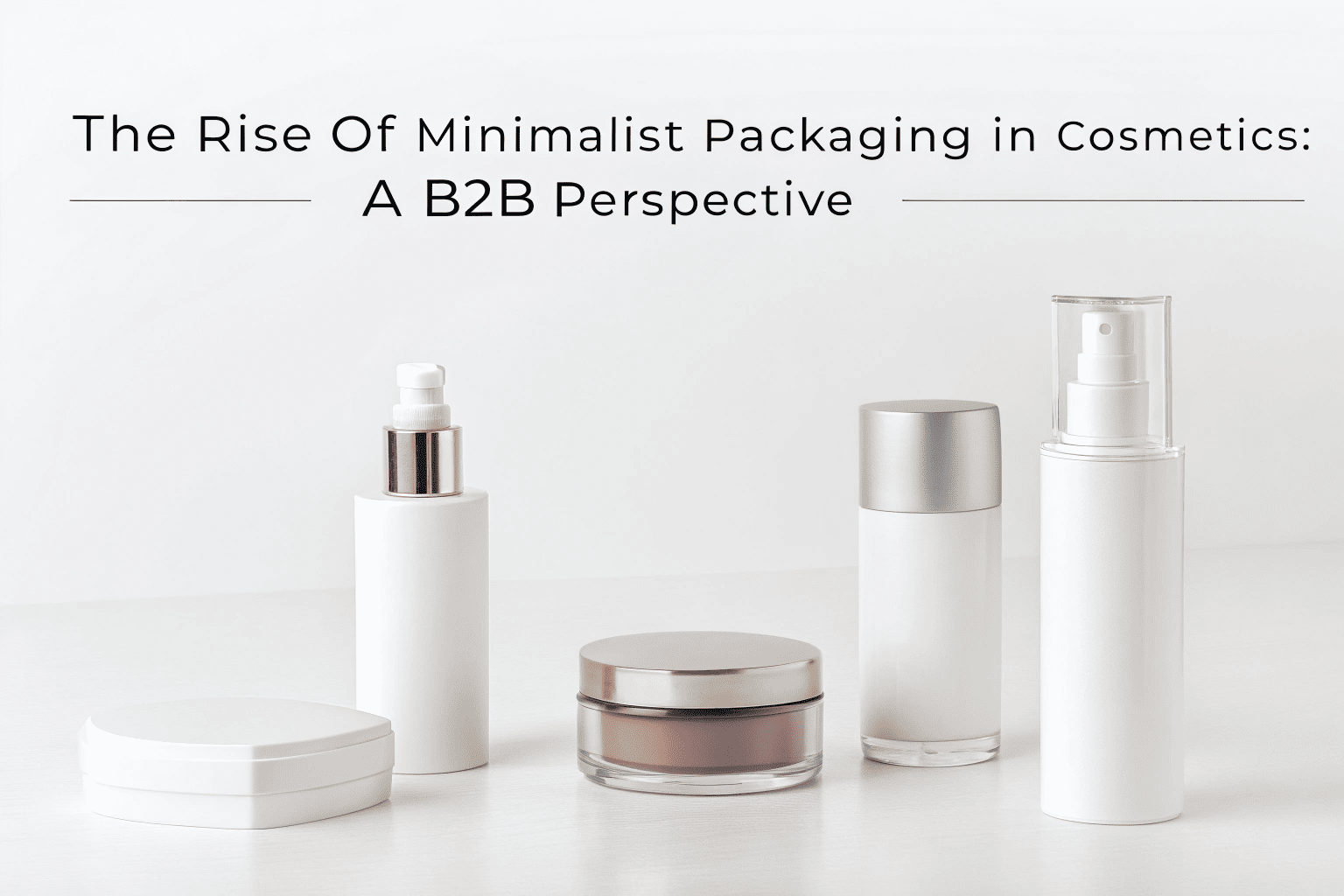
The Rise of Minimalist Packaging in Cosmetics: A B2B Perspective?
September 10, 2025 • Mike Lee
Your cosmetic packaging feels cluttered and expensive. You see sleek, simple designs taking over the market, and you worry that your brand looks wasteful, dated, and is getting lost in the noise.
Minimalist packaging uses essential elements and smart design to create a strong brand identity. It focuses on clean lines, honest materials, and often sustainability, which allows the product itself to be the hero, not the container.
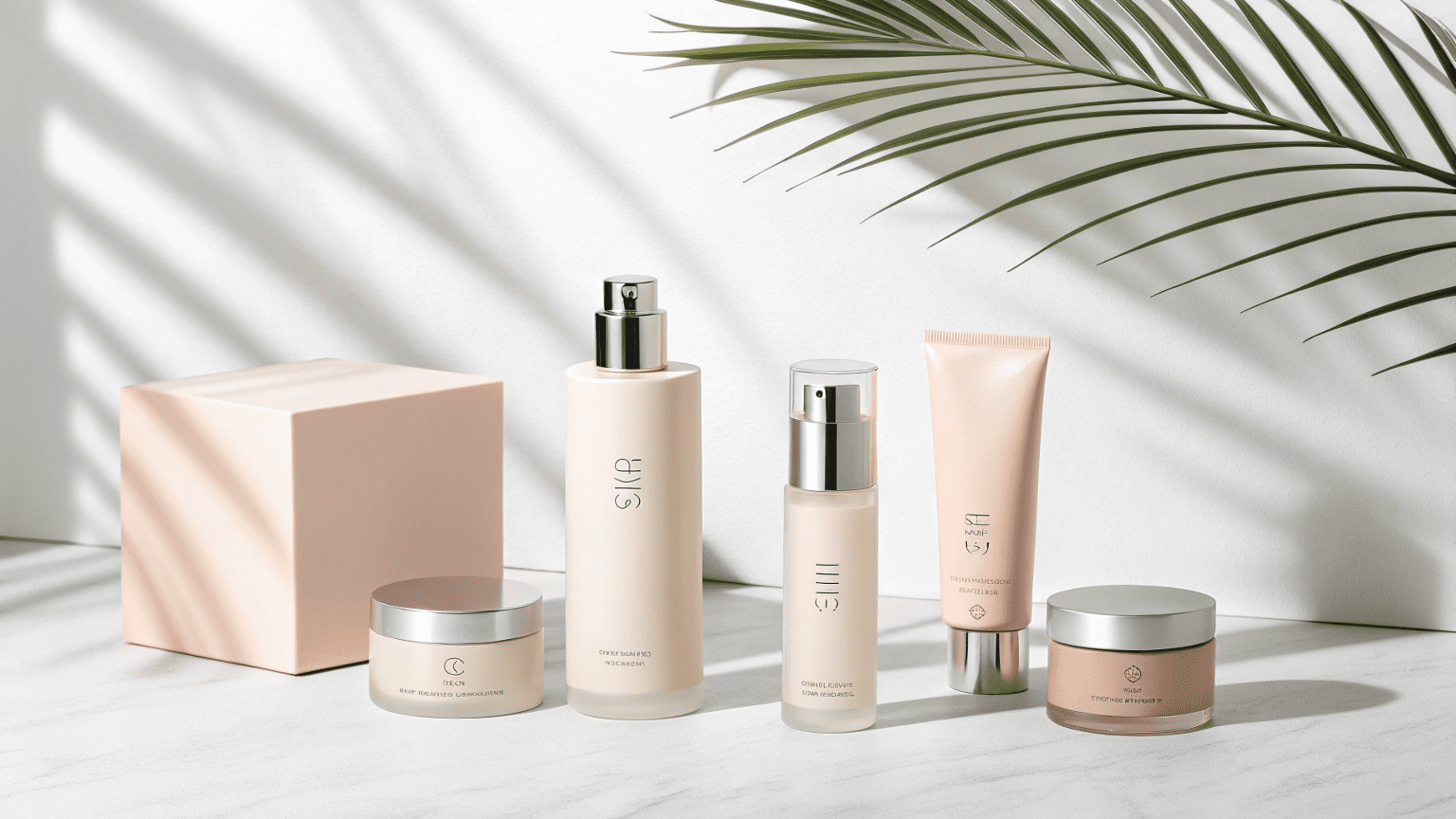
This isn't just about saving money or being trendy. As a ghost writer for Rland, I talk with brands about this shift every single day. Minimalism is a strategic choice. It's a way to communicate confidence in your product and connect with a modern consumer who values authenticity over excess. It's about saying more with less.
What is the minimal packaging trend?
You hear "minimalism," and you imagine a boring white bottle. You're concerned that stripping back your packaging will make your product invisible on the shelf and feel cheap instead of premium.
The minimal packaging trend is not about being boring; it's about being intentional. It prioritizes function, clean typography, and negative space to create a look that is sophisticated, confident, and clutter-free, letting the product quality speak for itself.
Minimalism is a powerful design philosophy that extends far beyond just using less ink. When we work with brands on this, we break it down into two distinct areas that work together to create a powerful finished product.
The Aesthetic of Simplicity
This is what most people think of first. It involves using a limited color palette, often just one or two colors. Typography becomes incredibly important; the font choice is a key part of the design. We see a focus on negative space, allowing the bottle and the product inside to breathe. This clean, uncluttered look conveys a sense of calm and confidence. It tells the customer, "Our product is so good, we don't need a loud, flashy box to sell it." It's a move away from shouting for attention and a move towards earning it with quiet elegance and good design.
The Reduction of Materials
This is the practical side of minimalism. It means getting rid of unnecessary components. Is an outer box really needed? Can we use a single-material bottle and cap to make recycling easier? This approach directly ties into sustainability. By choosing lighter materials or designing components to use less plastic, brands can reduce their carbon footprint and shipping costs. It’s a very attractive proposition for both eco-conscious consumers and the brand's bottom line.
What are the 7 R's of sustainable packaging?
You want to make your packaging more sustainable, but the term feels vague. You need a concrete framework to guide your decisions and to prove your commitment to your customers.
The 7 R's of sustainable packaging are a set of principles that guide environmentally conscious choices. They are: Reduce, Reuse, Recycle, Rethink, Refuse, Repair, and Rot. These provide a clear roadmap for creating less wasteful packaging.
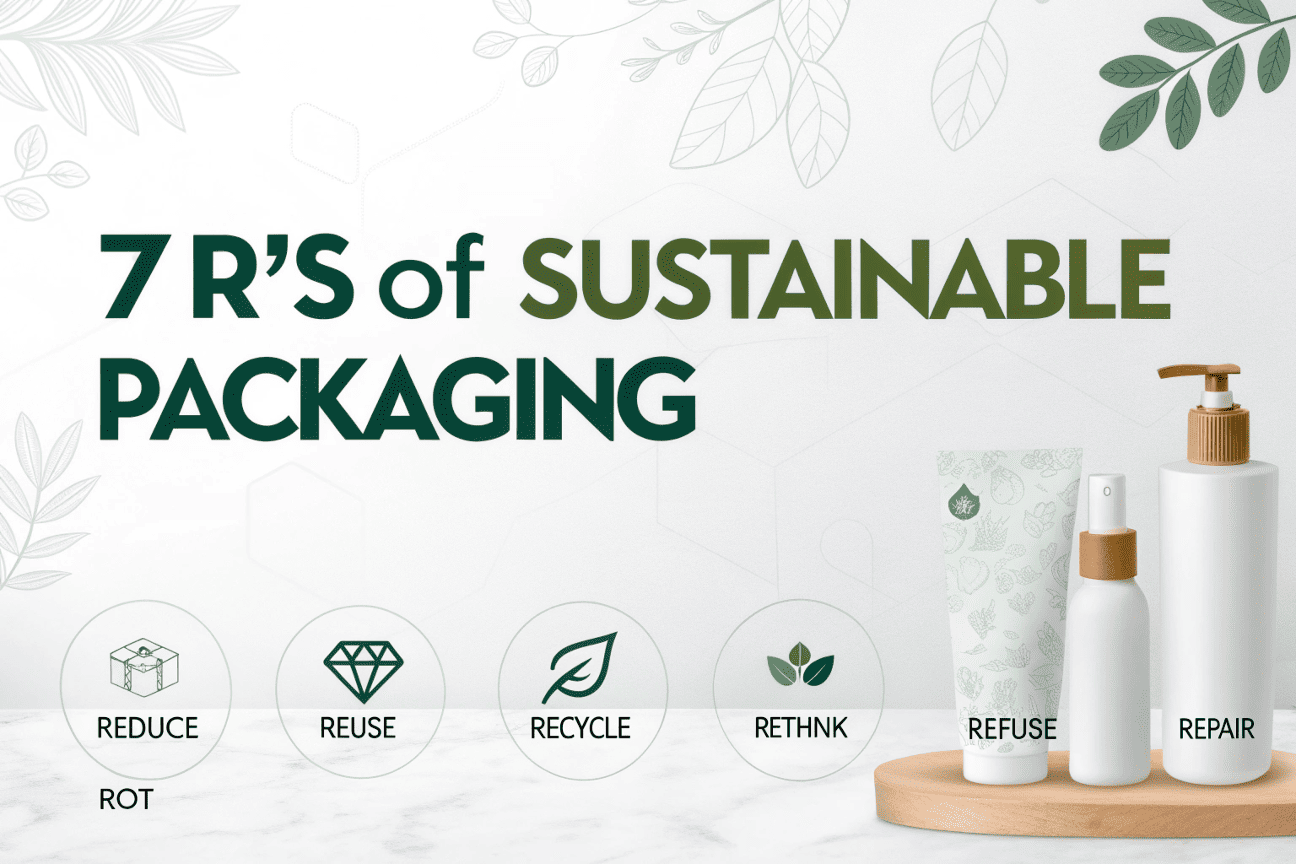
These principles offer a fantastic checklist for any brand. Instead of just vaguely trying to be "green," you can take specific, measurable actions. While all seven are important, in my experience with cosmetic manufacturing, some are more directly applicable than others. The minimalist trend is deeply connected to "Reduce" and "Rethink."
| R-Principle | Application in Cosmetic Packaging |
|---|---|
| Reduce | Using less material, designing lighter bottles, eliminating outer boxes. |
| Reuse | Creating refillable systems for products like lotions or foundations. |
| Recycle | Choosing mono-materials like PET or Glass that are widely recyclable. |
| Rethink | Questioning the need for a component. Can a pump be replaced with a simple cap? |
| Refuse | Rejecting unnecessary single-use samplers or secondary plastic wrapping. |
| Repair | Less common in packaging, but applies to high-end reusable applicators. |
| Rot | Using compostable materials like PLA, especially for single-use items. |
By thinking through this list, especially the first four, you can make smarter, more sustainable choices. For example, by "Rethinking" the need for a complex cap and "Reducing" it to a simple, single-material screw-top, you've made a decision that is both minimalist and more sustainable.
Why is packaging important in cosmetics?
Your product formula is amazing, but it's not selling. You're starting to realize that if your product looks like every other bottle on the shelf, no one will ever discover how great it is.
Packaging is the silent salesperson for your brand. It's the first physical interaction a customer has with your product. It must communicate your brand's identity, protect the formula, and stand out from the competition to earn the sale.
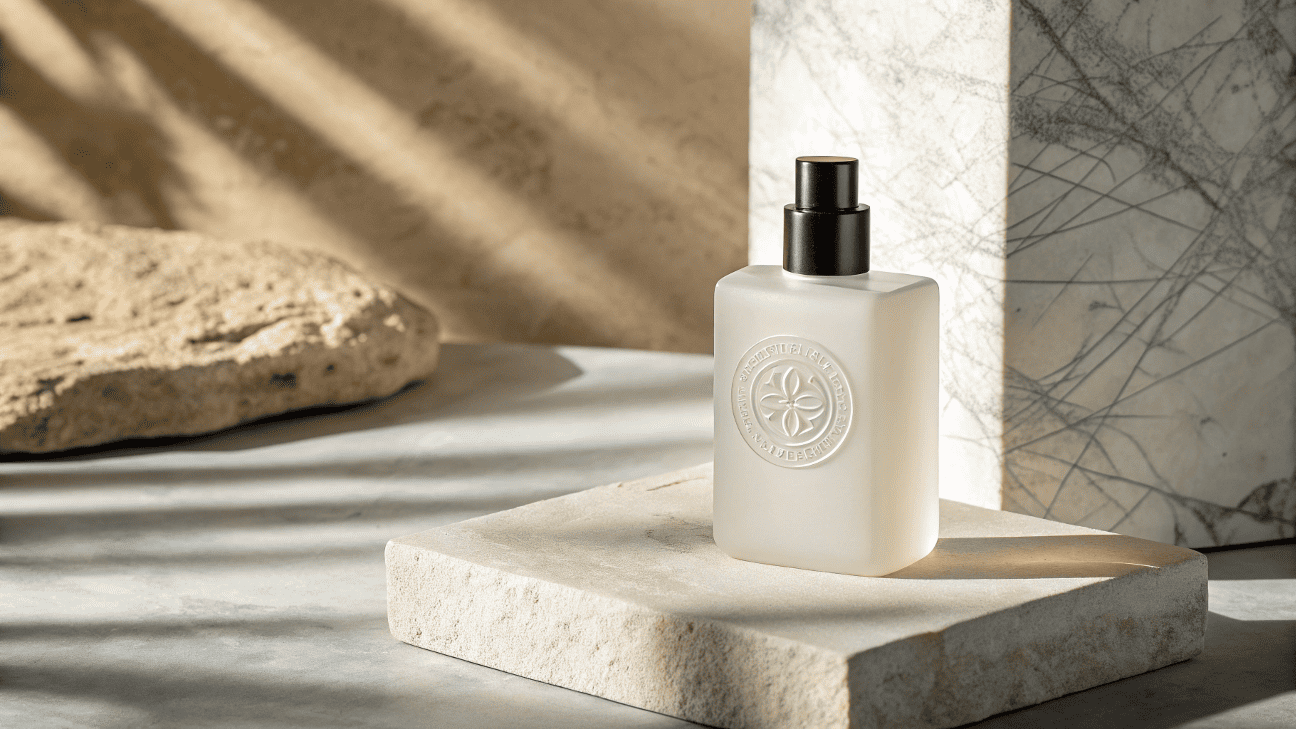
From my perspective, this is where minimalism becomes a powerful tool for differentiation. Your goal is to stand out, and you don't need a loud, complicated design to do it. Here is my core insight for brands, broken down by their size and volume.
The High-Volume Strategy: Your Own Mold
If you are an established brand planning a large production run, the best way to be unique is to invest in your own private mold. Many people think this is extremely expensive, but it's more accessible than you think. Creating a custom bottle shape, even a simple one, with your brand's logo embossed directly into the glass or plastic, is the ultimate form of differentiation. It makes your product instantly recognizable and impossible to copy. This minimalist approach—a unique shape as the primary design element—is incredibly powerful and builds long-term brand equity.
The Small-Batch Strategy: Smart Customization
For smaller startups or brands with lower volumes, a custom mold might not be practical yet. But you can still win with a "DIY" approach to minimalism. Start with a high-quality stock bottle. Then, focus on making small, unique changes. You could design a striking, high-end label that uses beautiful typography. You could source a unique cap in a custom color. Or you could use a simple silk-screen print directly on the bottle instead of a paper label. These small, thoughtful customizations can make a standard bottle feel completely unique and purpose-built for your brand.
Conclusion
Minimalist packaging is a smart strategy. It uses clean design and intentional material choices to make your brand look confident, modern, and sustainable. It allows you to stand out through smart customization.
Written by

Mike Lee
You may also be interested in:
What Are the Biggest Challenges in Sunscreen Packaging Manufacturing?
You have a fantastic sunscreen formula ready to go, but you're hearing horror stories about
Public vs. Private Molds: Which Packaging Will Grow Your Brand Faster?
You're ready to launch your product, but you're facing a critical packaging choice. You feel

OEM/ODM Spray Bottle Projects: The Most Common Delays and How to Avoid Them?
You’ve finally approved the plan for your new product line. The excitement is high, but

How Can You Reduce Packaging Costs Without Compromising Sunscreen Bottle Quality?
You're trying to grow your sunscreen brand, but rising packaging costs are eating into your
