
The Benefits of Glass vs Plastic in Cosmetic Packaging
September 8, 2025 • Mike Lee
Choosing between glass and plastic is a huge decision. The wrong packaging can cheapen your luxury brand, make your product feel unsafe, or break your budget before you even launch.
Glass offers a premium feel and superior protection for sensitive formulas, making it highly recyclable. Plastic provides durability, lower costs, and lightweight convenience, making it versatile and accessible. The best choice depends on your product, brand, and market.
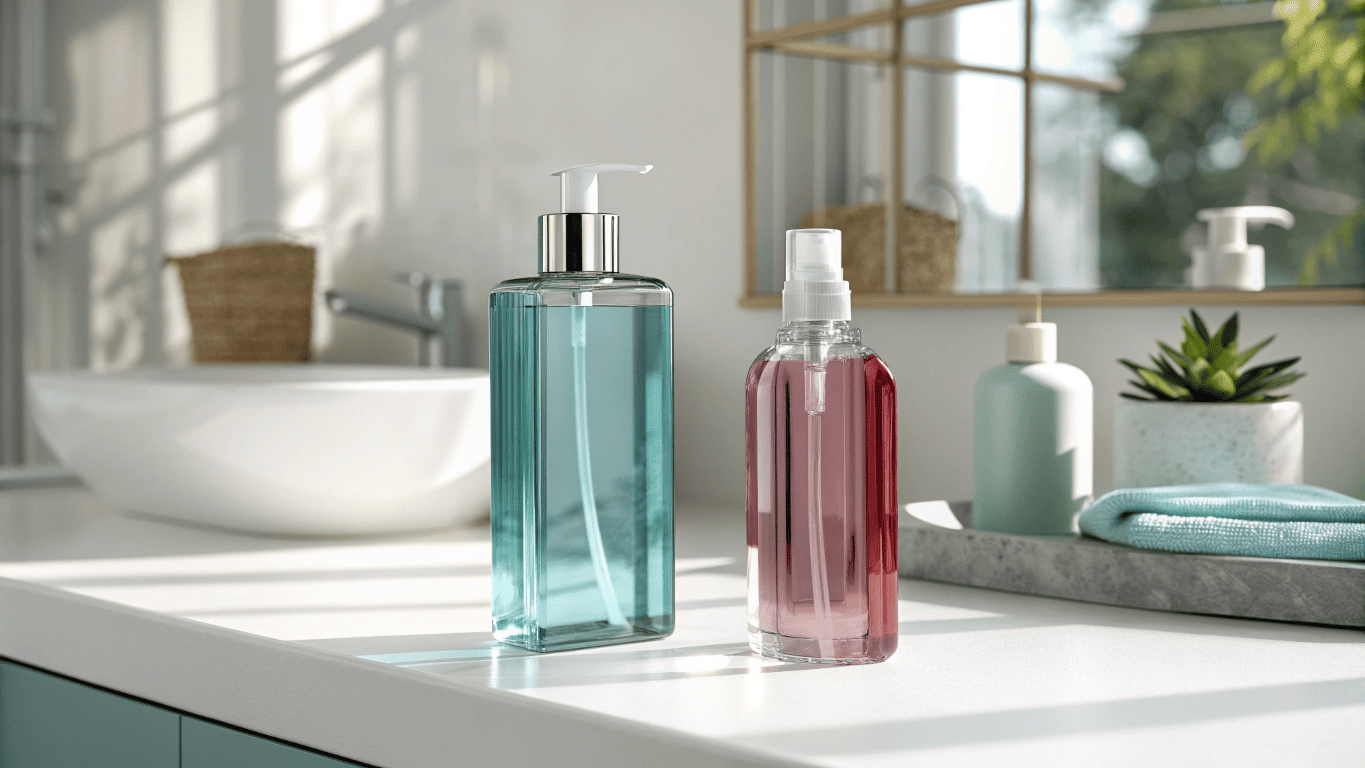
This is probably the most common conversation I have with clients here at Rland. A startup will come to me certain they need glass, while a huge brand wants to explore cheaper plastic options. The truth is, there's no single right answer. It's a strategic choice that balances brand perception, product needs, and budget. Let's weigh the pros and cons of each.
Why is glass packaging better than plastic?
You're worried that plastic packaging makes your high-end formula seem cheap. You're also concerned that plastic might react with your ingredients, compromising the quality you worked so hard to achieve.
Glass is often considered better because it is chemically inert, impermeable, and has a superior premium feel. It won't react with or leach into your formula, ensuring purity. Its weight and clarity communicate a sense of luxury that plastic struggles to replicate.
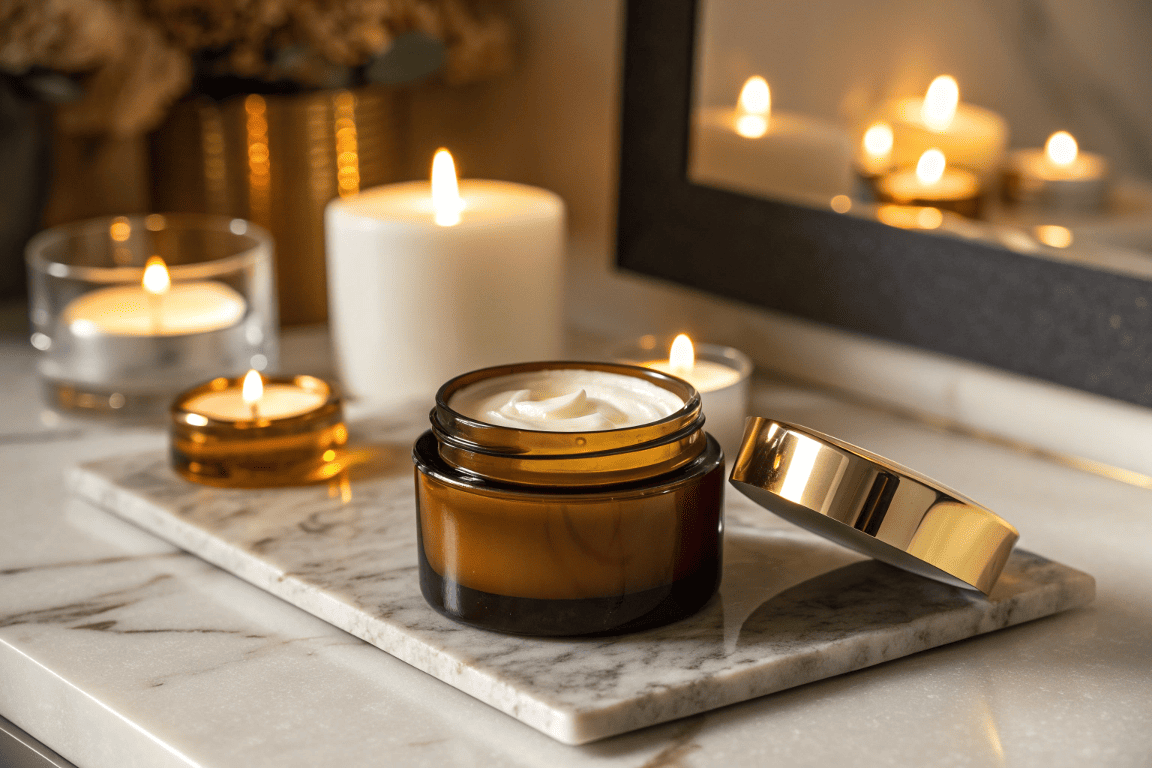
The superiority of glass comes down to three key areas that directly impact product quality and brand perception.
Chemical Stability and Inertness
This is the most critical scientific advantage. "Inert" means the glass will not have a chemical reaction with the product inside it. This is vital for skincare with sensitive active ingredients like Vitamin C or retinol. Plastic, on the other hand, can sometimes allow for chemical leaching or interact with complex formulas. My insight is clear here: for formula stability, glass is the undisputed champion. It acts like a perfect, non-reactive vault for your product.
Premium Perception
The physical properties of glass itself create a sense of luxury. It's cool to the touch, has a satisfying weight, and a clear, brilliant appearance. When a customer picks up a heavy glass jar, it feels substantial and valuable. This sensory experience helps justify a higher price point and reinforces a brand's commitment to quality.
Infinite Recyclability
From an environmental standpoint, glass is a star. It can be recycled endlessly without any loss of quality or purity. A recycled glass bottle can become another glass bottle, over and over again. This strong eco-friendly advantage is very appealing to today's conscious consumer.
Is glass better than plastic for skincare?
You've decided glass is the way to go for its premium feel. But now you're thinking about your customer using your product in the shower. The risk of it shattering is a real safety concern.
For sensitive, high-end formulas used at a vanity, glass is better. For products used in wet environments like the shower (cleansers) or for travel, shatter-resistant and lightweight plastic is often a safer and more practical choice.
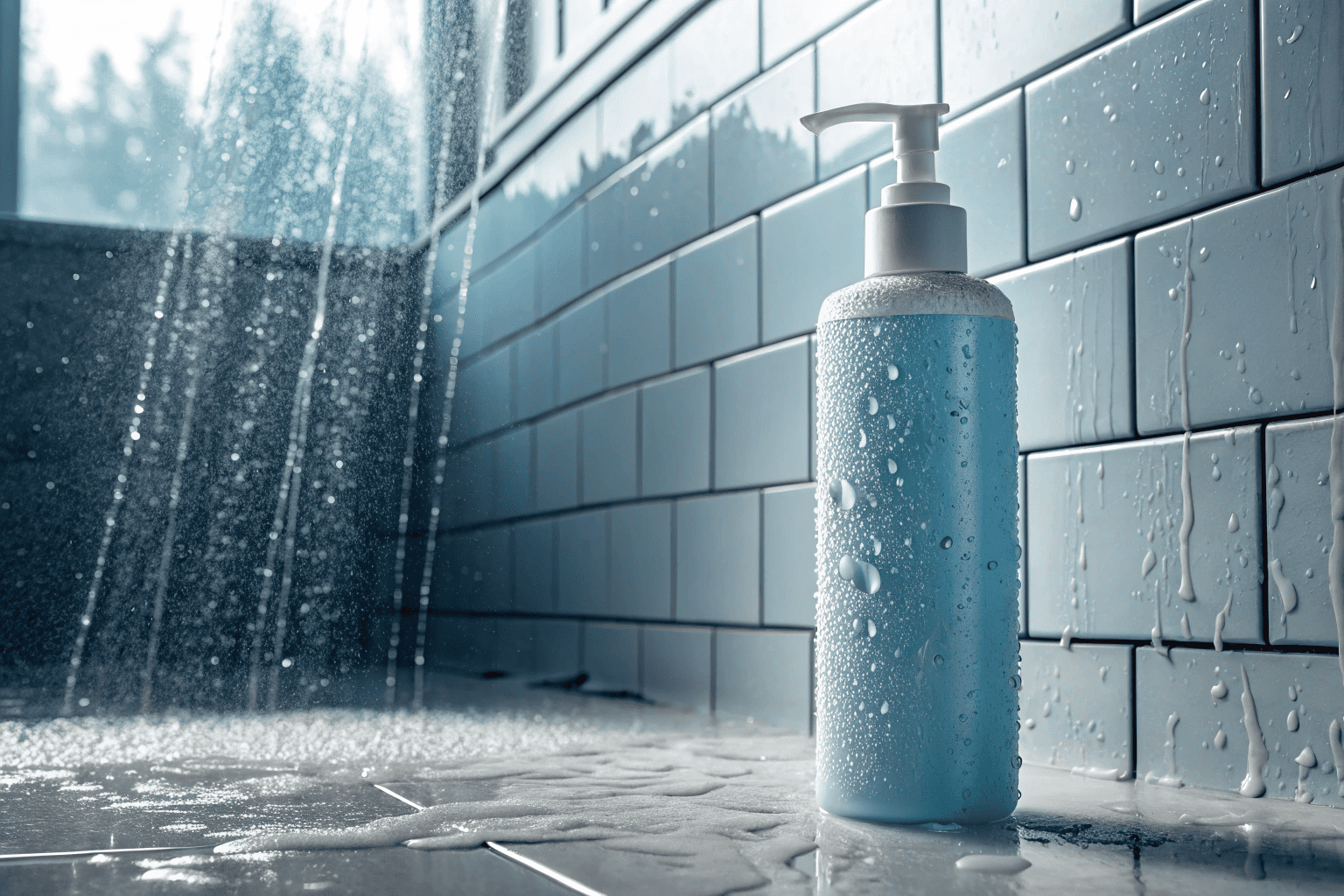
The question isn't "which is better" in a general sense, but "which is better for this specific situation." The answer requires you to think about the product's use case and your target customer. For instance, a brand I work with has a high-potency retinol serum in a glass airless bottle, but their daily face wash is in a PET plastic bottle. This is smart packaging. You have to match the material to the customer's real-life behavior.
Here's a breakdown to help you decide:
| Factor | Glass | Plastic | The Right Choice Depends On... |
|---|---|---|---|
| Safety | Can shatter | Shatter-resistant | Where the product will be used. |
| Weight | Heavy, premium | Lightweight, portable | Whether it's for home use or travel. |
| Cost | More expensive | More affordable | Your brand's budget and price point. |
| UV Protection | Needs coating (amber) | Can be formulated with UV inhibitors | How sensitive your formula is to light. |
As my insight suggests, cost is a huge factor, especially for brands targeting developing countries or mass-market consumers. Plastic's affordability makes high-quality skincare accessible to more people.
What are the advantages of glass packaging?
You understand the luxury appeal, but you need more concrete reasons to justify the higher cost and weight of glass to your team or investors.
The main advantages of glass are its 100% material purity (it's inert), its position as a premium brand enhancer, and its superior environmental profile due to infinite recyclability. It protects the product's integrity while elevating its perceived value.
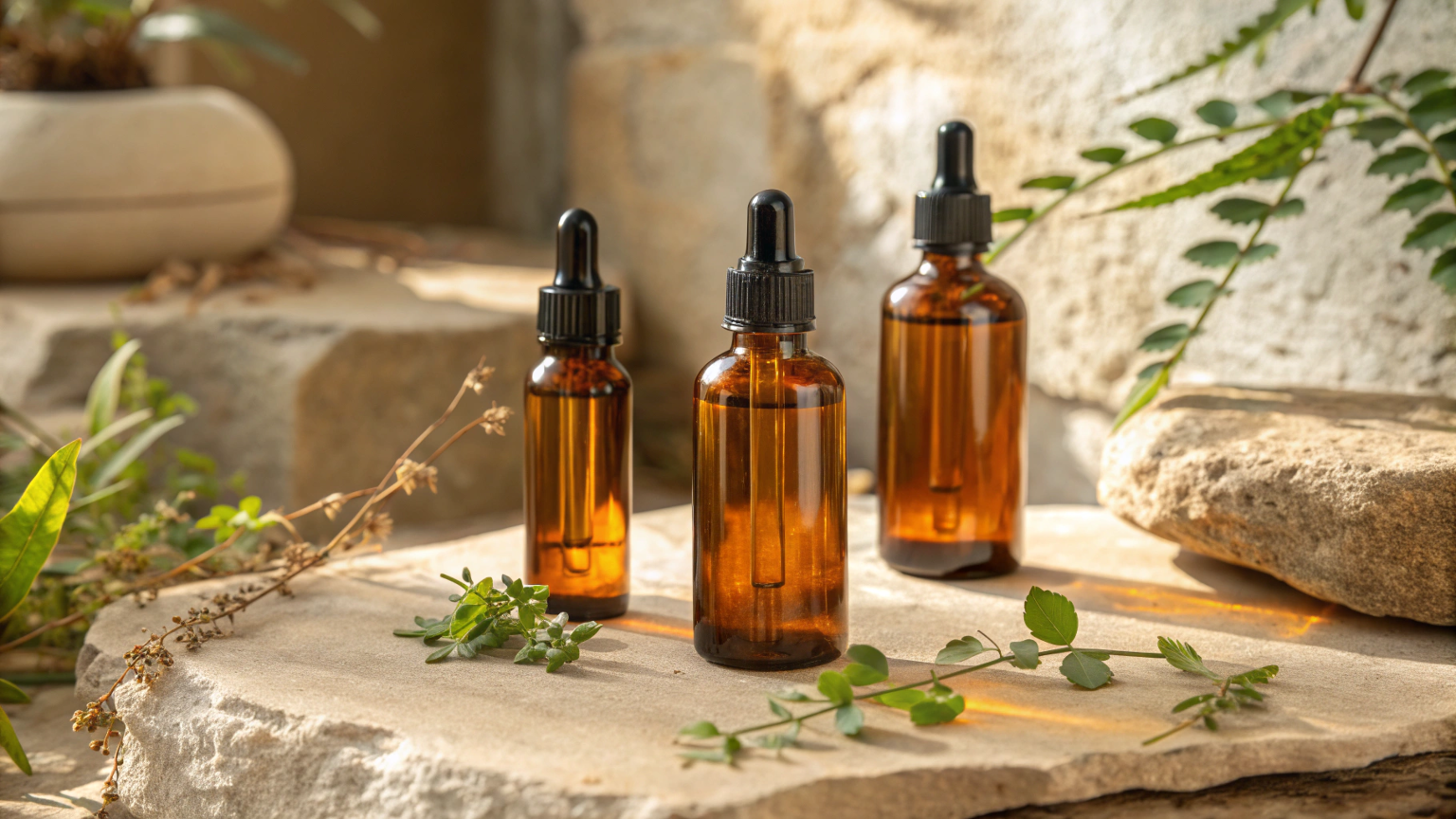
Let's dive deeper into the concrete business advantages of choosing glass. When a client is on the fence, these are the points that usually help them make the decision.
Ultimate Product Protection
Glass is impermeable to gases and moisture. This creates a perfect seal that protects the formula not just from chemical reaction, but also from oxygen degradation and outside contaminants. The product your customer opens on day 60 is identical to the one you bottled on day 1. This level of preservation maintains the effectiveness of your product, leading to better customer results and higher satisfaction. Colored glass, like amber or cobalt blue, offers the added benefit of natural UV protection for light-sensitive formulas.
Enhancing Brand Equity
A package isn't just a container; it's a statement. Choosing glass immediately places your brand in the premium to luxury category. Customers associate the weight and feel of glass with quality and are willing to pay more for it. This isn't just about looks; it's a tangible signal that your brand invests in the best. This can be a powerful differentiator in a crowded market. It tells a story of quality before the customer even tries the product.
Conclusion
The choice is strategic. Glass provides premium feel and purity, ideal for luxury brands. Plastic offers affordability and durability, perfect for mass-market and on-the-go products. Choose what best tells your brand's story.
Written by

Mike Lee
You may also be interested in:
Why Is Sunscreen Packaging More Challenging Than Skincare Packaging?
You have a great serum in a beautiful bottle and a moisturizer in a premium
How Can You Prevent the Top 5 Sunscreen Packaging Failures?
Your sunscreen launch is at risk from hidden packaging flaws. These issues often appear post-launch,
What Are the Biggest Challenges in Sunscreen Packaging Manufacturing?
You have a fantastic sunscreen formula ready to go, but you're hearing horror stories about
How Do You Choose the Right Spray Output (0.12/0.18/0.25ml) for Your Product?
You're looking at supplier options and see a list of numbers: 0.12ml, 0.18ml, 0.25ml. You
