
Sustainable Cosmetic Packaging: Eco-Friendly Options for Your Brand?
September 4, 2025 • Mike Lee
Consumers today demand eco-friendly products. Is your wasteful packaging driving them away? Adopting sustainable options is essential for brand loyalty and growth.
The best sustainable packaging options are recyclable materials (like PCR plastic and glass), refillable systems, and minimalist designs. These choices reduce waste, lower your carbon footprint, and resonate with eco-conscious consumers.
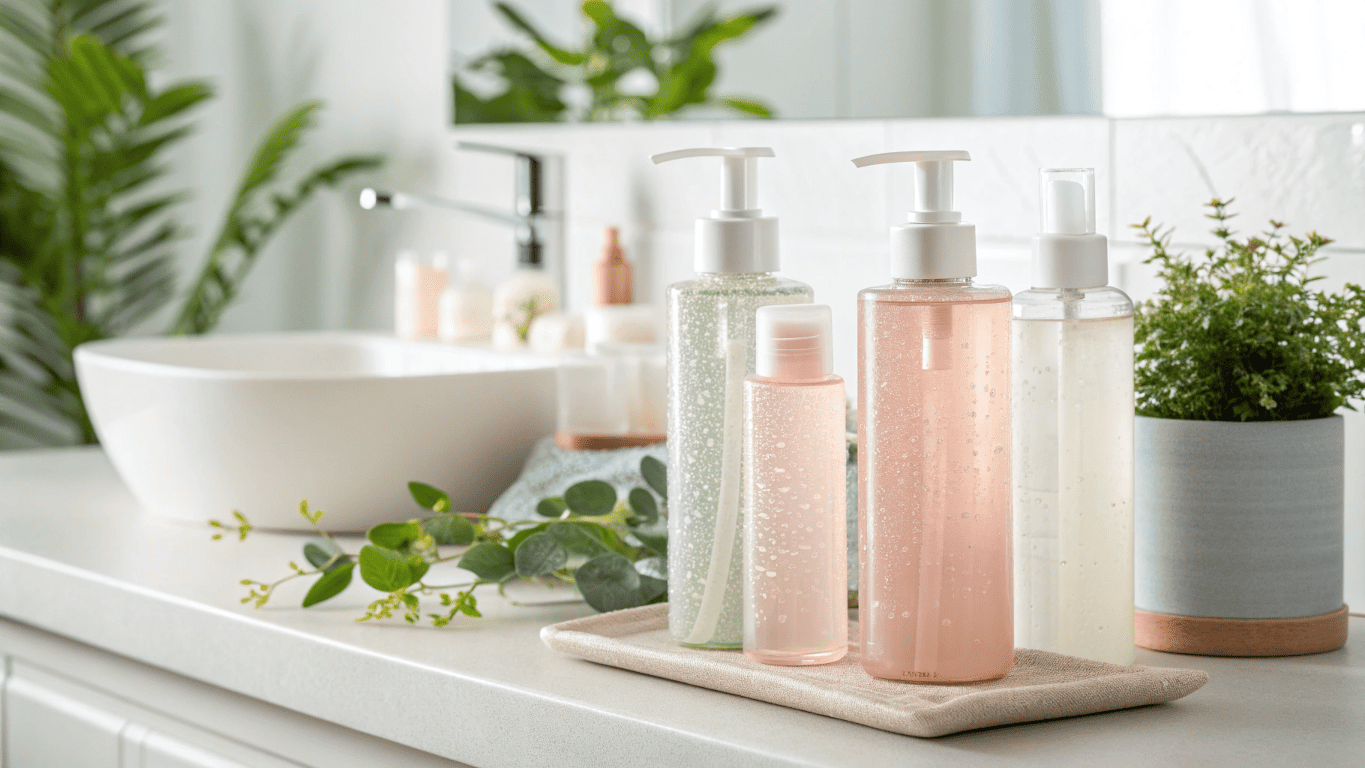
I see this shift every day here at Rland. Brands are no longer asking if they should be sustainable, but how. It is now a core part of developing a new product line. The great news is that you have more options than ever before. Let's look at what's available and how to choose the right path for your brand.
What are the sustainable packaging options for cosmetics?
"Eco-friendly" claims are confusing and often misleading. You need real, effective solutions that work for cosmetic products without compromising safety or quality.
For cosmetics, key sustainable options include Post-Consumer Recycled (PCR) plastics, lightweight glass, mono-material designs for easy recycling, and refillable systems. These choices directly address cosmetic industry waste by reducing virgin material use and extending product life.
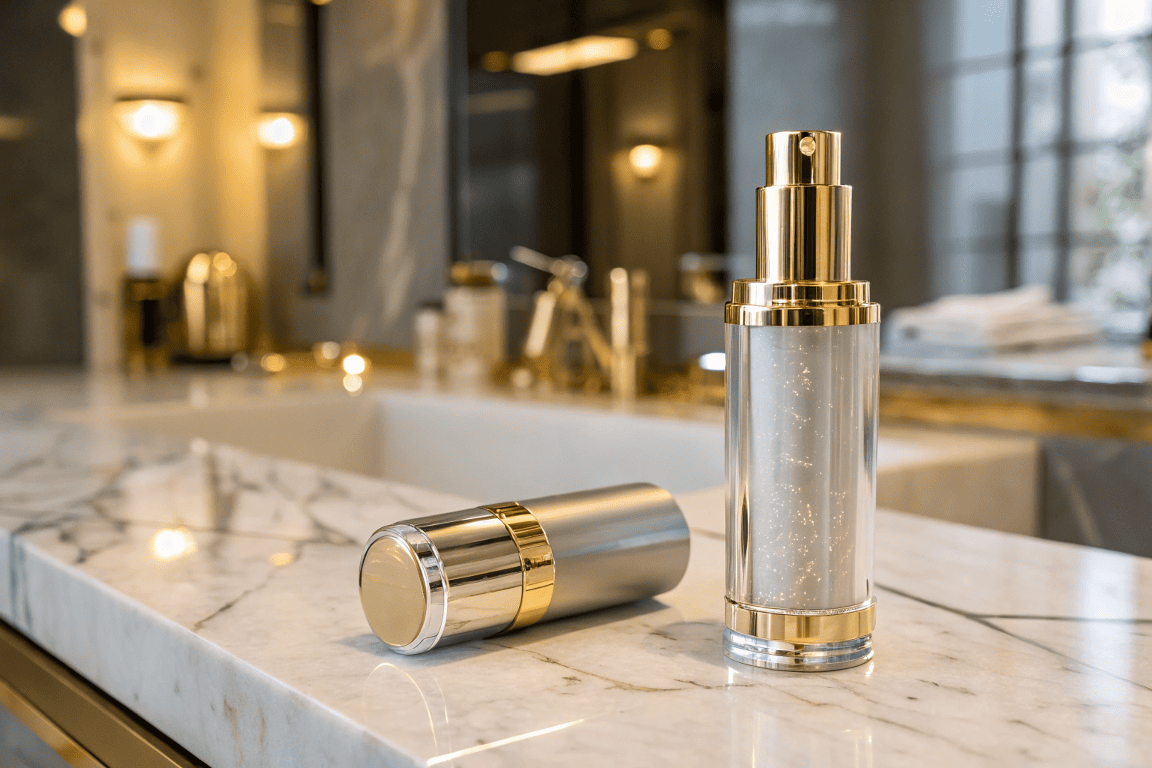
The right choice always depends on your brand's specific personality and product type. Matching the material to your product's positioning is the most important step. At Rland, we guide clients through this decision every day.
PCR (Post-Consumer Recycled) Plastics
This involves using recycled plastic to create new bottles and jars. It’s an excellent choice for lotions, shampoos, and body washes. Using PCR plastic shows your customers that you are actively participating in the circular economy and are committed to reducing plastic waste. It’s a very clear and powerful message.
Refillable Systems
This is one of my favorite trends. You create a beautiful, durable outer container (the "master" packaging) from glass, aluminum, or a high-quality polymer. Then, customers purchase smaller, simpler "refills." This approach builds immense brand loyalty. Customers keep your beautiful bottle on their vanity and feel good about reducing waste with every purchase. It positions your brand as premium and forward-thinking.
Mono-Material Design
This is a simple but brilliant concept. To be easily recycled, packaging components often need to be separated (e.g., the bottle from the pump). Mono-material design means making the entire package from a single type of plastic, like PP. This way, the user can throw the whole thing into the recycling bin without any extra work, dramatically increasing the chance it will actually be recycled.
| Option | Best For | Brand Message |
|---|---|---|
| PCR Plastic | Lotions, Shampoos | We're part of the circular economy. |
| Refillable | Serums, Foundations | We offer luxury and long-term value. |
| Mono-Material | Squeeze Tubes, Pumps | We design for easy, real-world recycling. |
What are some eco-friendly packaging options?
Feeling limited by standard eco-friendly options? Relying only on recycled plastic can feel uninspired. There's a world of innovative materials to explore that can set your brand apart.
Popular eco-friendly packaging materials include FSC-certified paper and cardboard, aluminum, glass, and innovative options like bamboo. Each offers distinct environmental benefits, from renewability and recyclability to a premium, natural aesthetic.
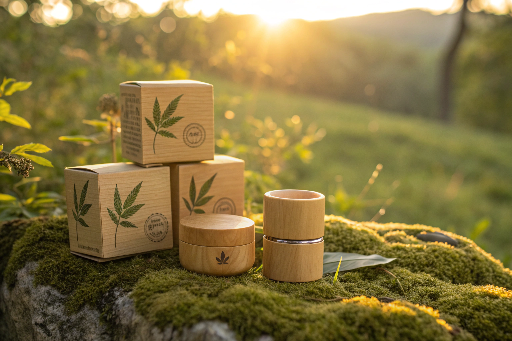
Let's expand beyond just plastic. As I always tell my clients, the material you choose tells a story. Selecting a unique, sustainable material can immediately communicate your brand's values before the customer even opens the product.
Paper and Cardboard (FSC Certified)
This is a key point from my insights. If you use paper for your outer boxes, always look for the FSC (Forest Stewardship Council) certification. This mark guarantees that the paper comes from responsibly managed forests. It’s a simple way to show your commitment goes deeper than just the surface claim. It adds credibility and trust.
Biodegradable Plastics (PLA)
This is a very exciting and fast-developing area. Materials like Polylactic Acid (PLA) are derived from renewable resources like corn starch. Under the right conditions, they can break down completely. However, it's important to be transparent. Most of these require industrial composting facilities, not a consumer's backyard pile. This option is great for brands with a very strong eco-commitment who can educate their customers on proper disposal.
Bamboo and Wood
For brands with a natural or organic focus, bamboo is a fantastic choice. It is a rapidly renewable grass that grows incredibly fast. It can be used for lids, jars, and full containers. The look and feel are immediately premium and natural. It creates a powerful connection to nature and communicates a clean, earthy brand ethos.
What are the 7 R's of sustainable packaging?
You know the 3 R's, but that's just the beginning. Focusing only on recycling leaves huge opportunities for innovation and impact on the table.
The 7 R's of sustainable packaging expand on the original concept: Rethink, Refuse, Reduce, Reuse, Repair, Repurpose, and Recycle. This framework provides a comprehensive guide for creating a truly circular and responsible packaging strategy.
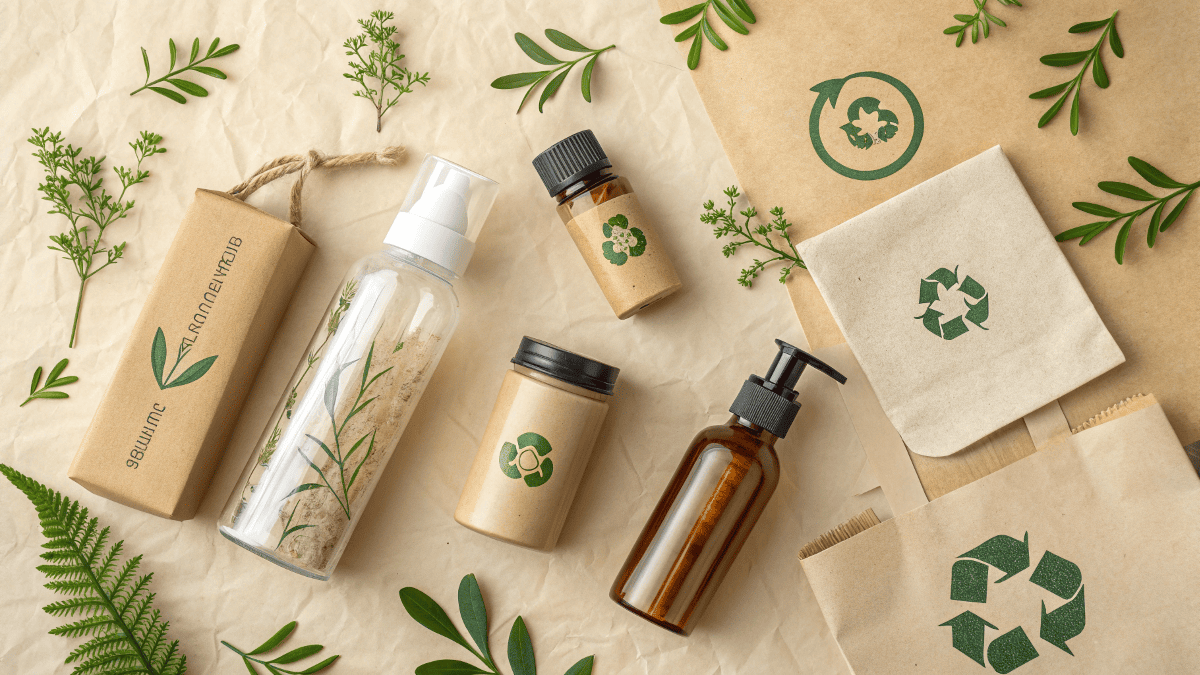
Thinking through all 7 R’s turns sustainability from a simple choice into a complete business philosophy. It forces you to be more creative and responsible at every single step of the product journey. I often use this framework with clients to challenge their initial ideas and find even better solutions.
The first 'R,' Rethink, is the most important. It happens before any design is made. Do we even need this secondary box? Could the primary container be lighter?
Reuse is where our refillable systems fit in perfectly. We design the primary pack to be kept and used again and again.
Repurpose is another great one. Can you design a beautiful glass jar that a customer will want to keep to store makeup brushes or cotton swabs after the cream is gone? This gives the packaging a second life beyond its original function.
Here's how they all fit together:
| The 'R' | Action for Your Brand |
|---|---|
| Rethink | Challenge every packaging component. Is it truly necessary? |
| Refuse | Say no to unnecessary layers, like shrink-wrap or inserts. |
| Reduce | Make packaging lighter or smaller to use less material. |
| Reuse | Implement a refillable or returnable packaging program. |
| Repair | Design modular packaging where a part (like a pump) can be replaced. |
| Repurpose | Create beautiful packaging that customers will want to use for something else. |
| Recycle | Use mono-materials and clear labeling to ensure it can be recycled. |
Conclusion
Choosing sustainable packaging means selecting the right material and system for your brand. From PCR plastic to refillable designs, eco-friendly choices build brand loyalty and secure a better future for everyone.
Written by

Mike Lee
You may also be interested in:
Should You Switch to PCR Plastic for Your Sunscreen Packaging?
Your customers are demanding sustainable options, but you're worried that switching to recycled materials will
What Are the Biggest Challenges in Sunscreen Packaging Manufacturing?
You have a fantastic sunscreen formula ready to go, but you're hearing horror stories about

How Can You Reduce Packaging Costs Without Compromising Sunscreen Bottle Quality?
You're trying to grow your sunscreen brand, but rising packaging costs are eating into your

The Complete Importing Guide for Spray Bottles: How Can You Simplify the Process?
You worry about complex customs paperwork and your spray bottles arriving damaged. This uncertainty can
