
How to Choose the Right Airless Pump for Skincare Packaging?
September 8, 2025 • Mike Lee
You’ve invested heavily in a premium skincare formula. But putting it in standard packaging exposes it to air, causing oxidation and contamination that ruins its effectiveness and wastes your customer's money.
To choose the right airless pump, match it to your product's viscosity. Use a lotion pump for thick creams and serums, and a spray pump for thin liquids like mists. Also consider dosage and brand goals like sustainability.
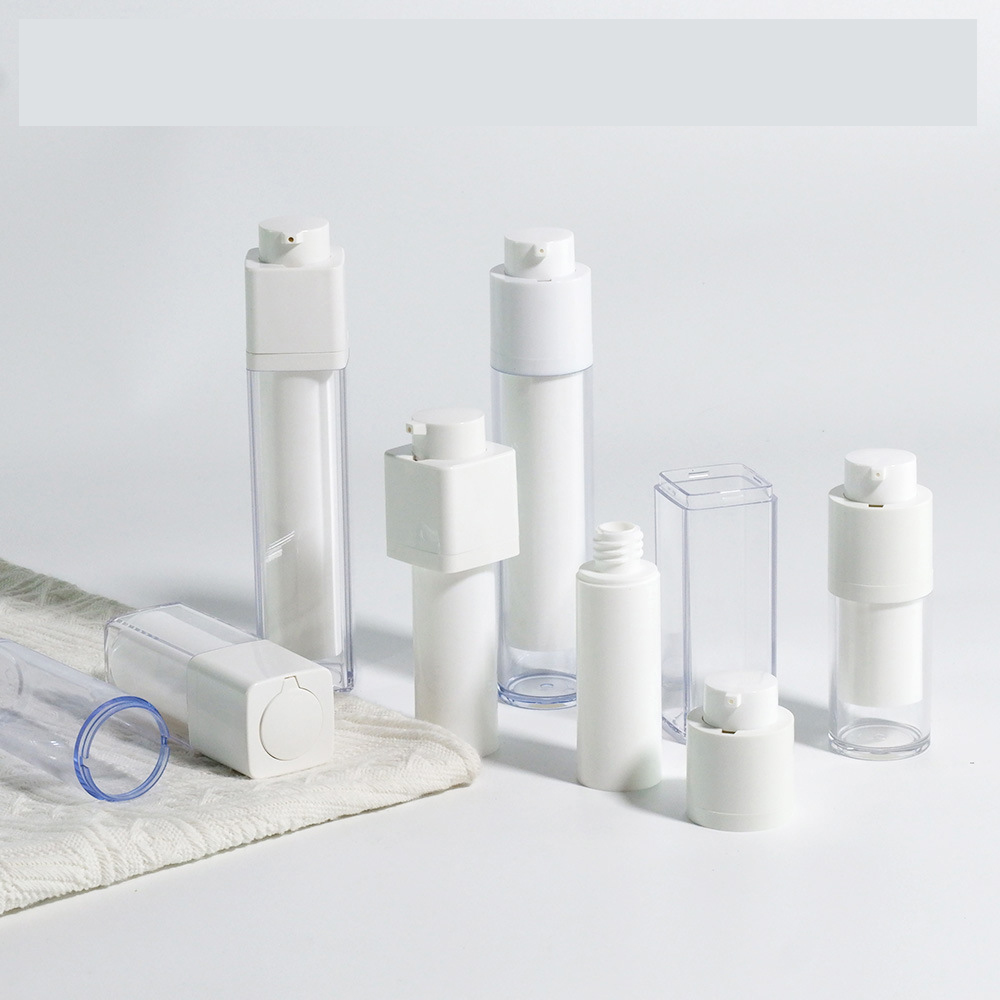
At Rland, I've seen brands make this mistake. A perfect formula can be ruined by the wrong delivery system. The choice between a lotion pump and a spray pump is critical. It defines the user experience and protects your product's integrity. Let’s break down how to make the right choice for your product line.
A Guide to Airless Pump Bottles for Skincare Products?
You see "airless" everywhere, but it just looks like a fancy pump. You're not sure if the extra cost is justified or if it's just a marketing gimmick.
Airless pumps use a piston-and-disc mechanism to dispense product without introducing air. This preserves sensitive formulas and allows for up to 99% product evacuation. Regular pumps use a dip tube, which pulls air into the bottle, degrading the product over time.
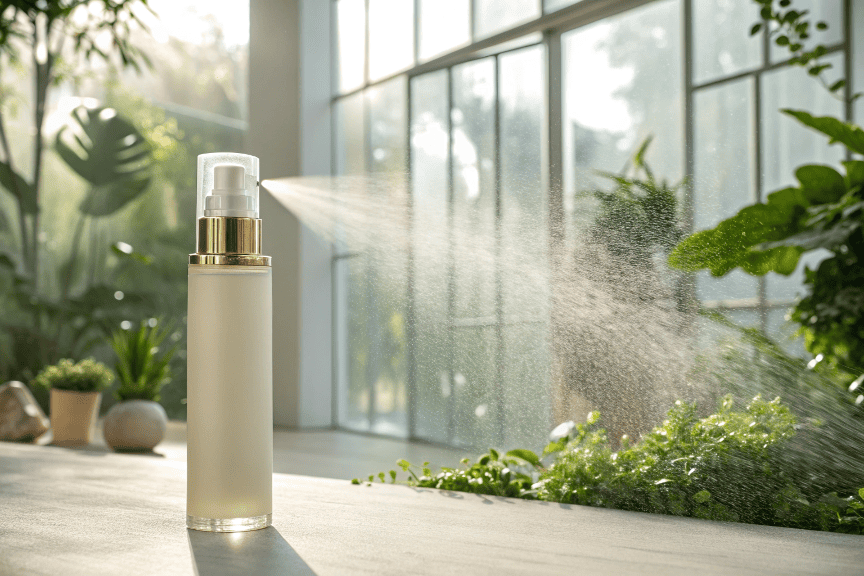
The difference isn't just a gimmick; it's a fundamental change in how the product is stored and dispensed. Understanding this mechanism is key to seeing the value.
The Airless Pump Mechanism
An airless bottle doesn’t have a dip tube. Instead, it has a molded disc or piston at the bottom. When you press the pump, a vacuum effect is created, which pulls the disc upward. The disc then pushes the product out of the pump. No air gets back into the bottle. This airtight environment is perfect for protecting natural ingredients or active formulas like retinol and Vitamin C from oxidation.
The Standard Pump Mechanism
A standard lotion pump uses a dip tube that goes to the bottom of the bottle. When you pump, it creates suction that pulls the product up the tube. When you release the pump, air is drawn back into the bottle to fill the empty space. This repeated exposure to oxygen can degrade sensitive ingredients, change the color of your formula, and breed bacteria.
| Feature | Airless Pump | Standard Pump |
|---|---|---|
| Preservation | Excellent; protects from air/contaminants | Poor; introduces air with each use |
| Evacuation Rate | Up to 99% | ~70-80%; product left at bottom |
| Orientation | Works at any angle | Must be upright |
| Looks | Premium, modern | Standard, basic |
How to Choose the Right Airless Bottle Packaging for Your Product?
You’ve decided on an airless bottle, but now you have to choose the pump head. Picking the wrong one can lead to a terrible user experience, like a thick cream clogging a spray nozzle.
Match the pump head to your product's texture. Choose a lotion pump for high-viscosity products like creams and serums. Use a spray pump, which creates a fine mist, for low-viscosity liquids like toners and facial mists.
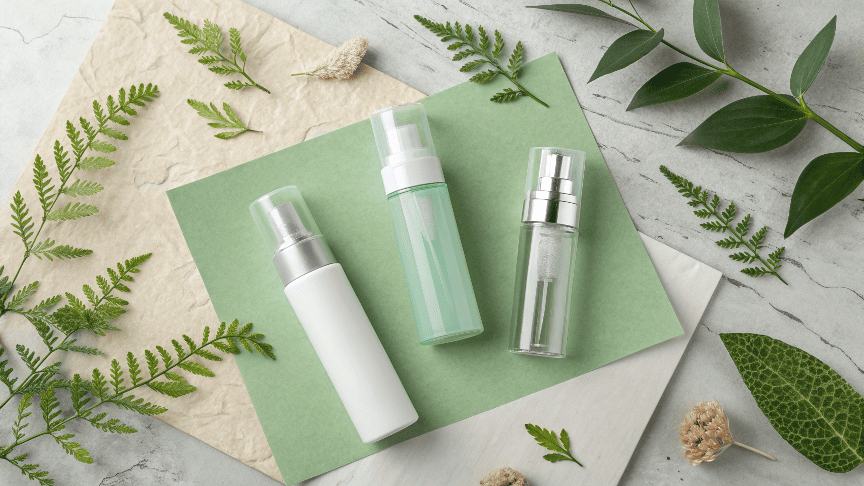
This is a critical insight I always share with clients. The pump head is the bridge between your product and the customer. The right choice feels intuitive and satisfying; the wrong one feels broken. Airless bottles are mainly equipped with two types of pumps, and the choice depends entirely on your formula.
Lotion Pumps for Creams and Serums
Lotion pumps are engineered to handle thicker, more viscous products. They dispense a controlled, specific amount of product with each press, which is crucial for potent formulas where dosage matters. This is the ideal choice for products like:
- Rich moisturizers
- Thick anti-aging serums
- Foundations
- Sunscreens
Spray Pumps for Mists and Toners
Spray pumps are designed for thin, water-like liquids. They atomize the liquid into a fine, even mist for broad application. Using a spray pump for a thick cream would just result in a clogged pump and a frustrated customer. Use this pump for:
- Facial mists and setting sprays
- Liquid toners
- Body sprays
- Sanitizers
The Ultimate Guide to Choosing the Right Airless Treatment Pump Refillable Bottle for Your Needs?
You want to offer a sustainable option, but you're worried a refillable system might compromise the benefits of airless technology or be too complicated for customers.
Yes, refillable airless bottles are an excellent choice. They combine the product preservation of airless tech with the eco-friendly appeal of a reusable system. This boosts brand loyalty and elevates your product to a premium status.
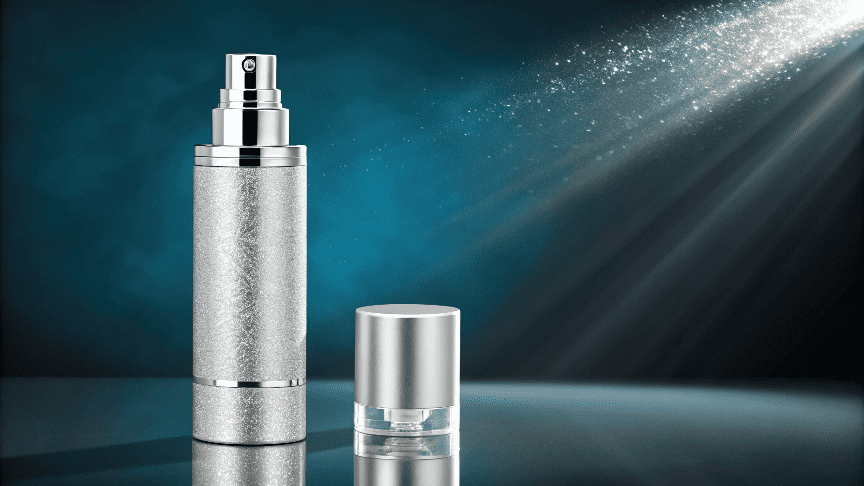
This is one of the most exciting innovations in packaging right now. It solves two problems at once: product preservation and sustainability. It's a huge win for brands that want to position themselves as both high-end and environmentally conscious.
The system works with two components: a durable, beautiful outer bottle that the customer keeps, and a lightweight inner cartridge that contains the product. The inner cartridge is an airless system itself. Once it's empty, the customer simply buys a new refill cartridge and pops it into their permanent outer bottle.
This offers huge benefits. For the brand, it builds incredible loyalty. Customers are no longer just buying one product; they are buying into your system. They come back to you for the refills. For the consumer, it feels luxurious to keep the heavy, well-designed outer bottle, and they feel good about reducing their plastic waste. It also often saves them money, as the refill is cheaper than buying a completely new product.
Conclusion
Choose your airless pump based on product viscosity. Use lotion pumps for creams and serums, and spray pumps for mists. Consider refillable options to enhance sustainability and build powerful brand loyalty.
Written by

Mike Lee
You may also be interested in:
Why Is Sunscreen Packaging More Challenging Than Skincare Packaging?
You have a great serum in a beautiful bottle and a moisturizer in a premium
How Can You Prevent the Top 5 Sunscreen Packaging Failures?
Your sunscreen launch is at risk from hidden packaging flaws. These issues often appear post-launch,
What Are the Biggest Challenges in Sunscreen Packaging Manufacturing?
You have a fantastic sunscreen formula ready to go, but you're hearing horror stories about
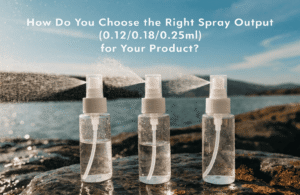
How Do You Choose the Right Spray Output (0.12/0.18/0.25ml) for Your Product?
You're looking at supplier options and see a list of numbers: 0.12ml, 0.18ml, 0.25ml. You
