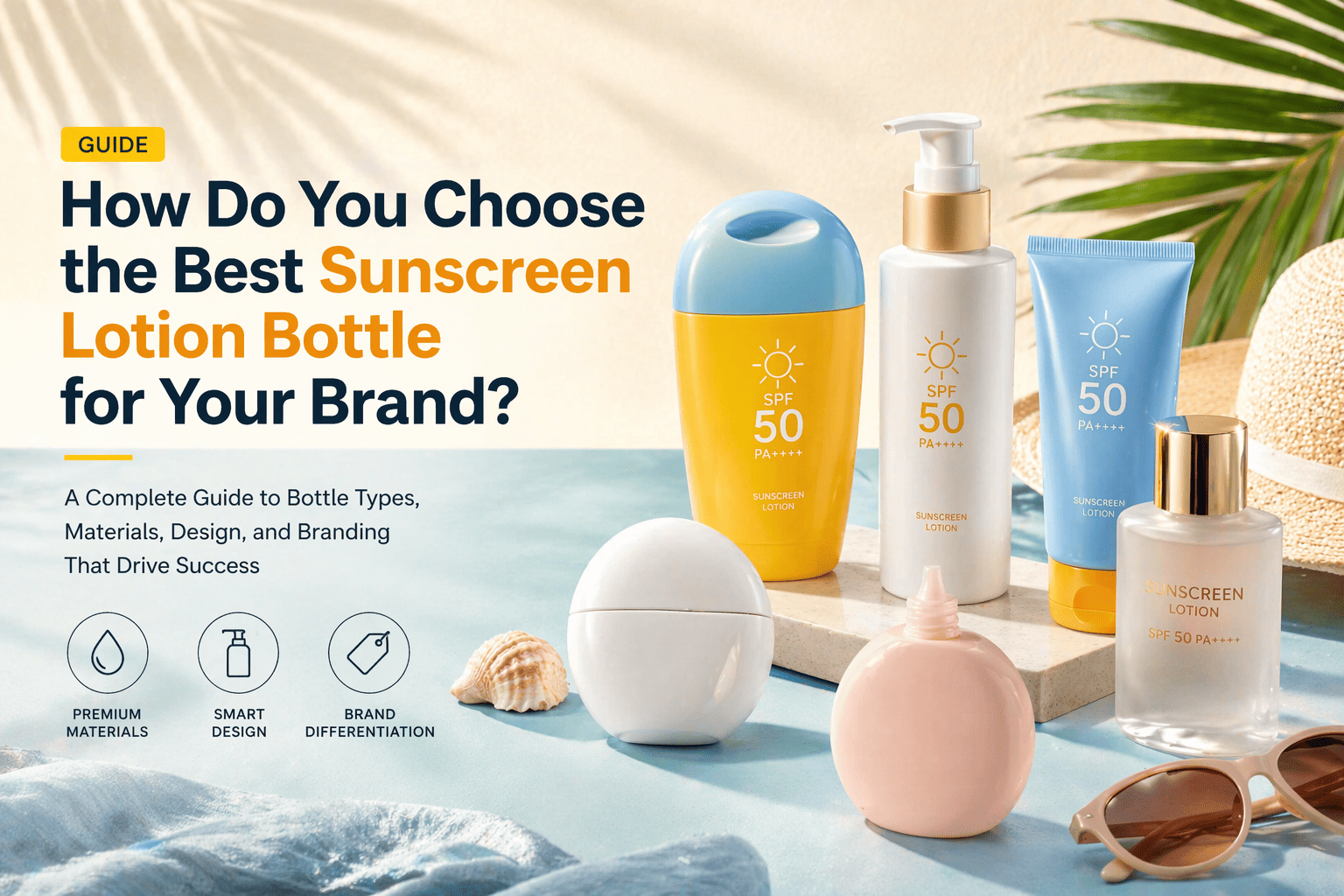
How Do You Choose the Best Sunscreen Lotion Bottle for Your Brand?
April 6, 2026 • Mike Lee
Your perfect sunscreen formula is wasted in a leaky bottle. Customer complaints are piling up, damaging your brand's reputation. Choosing the right packaging is the solution to protecting your product.
The best choice matches your formula's thickness, uses a leak-proof design, and is made from a durable, UV-resistant material. You must also consider user experience, size, and customization options to align with your brand's goals and customer needs.
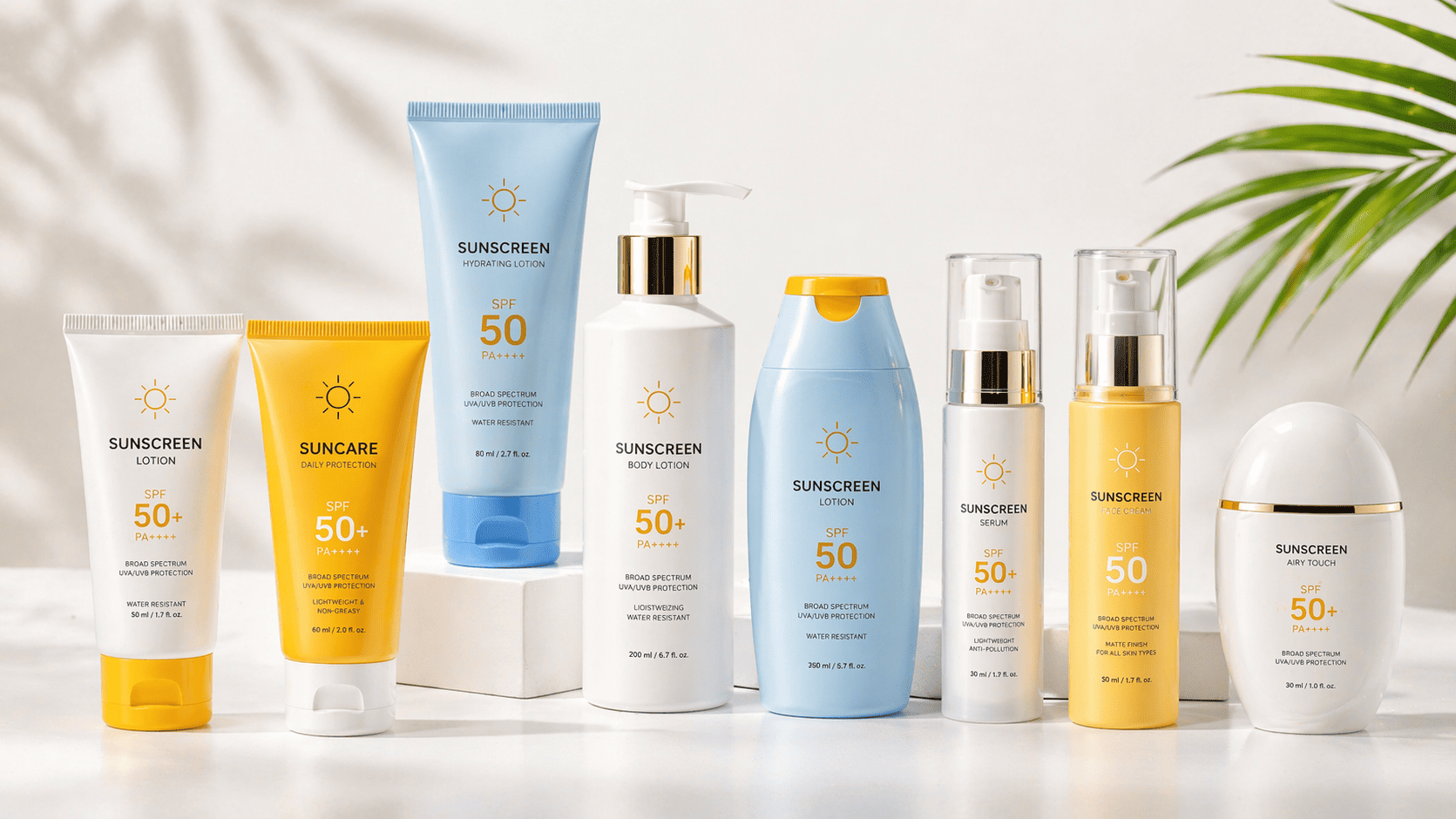
I see this problem all the time. Brands spend a fortune perfecting a beautiful SPF50+ cream, only to put it in a cheap, standard bottle that leaks in a beach bag. Just a few months ago, a client came to me after a disastrous launch. Their social media was flooded with photos of purses and bags ruined by their leaky sunscreen. They learned a hard lesson: for a product people take everywhere, the package is just as important as the formula inside. Your bottle is not just a container; it's a promise of reliability. This guide is built from years of fixing these exact problems.
What Technical Details Matter Most?
You're worried that a technical mistake in choosing your bottle could lead to product failure. You know the material and design are important, but you're not sure where to start.
Focus on three things: formula viscosity, leak-proof engineering, and material durability. Getting these three technical specifications right will prevent the most common and costly packaging failures in the sunscreen market.
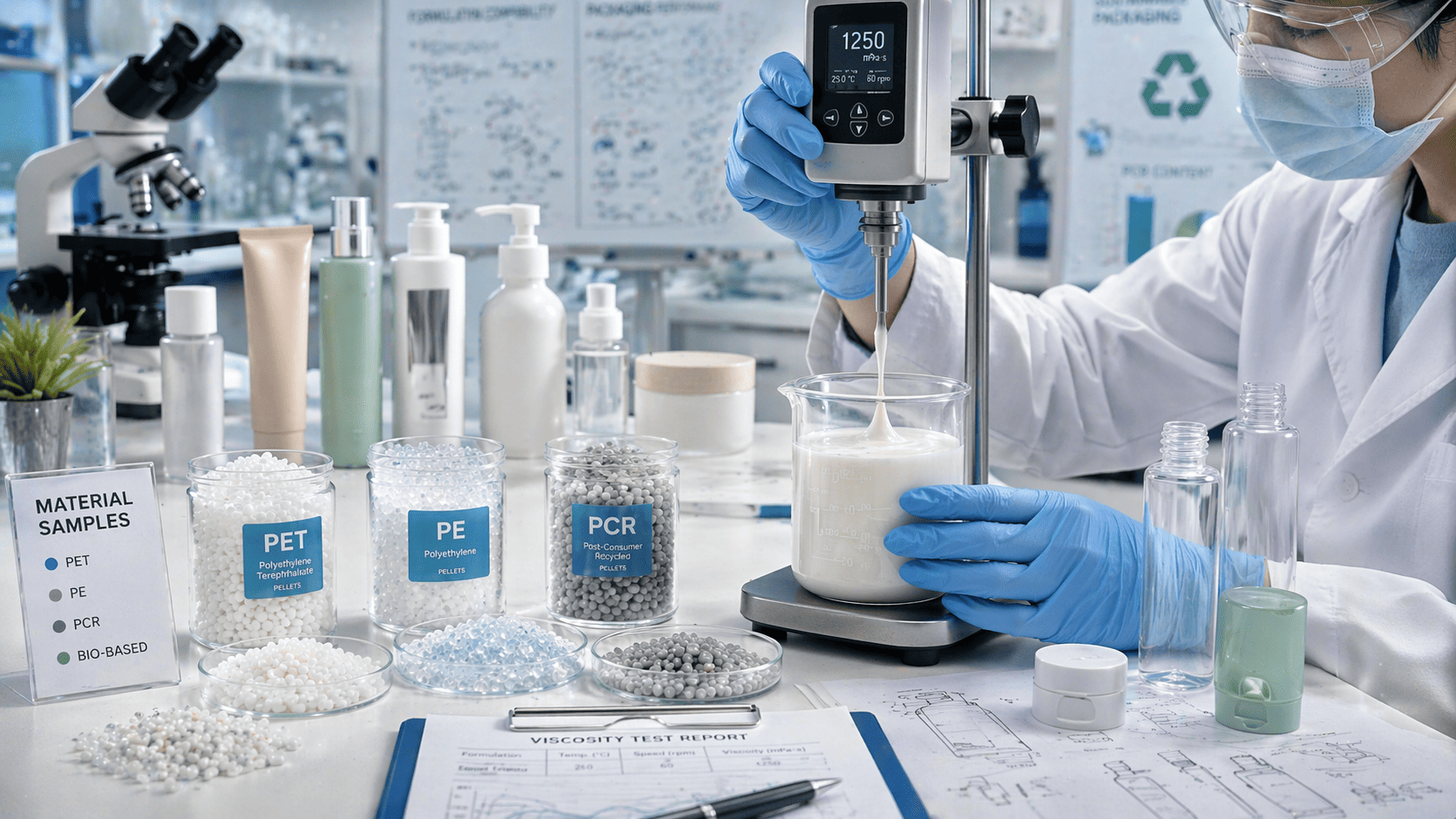
First, we must understand your formula. This is always my first question. Is it a thick, rich cream or a light, fluid lotion? The thickness, or viscosity, dictates everything. A thick cream needs a flexible squeeze bottle made from PE or an airless pump that can handle the pressure. Putting it in a standard lotion pump will cause it to clog and fail. Next, we obsess over the seal. A sunscreen bottle gets thrown in bags and exposed to heat, which increases internal pressure. We look for a robust sealing structure, a strong cap with tight threading, and a bottle body that won't deform. Finally, the material. PE (Polyethylene) is fantastic for its flexibility in squeeze bottles. PET offers glass-like clarity, which is great for showing off a product. And of course, PCR (Post-Consumer Recycled) plastic is a must for eco-conscious brands. For any of these, we have to ensure it has UV resistance to protect the bottle itself from becoming brittle in the sun.
Core Technical Decisions
| Specification | Key Consideration | Best Practice |
|---|---|---|
| Viscosity Match | Can the dispenser handle your formula's thickness? | Test your exact formula with the chosen bottle and pump. |
| Seal Integrity | Will it leak under pressure or heat? | Choose designs with proven tight seals and strong cap threading. |
| Material Choice | Does the plastic offer flexibility, clarity, or sustainability? | Select PE for squeeze tubes, PET for clarity, and PCR for eco-goals. |
How Can Your Bottle Connect with Your Customer?
You know the technical side is handled, but how do you make a bottle that people love to use and that truly represents your brand? This feels like the artistic part you're less sure about.
You connect with customers through thoughtful design. This means making the bottle easy and pleasant to use, offering sizes for every occasion, and customizing it to tell your unique brand story.
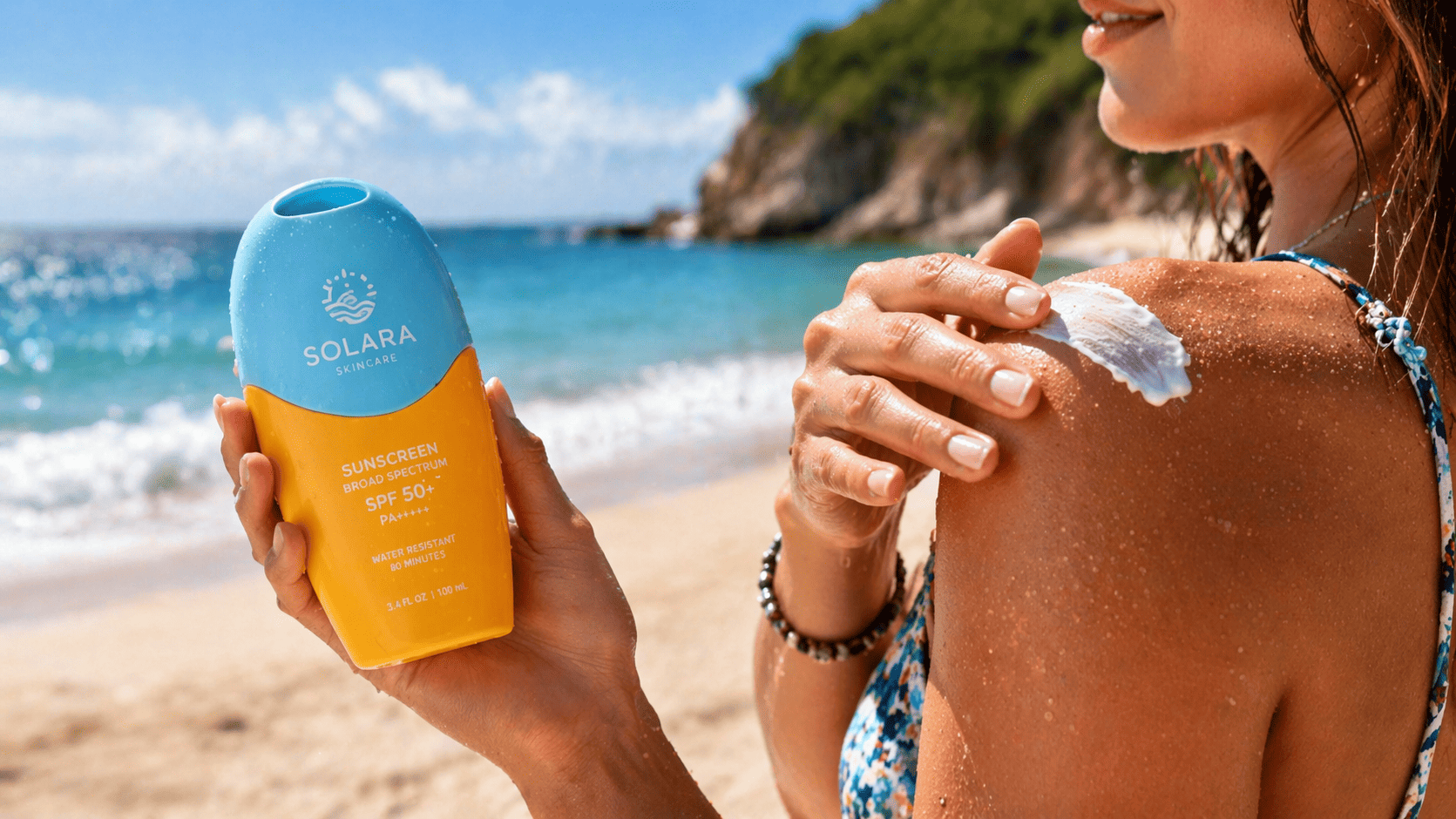
This is where we move from engineering to experience. How does the bottle feel in your customer's hand? Is it easy to grip, even with sunscreen on your fingers? Does the cap open easily? Can you get every last drop of product out? These small details create a better user experience and lead to glowing reviews. Sizing is also a huge part of this. A 30ml or 50ml travel size is no longer optional; it's essential for a global brand. It's perfect for carry-on luggage and encourages trial. Larger 100ml or 150ml bottles are great for family use and offer better value. Finally, we make it yours. This is my favorite part of the process. We can match the bottle to your brand's exact Pantone color, print your logo with high-precision silk screening, and apply a finish that makes it feel special—like a soft-touch matte or a high-gloss sheen. This customization is what transforms a generic container into your product.
Conclusion
Choosing the right sunscreen bottle is a crucial decision that blends technical performance with brand identity. It protects your formula, delights your customers, and ultimately secures your brand's reputation in the market.
🔥 Looking for a reliable sunscreen packaging manufacturer?
Contact us today for free samples and customized solutions.
Written by

Mike Lee
You may also be interested in:
What Are the Biggest Challenges in Sunscreen Packaging Manufacturing?
You have a fantastic sunscreen formula ready to go, but you're hearing horror stories about
How Can You Reduce Packaging Costs Without Compromising Sunscreen Bottle Quality?
You're trying to grow your sunscreen brand, but rising packaging costs are eating into your
The Complete Importing Guide for Spray Bottles: How Can You Simplify the Process?
You worry about complex customs paperwork and your spray bottles arriving damaged. This uncertainty can
From Molding to Assembly: How Does RLAND Ensure Consistent Spray Quality?
You receive a new shipment of spray bottles, but find that some leak and others