
How Can You Prevent the Top 5 Sunscreen Packaging Failures?
March 19, 2026 • Mike Lee
Your sunscreen launch is at risk from hidden packaging flaws. These issues often appear post-launch, causing customer complaints and damaging your brand's reputation. Let's fix these problems before they happen.
Prevent failures by focusing on five key areas: leakage, pump durability, material compatibility, user experience, and real-world stress testing. Solving these requires a strict testing protocol for seals, materials, and pump mechanisms before you approve mass production.
I once had a new client from Indonesia come to us in a total panic. They had just launched a beautiful new SPF lotion with another supplier. A month later, their social media was flooded with pictures of their tubes leaking inside customers' beach bags. They had a great formula ruined by a failing package. They learned the hard way that for sunscreen, the package isn't just a container; it's a piece of high-performance equipment that has to survive extreme conditions. We worked with them to re-launch, but this time we started with testing, not just a pretty design.
How Can You Stop Sunscreen Bottles From Leaking in Transit?
You've shipped your product, but you're worried about that dreaded email from your distributor. They're reporting that boxes have arrived wet, with product leaking everywhere, causing a huge mess and financial loss.
Use a combination of reinforced sealing structures, like gaskets or tight-tolerance threads, and a secure cap design. Most importantly, validate the design with pressure, vibration, and heat simulation tests before confirming your final order.
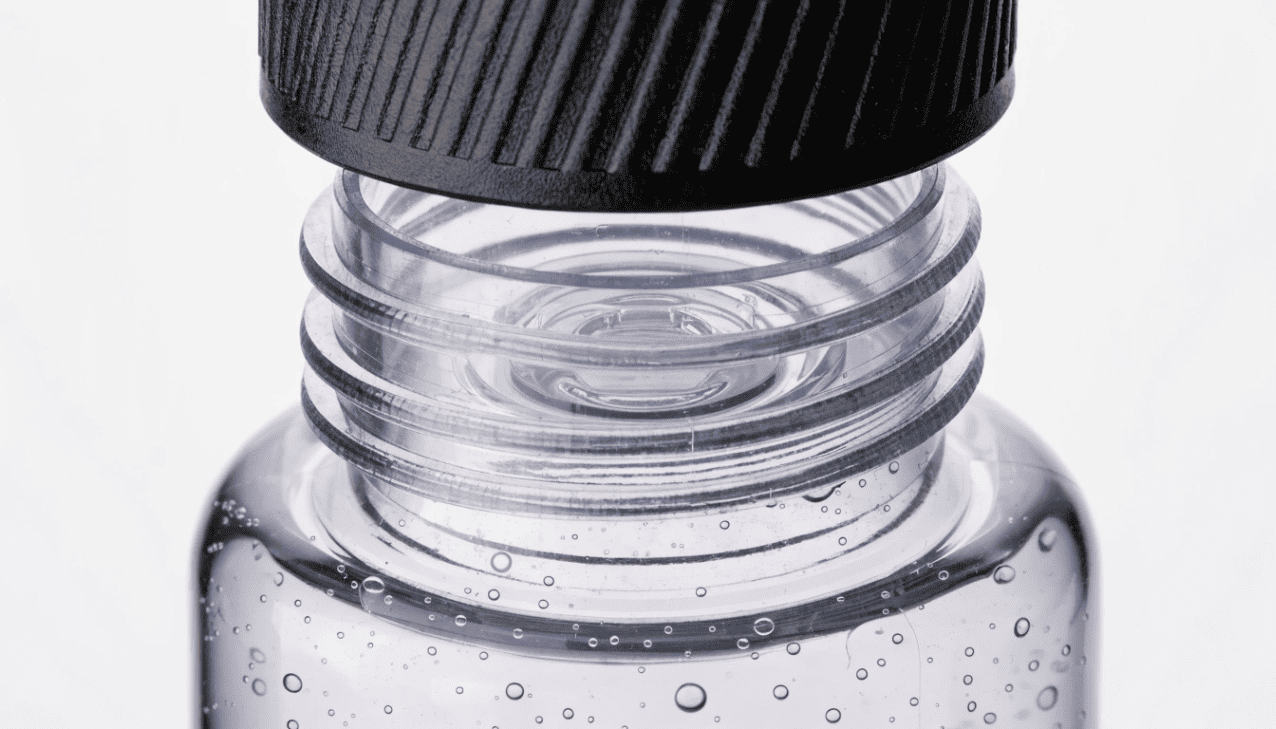
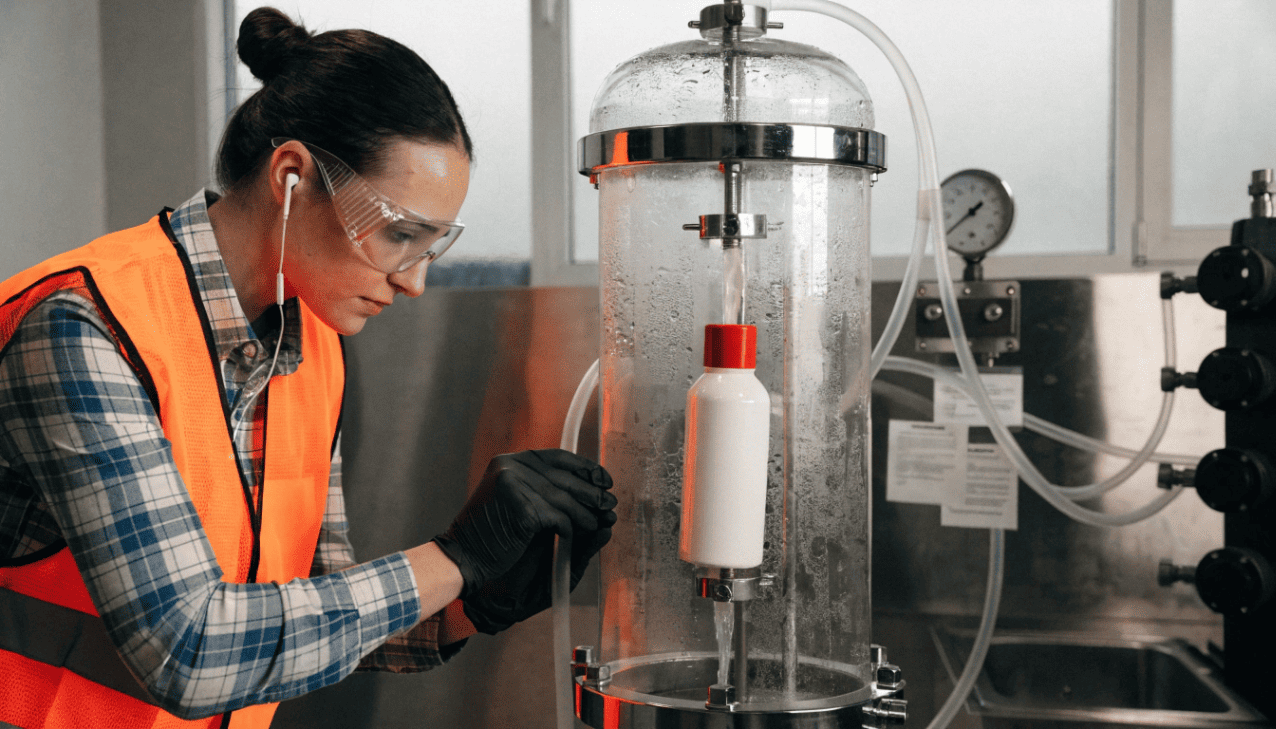
Leakage is the most common and most frustrating sunscreen packaging problem. It often happens because of pressure changes during air freight or expansion from heat in a warehouse or car. A standard bottle and cap just won't cut it. The solution is multi-layered. First, the design itself must be robust. We look at the "thread engagement"—how tightly the cap and bottle neck lock together. Sometimes we add an internal sealing ring or gasket to create a second barrier. Second, we look at the bottle's structure. A bottle with walls that are too thin can deform under pressure, breaking the seal. By slightly increasing wall thickness in critical areas, we can prevent this. Finally, and most critically, we test. We have machines that simulate the vibration of a truck, vacuum chambers that replicate the pressure changes of air travel, and ovens that test the seal's integrity at high temperatures. We don't guess; we prove the design is secure.
Why Does My Sunscreen Pump Stop Working After a Month?
Your product works perfectly for the first few weeks, but then customers complain the pump gets stiff or clogs completely. The product they paid for is now trapped inside the bottle, leading to negative reviews.
This is a failure of compatibility and endurance. Sunscreen ingredients, especially minerals like zinc oxide, can clog or degrade low-quality pump components. The solution is a pump engine specifically designed for sunscreen viscosity and chemically resistant materials.
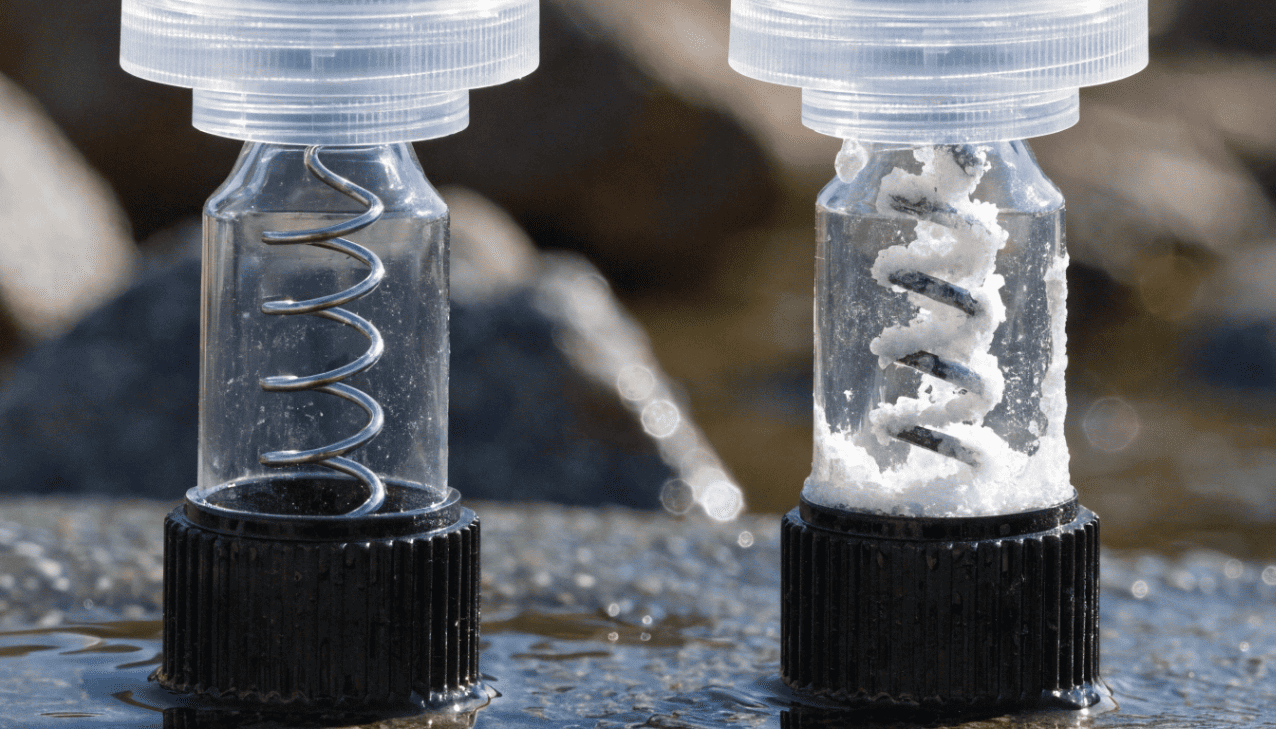
A sunscreen pump has a tough job. Unlike a simple water-based mist, sunscreen formulas are often thick and can contain abrasive mineral particles or reactive chemical filters. A standard pump engine is not built for this. When a brand comes to us with a sunscreen formula, we immediately disqualify standard pumps. We select from a range of pumps that have stronger springs to handle higher viscosity and internal components made from more resistant plastics like PP, which won't react with the active ingredients. The most important step is lifecycle testing. We put the pump, filled with the actual client formula, onto a machine that presses it thousands of times. This simulates the entire life of the product. Does it clog after 300 pumps? Does the output volume decrease over time? This ensures that the last pump feels just as good as the first, protecting the customer's experience and your brand's reputation for quality.
Why Is My Sunscreen Bottle Turning Yellow or Cracking?
Six months after production, you notice the product on the shelf doesn't look right. The clean white bottle has developed a yellow tint, or it feels brittle and has started to form micro-cracks near the neck.
This is a classic material compatibility failure. Active ingredients and oils in the sunscreen formula are chemically reacting with the plastic, causing it to degrade. The only way to prevent this is by conducting formula-specific compatibility testing.
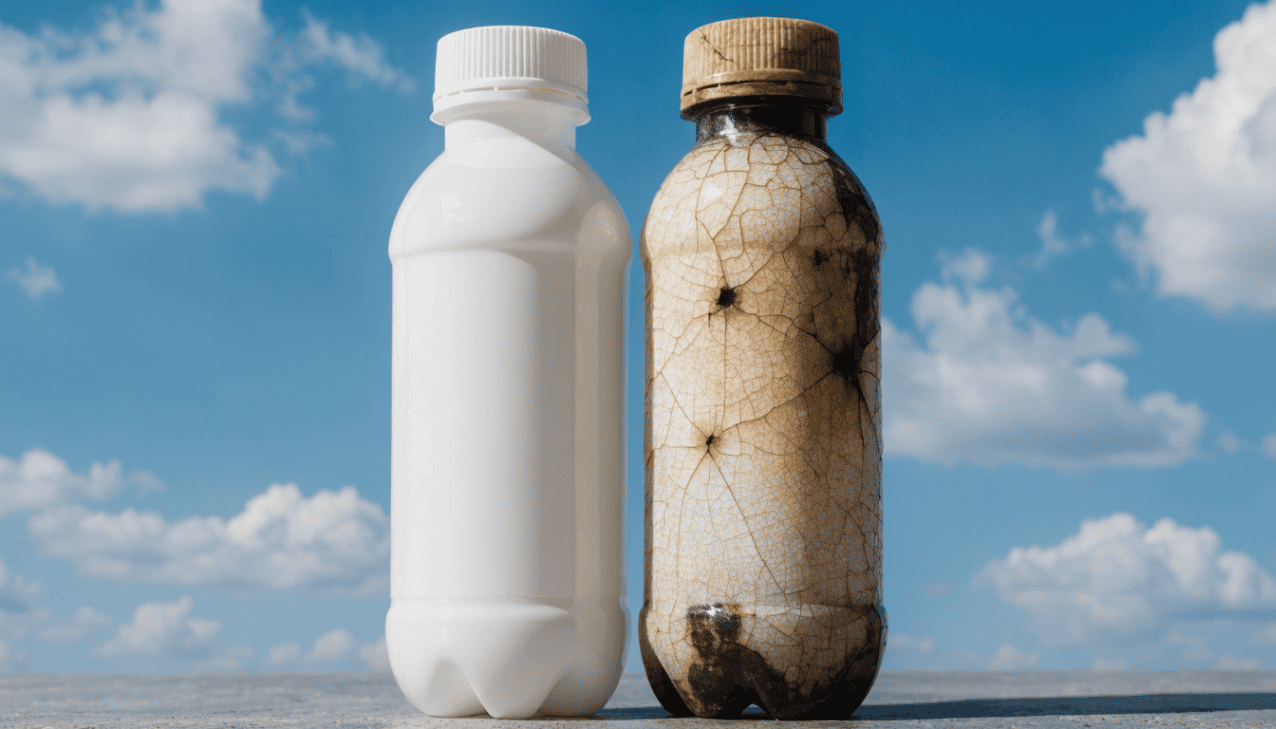
This is a silent killer for a product line. It doesn't happen immediately, but when it does, it can force you to pull all your inventory. The mistake brands make is choosing a material based only on appearance or cost. For a complex product like sunscreen, the formula dictates the material. When a client like PT. PASCAL CORPINDO SEMESTA provides us with their formula, we begin compatibility testing. We fill bottles made from different grades of PET, PE, and PP with their sunscreen and place them in an accelerated aging oven. This machine simulates 6-12 months of shelf life in just a few weeks. After the test, we check for any changes: discoloration, cracking, warping, or even any unusual odor. This scientific approach removes the guesswork. It allows us to confidently recommend the exact grade of plastic that will remain stable, pure, and safe for the entire lifecycle of the product.
How Can I Guarantee a Great User Experience?
You want customers to love using your sunscreen, but what if the spray is too aggressive, the lotion comes out in a big glob, or it takes ten pumps just to cover an arm?
You guarantee a great user experience by scientifically matching the pump's output and spray pattern to your formula's viscosity and intended use. This is achieved through controlled testing and selection of the correct pump engine.
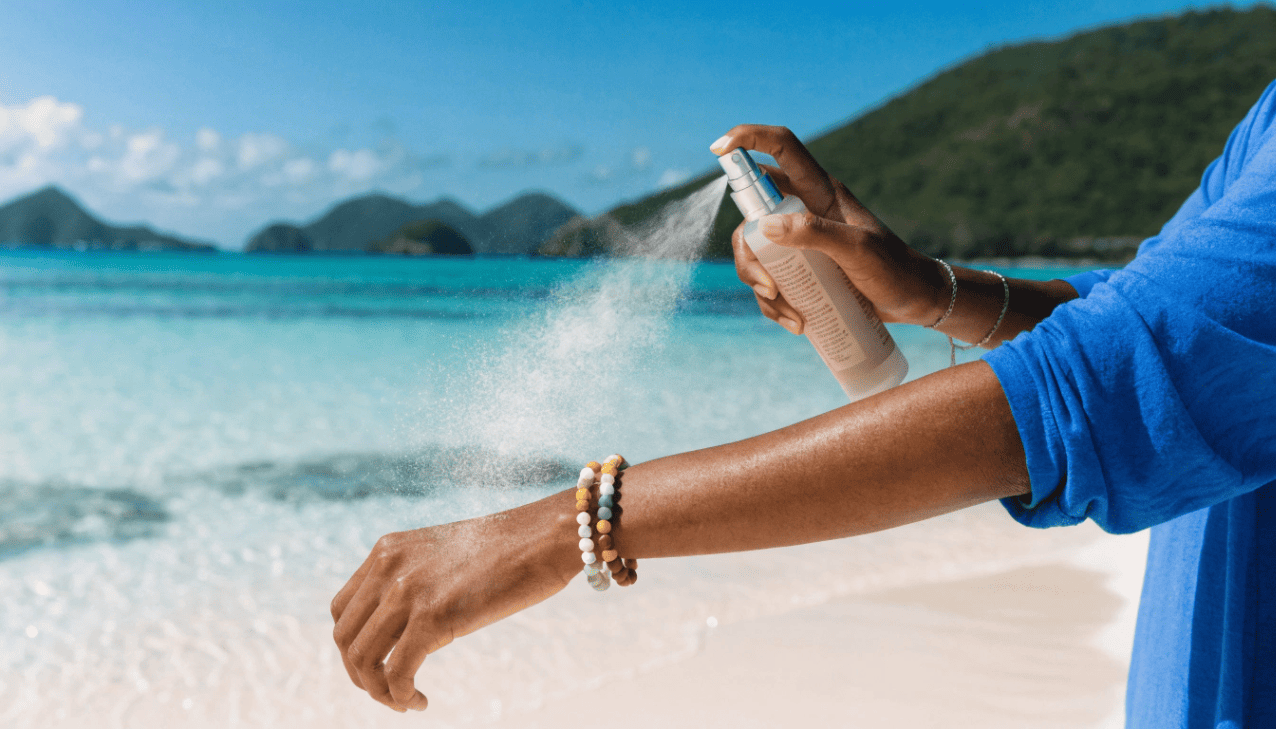
The "feel" of the application is everything. It's the difference between a product that feels like a chore and one that feels like a pleasure to use. This is controlled entirely by the pump engine. We need to answer a few key questions. Is this a light, sprayable lotion or a thick cream? For a spray, do you want a wide, fine mist for the body (requiring a 0.25ml output and a wide-angle nozzle) or a more direct spray for the scalp? For a lotion pump, do you want a 1ml dose or a larger 2ml dose? We have a library of hundreds of pump options, and we help our clients test the top contenders with their actual formula. We spray onto black cards to analyze the pattern and measure the output of ten pumps to ensure consistency. This small step in development makes a huge difference in the final product and is a major factor in driving repeat purchases.
Conclusion
Preventing sunscreen packaging failures isn't magic; it's a process of rigorous, formula-specific testing. By focusing on these five areas before mass production, you protect your investment, your reputation, and your customers.
Written by

Mike Lee
You may also be interested in:
Why Is Sunscreen Packaging More Challenging Than Skincare Packaging?
You have a great serum in a beautiful bottle and a moisturizer in a premium
How Do You Choose the Right Spray Output (0.12/0.18/0.25ml) for Your Product?
You're looking at supplier options and see a list of numbers: 0.12ml, 0.18ml, 0.25ml. You
What's the Best 50ml Fine Mist Spray Bottle for a Facial Mist?
Your facial mist formula is perfect, but the wrong spray bottle can deliver a harsh,
Why Do Some Spray Bottles Smell Like Plastic: A Material & Quality Guide?
You just received a shipment of spray bottles for your new product, but when you
