
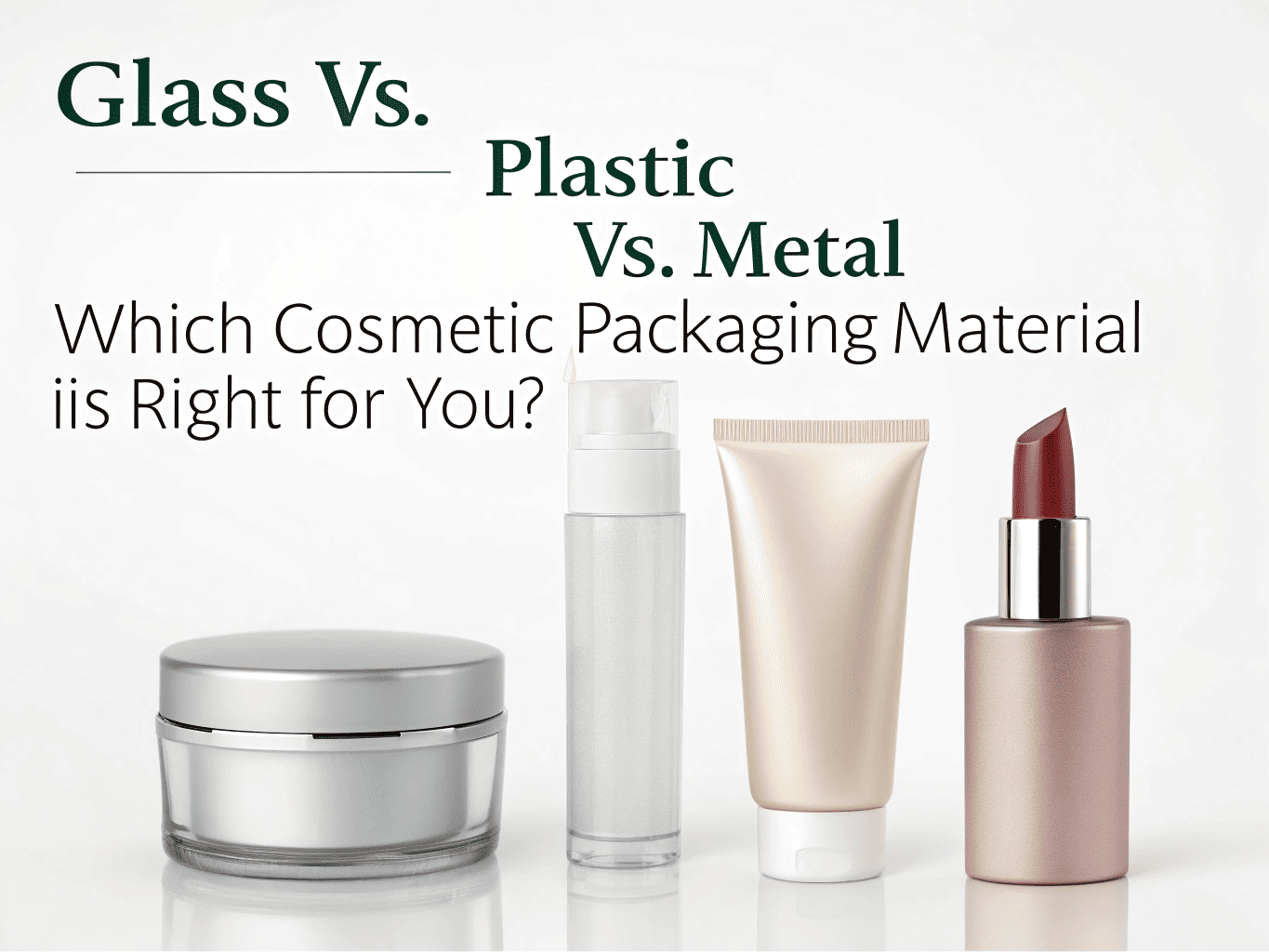
Glass vs. Plastic vs. Metal: Which Cosmetic Packaging Material is Right for You?
September 1, 2025 • Mike Lee
Confused about choosing the best material for your cosmetics? The right packaging material protects your product, aligns with your brand, and resonates with consumers.
Choosing the ideal cosmetic packaging material involves assessing product compatibility, brand identity, sustainability goals, and consumer trends to make an informed decision. Each material offers unique benefits and challenges.
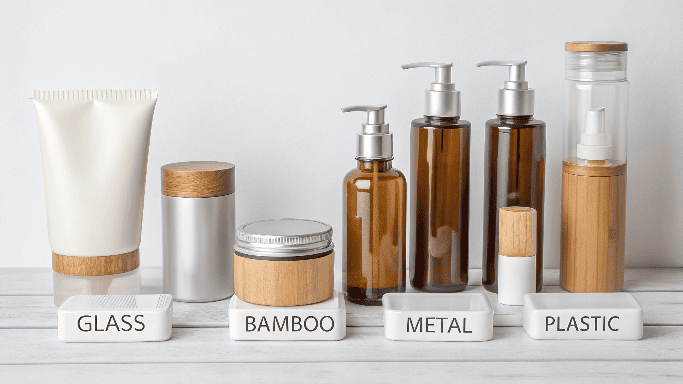
I've helped countless brands navigate material choices, ensuring their packaging matches product needs and brand aspirations. Here's a step-by-step guide to find the perfect fit.
Glass, Metal, or Plastic: Best Cosmetic Packaging Materials
Unsure how materials affect cosmetics? Different materials offer distinct advantages based on product type and brand positioning.
Glass, metal, and plastic are popular cosmetic packaging materials, each offering benefits like preservation, durability, eco-friendliness, and cost-effectiveness. Choosing the right one depends on product formulation and brand goals.
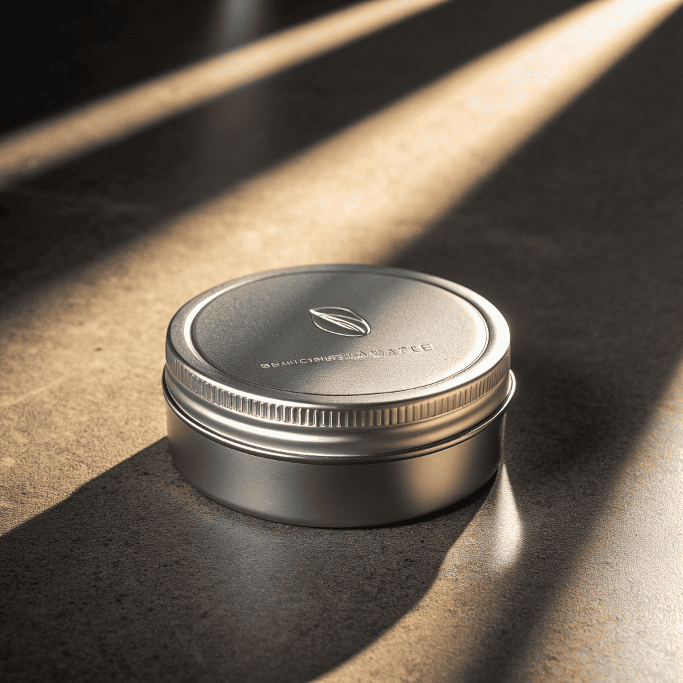
Based on extensive material research, here's how glass, metal, and plastic each serve unique purposes in cosmetic packaging:
-
Glass
- Best for: Perfumes, essential oils, serums
- Benefits: Non-reactive, premium feel, recyclable
- Challenges: Fragile, heavier, higher costs
-
Metal
- Best for: Powders, creams, balms
- Benefits: Durable, sleek appearance, protects from light
- Challenges: Limited recyclability, may react with some formulas
-
Plastic
- Best for: Body care, lotions, shampoos
- Benefits: Lightweight, cost-effective, versatile design options
- Challenges: Environmental concerns, may absorb ingredients
Choosing the right material must align with both functional needs and brand values. For example, a luxury skincare line chooses glass for its visual appeal and tactile weight, further emphasizing its premium positioning.
Glass, Bamboo, Metal, and Plastic for Skincare Packaging
Thinking about sustainable options? Explore eco-friendly material alternatives for skincare packaging.
Glass, bamboo, metal, and plastic are viable options for skincare packaging, each with unique sustainability profiles. Product compatibility and brand values help determine the best choice for eco-conscious consumers.
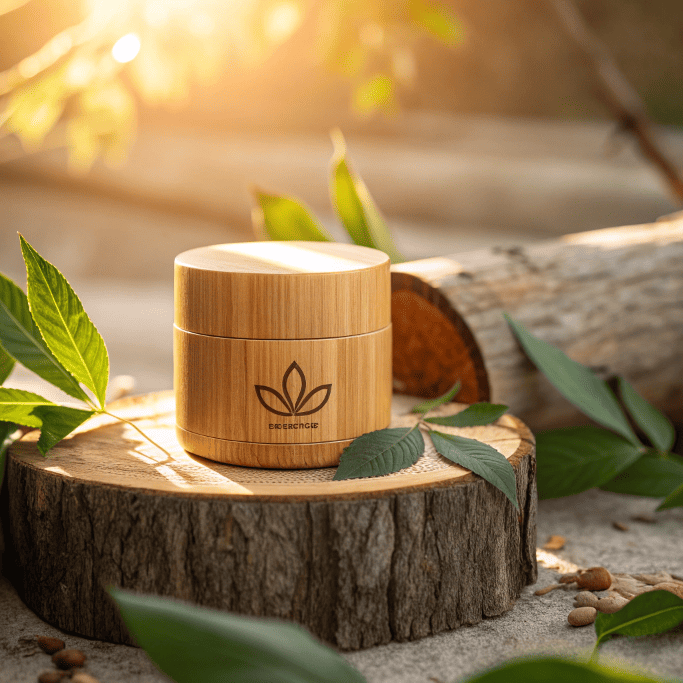
With sustainability being top-of-mind for consumers, here's how different materials can contribute to eco-friendly packaging solutions:
-
Glass
- Recyclable, visually appealing
- Ideal for high-value propositions
- Enhances clean beauty branding
-
Bamboo
- Renewable, biodegradable
- Great for natural or organic products
- Impact: Lightweight, unique aesthetic
-
Metal
- Durable, reusable
- Reduces packing waste with refill systems
- Impact: Provides premium, lasting impression
-
Plastic
- Recycling options for certain types
- Reduces cost, provides flexibility
- Impact: Requires consumer education for disposal
Consideration: A natural skincare brand combines bamboo with refillable metal components to offer a unique aesthetic while enhancing sustainability credentials, aligning with consumer values.
Best Cosmetic Packaging: Plastic vs. Metal vs. Glass
Looking to enhance brand differentiation through packaging? Optimize your material choice based on strategic brand positioning.
Choosing the best cosmetic packaging material requires evaluating product needs, brand identity, consumer preferences, and cost implications. The right choice improves product protection while enhancing brand appeal.
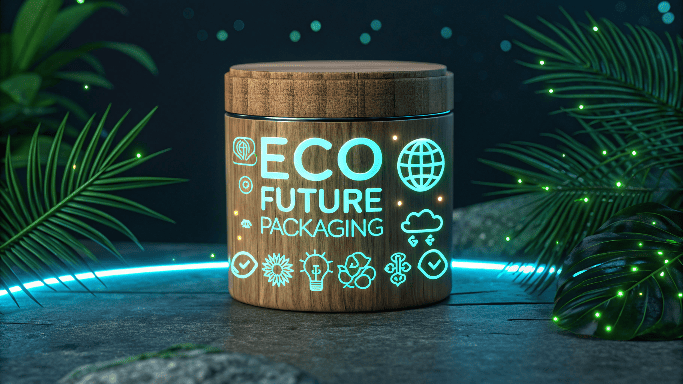
Successful material choice incorporates the following strategic considerations:
-
Product Needs Assessment
- Compatibility with ingredients
- Protection from environmental factors
- Preservation of product integrity
-
Brand Identity Alignment
- Reflecting brand values through materials
- Aligning aesthetics with target market preferences
- Communicating luxury or eco-friendly positioning
-
Consumer Preferences Insight
- Emerging trends in sustainability
- Visual/tactile appeal preferences
- Ease of use and functionality
-
Cost Implications Analysis
| Material | Cost Considerations | Market Perception |
|---|---|---|
| Glass | Higher: luxury appeal | Premium, sustainable |
| Metal | Moderate: high-end feel | Durable, protective |
| Plastic | Lower: versatile options | Practical, diverse |
Final thought: For a mass-market beauty brand aiming for eco-conscious appeal, partially switching from plastic to recyclable glass containers provided a significant perception uplift without substantial cost penalties.
Conclusion
Selecting the right cosmetic packaging material is a balancing act between product requirements, brand identity, and market trends. Each material offers unique advantages and must be evaluated against your product's specific needs and consumer expectations. Aligning material choice with brand values enhances your product’s appeal and builds stronger connections with your target audience. Remember, packaging is your brand's ambassador – let it reflect your story wisely.
Ready to upgrade your cosmetic packaging?
Our team specializes in developing custom sustainable, luxury, and functional cosmetic packaging solutions that align with your product requirements and brand vision.
👉 Contact us today to explore tailored packaging strategies that attract consumers and future-proof your brand.
Frequently Asked Questions (FAQ)
1. Which cosmetic packaging material is most eco-friendly?
Glass and bamboo are the most sustainable options for cosmetic packaging. Glass is endlessly recyclable, while bamboo is renewable and biodegradable. However, recycled plastics (rPET) can also be eco-friendly when sourced responsibly.
2. Is glass or plastic better for skincare packaging?
Glass is ideal for premium skincare products like serums and oils due to its non-reactive nature and luxury feel. Plastic, on the other hand, is lighter, more versatile, and cost-effective—making it suitable for mass-market body care and lotions.
3. What packaging materials appeal most to eco-conscious consumers?
Eco-conscious consumers increasingly prefer recycled PET, glass jars, bamboo components, and refillable metal packaging systems. These materials reduce waste, enhance sustainability credentials, and align with clean beauty trends.
4. How do packaging materials affect brand perception?
Packaging communicates your brand story instantly. Glass and metal convey luxury and quality, while bamboo and recycled plastics signal eco-friendliness and innovation. Material choice directly influences consumer trust and willingness to pay a premium.
5. Can sustainable packaging also reduce costs?
Yes. While materials like glass may have higher upfront costs, recycled plastics and refill systems often lower expenses in the long run. Many brands also report higher consumer loyalty and increased sales after adopting sustainable packaging.
Written by

Mike Lee
You may also be interested in:
What Are the Biggest Challenges in Sunscreen Packaging Manufacturing?
You have a fantastic sunscreen formula ready to go, but you're hearing horror stories about

How Can You Reduce Packaging Costs Without Compromising Sunscreen Bottle Quality?
You're trying to grow your sunscreen brand, but rising packaging costs are eating into your

The Complete Importing Guide for Spray Bottles: How Can You Simplify the Process?
You worry about complex customs paperwork and your spray bottles arriving damaged. This uncertainty can

From Molding to Assembly: How Does RLAND Ensure Consistent Spray Quality?
You receive a new shipment of spray bottles, but find that some leak and others
