

ABS vs PETG: Which Plastic Is Best for Your Cosmetic Products?
September 9, 2025 • Mike Lee
You're creating a new cosmetic line, but the choice of plastic is confusing. Pick the wrong one, and you could face cracked caps, a cheap feel, or even chemical reactions that ruin your formula and your brand.
The best plastic depends on the specific part. Use rigid, impact-resistant ABS for structural components like caps and outer casings. Use clear, tough, and chemically resistant PETG for bottles and jars that are in direct contact with the product.
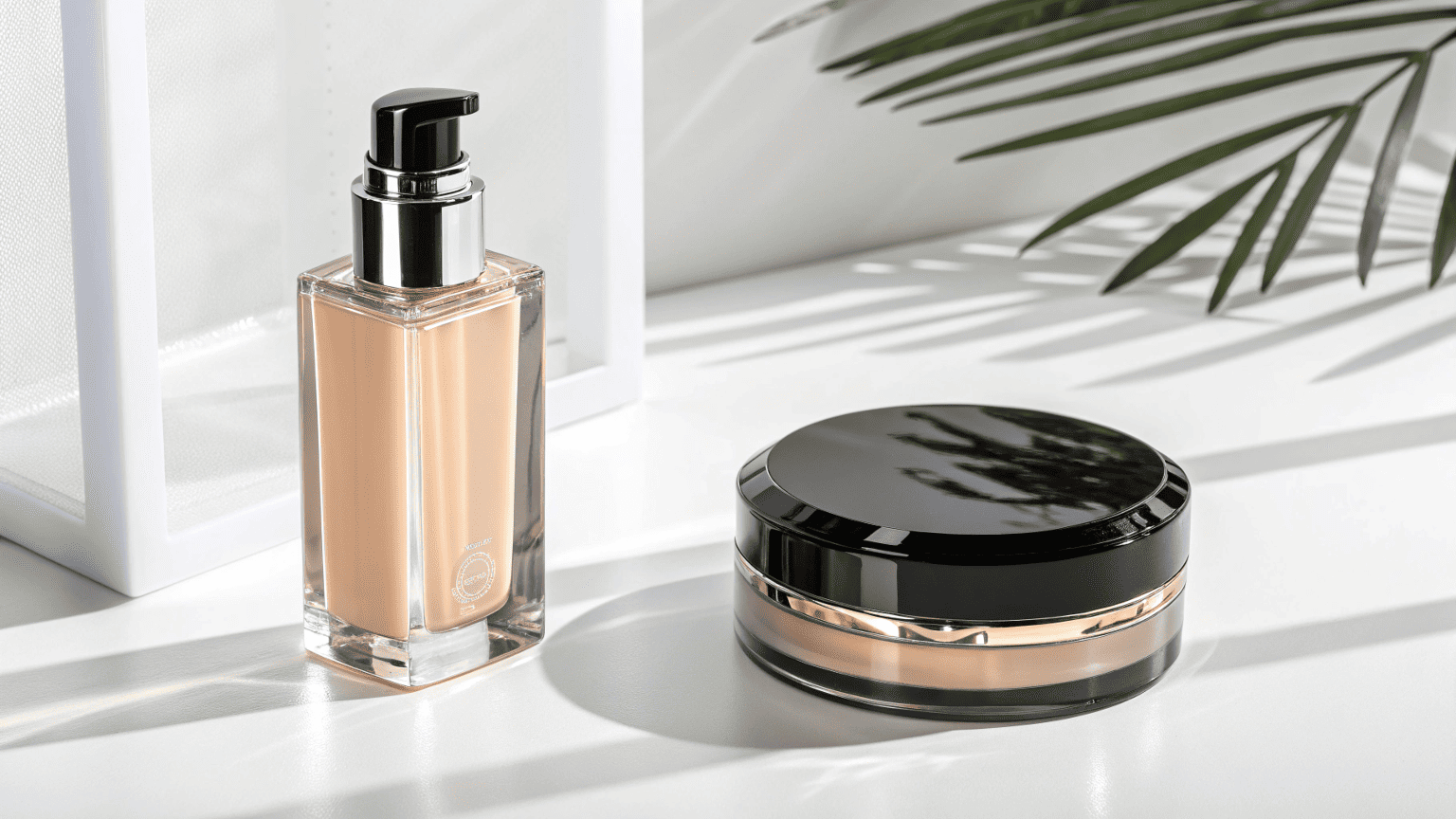
As a ghost writer for Rland, I discuss material choices with brands every day. It's a critical decision that goes beyond just looks. You are engineering the entire customer experience, from how the package feels in their hand to how it protects the product inside. It's not about just picking one plastic; it's about using the right plastic for the right job. Let's break down the properties of each.
What is the best plastic for cosmetics?
The huge list of plastic types is overwhelming. If you choose the wrong one, your beautiful packaging could fail quality tests, or worse, have a bad reaction with your carefully developed formula.
There is no single "best" plastic for everything. The ideal choice changes with the application. PETG is excellent for product containers due to its glass-like clarity and chemical resistance. ABS is superior for its strength, making it perfect for protective parts like caps and casings.
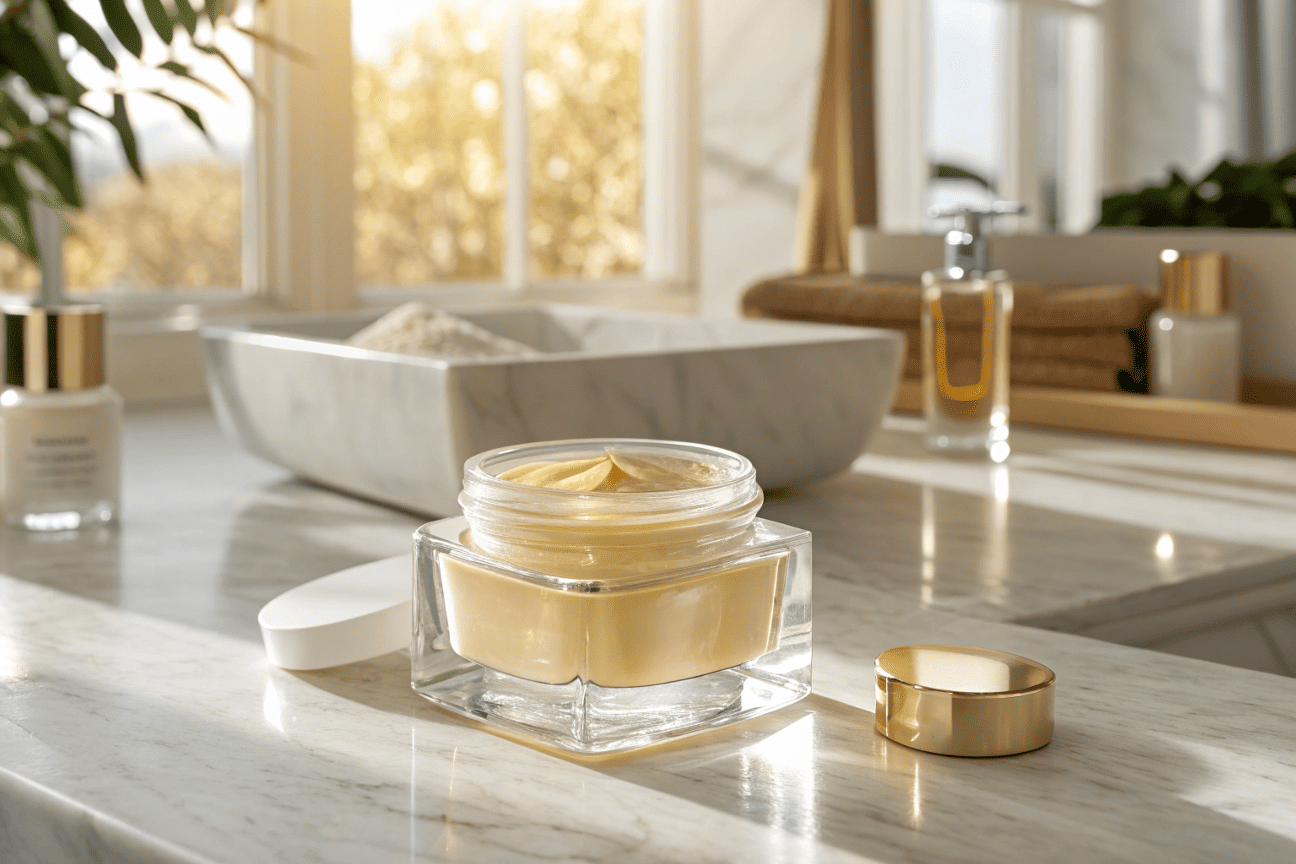
In my experience, the most successful brands don't look for one miracle material. They choose the best material for each specific part of the package. A cosmetic product is a system, and each part has a different job. The main container needs to hold the formula safely and look good. The cap needs to seal tightly and withstand being opened and closed hundreds of time. This is where my insight becomes so important. You have to match the material's properties to its function.
PETG (Polyethylene Terephthalate Glycol) is a fantastic choice for the main bottle or jar. Its biggest advantages are its excellent clarity and good chemical resistance. It looks a lot like glass, so you can show off the color and texture of your product. It’s also tough and less brittle than some other clear plastics.
On the other hand, ABS (Acrylonitrile Butadiene Styrene) is an an opaque plastic known for its extreme toughness and rigidity. It’s the same stuff LEGO bricks are made from. It doesn’t bend or break easily. This makes it perfect for parts that need to be strong and durable, like bottle caps, the outer shell of a lipstick, or the case for a powder compact.
| Part Application | Recommended Plastic | Key Reason |
|---|---|---|
| Bottle or Jar | PETG | Clarity, chemical resistance, toughness |
| Dispensing Pump | PP (Polypropylene) | Chemical resistance, durability |
| Lid or Cap | ABS | Impact strength, rigidity, premium feel |
| Compact Case | ABS | Impact strength, satisfying "click" closure |
Why ABS instead of PETG?
You need a component that feels solid, premium, and won't break if dropped. Using a more flexible plastic like PETG for a cap could lead to a loose fit, cracks, and a feeling of low quality.
Choose ABS instead of PETG when you need superior hardness, impact strength, and a premium finish. ABS is ideal for durable parts that require a solid feel and can be easily decorated, such as luxury caps, closures, and dispenser collars.
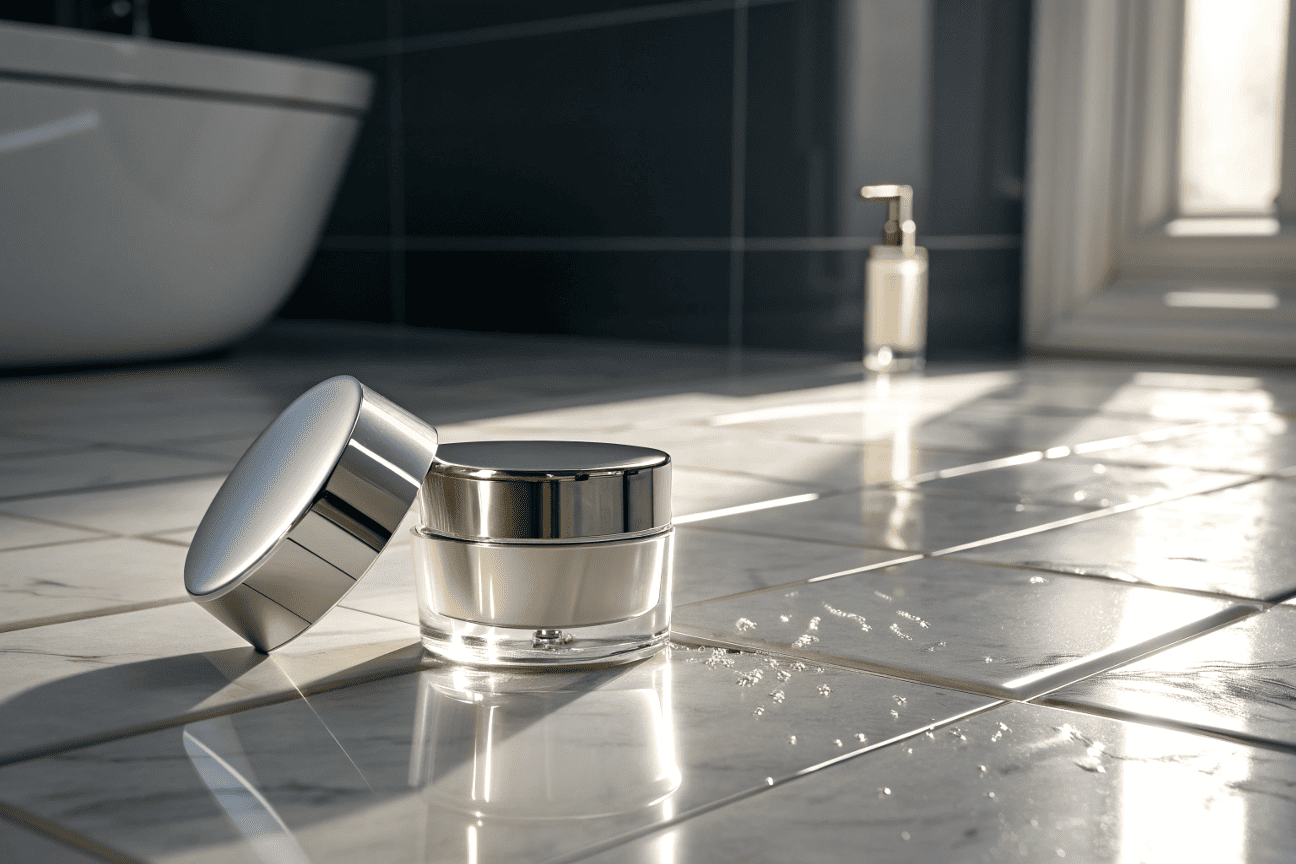
This choice comes down to the feeling of quality and long-term durability. Based on my insights, when a brand wants something to feel sturdy and substantial, I immediately point them toward ABS. Imagine your customer drops their expensive face cream. The lid hits the tile floor. A lid made from a more brittle plastic might crack or shatter. An ABS lid is far more likely to survive without a scratch. That durability directly translates into a perception of high quality.
Then there is the sensory experience. ABS allows for precision molding that creates that satisfying, crisp "click" when you close a compact. It can be molded into thick, heavy-walled parts that feel expensive in the hand. PETG is tough, but it's also more flexible, which doesn't always give that same solid, luxurious impression for a structural part.
Furthermore, ABS is a dream to work with for decoration. It provides a perfect surface for advanced finishing processes like vacuum metallization (to get a shiny chrome look), spray painting, and hot stamping. If you want a cap to have a glossy piano black finish or a brushed metal effect, ABS is often the easier and more reliable material to use.
Is PETG or ABS more toxic?
You are deeply concerned about consumer safety and regulations. The thought of your packaging leaching harmful chemicals into your skincare formula is a brand's worst nightmare, leading to recalls and lost trust.
When used for the correct applications, neither plastic is toxic. PETG is FDA-approved for food contact and possesses excellent chemical resistance, making it very safe for direct contact with skincare formulas. ABS, used for external parts, is inert and poses no safety risk.
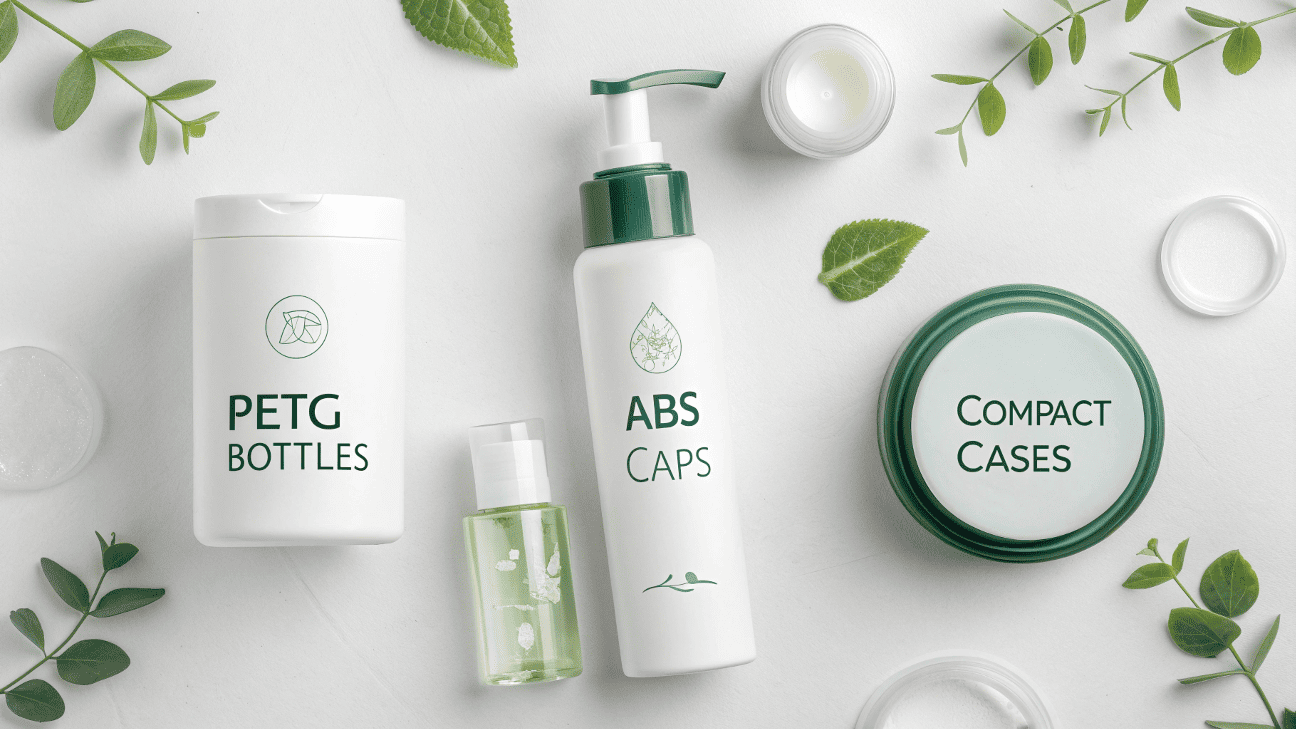
This is a question I get all the time, and it's a very important one. The answer lies in understanding the chemistry and intended use of each plastic. PETG is a go-to choice for the bottle itself—the part that touches the formula—for a reason. It is a very stable and non-reactive polymer. That's why it's widely approved by regulatory bodies like the FDA for food and beverage containers. It doesn't easily react with the chemicals in cosmetic formulas, so the risk of anything "leaching" from the plastic into your product is extremely low. This ensures your product remains pure and safe.
ABS is a different story, not because it's toxic, but because its role is different. Because it is less chemically resistant than PETG, we don't typically recommend it for direct contact with formulas, especially complex ones. However, as I've mentioned, its strength makes it perfect for external parts like caps, lids, and decorative shells. In these applications, it's completely safe. It is an inert, stable solid that doesn't pose any risk to the consumer through handling. My core insight is to use the right tool for the job: PETG for formula contact, ABS for everything else.
Conclusion
Choose materials strategically. Use clear, chemically resistant PETG for bottles and jars touching the formula. For sturdy, premium-feel caps and outer casings that need durability, impact-resistant ABS is your best choice.
Written by

Mike Lee
You may also be interested in:
Why Is Sunscreen Packaging More Challenging Than Skincare Packaging?
You have a great serum in a beautiful bottle and a moisturizer in a premium
How Can You Prevent the Top 5 Sunscreen Packaging Failures?
Your sunscreen launch is at risk from hidden packaging flaws. These issues often appear post-launch,
What Are the Biggest Challenges in Sunscreen Packaging Manufacturing?
You have a fantastic sunscreen formula ready to go, but you're hearing horror stories about
How Do You Choose the Right Spray Output (0.12/0.18/0.25ml) for Your Product?
You're looking at supplier options and see a list of numbers: 0.12ml, 0.18ml, 0.25ml. You
