Why Is Sunscreen Packaging So Much More Challenging Than Regular Skincare Packaging?
December 16, 2025 • Mike Lee
You think a bottle is just a bottle, right? You assume the elegant packaging that works for your best-selling lotion will be perfect for your new sunscreen formula, but this is a costly mistake.
Sunscreen packaging is uniquely difficult because its aggressive ingredients attack plastics, its thick formula clogs pumps, and its use in extreme environments (heat, travel) creates a massive risk of leakage, pump failure, and product recalls.
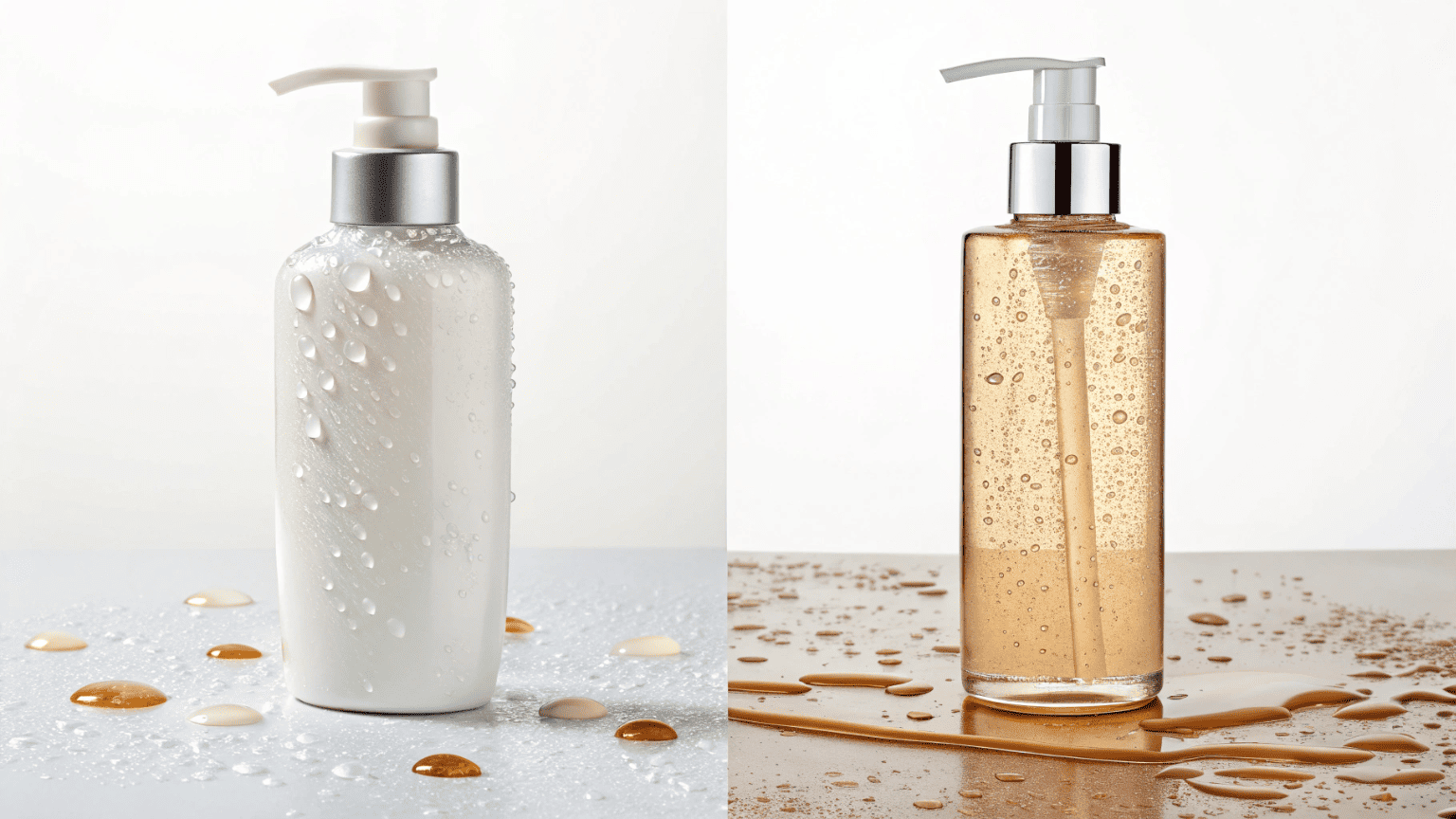
This is not a theoretical problem. I once had a client come to me after a major product recall. They launched a beautiful sunscreen in a bottle that was perfect for their facial serum. But after three months on the shelf and in customers' beach bags, the bottles started to discolor, and the pumps began to fail. The chemical UV filters in their formula had literally started to break down the plastic from the inside. They learned a hard lesson: sunscreen formulas are bullies, and they require packaging that is specifically engineered to stand up to them.
Why do sunscreen formulas destroy ordinary plastic bottles?
You've selected a beautiful stock bottle that looks great and feels good in the hand. You're confident it's the right choice, but you're not considering how the aggressive ingredients inside will react with it over time.
Unlike gentle lotions, sunscreen formulas contain chemical UV filters and high oil content that can chemically react with standard plastics. This reaction can cause the bottle to become brittle, swell up, or even discolor, ruining the product.

A bottle that looks fine during filling can be a disaster waiting to happen. The real test isn't on day one; it's after six months in a hot warehouse or a customer's car. This is why simple visual inspection is not enough. We have to perform rigorous material compatibility testing. We expose different types of plastic (like PET, PP, and PE) to the client's specific sunscreen formula under accelerated aging conditions (heat and light) to see which material holds up.
| Skincare Type | Key Ingredients | Interaction with Plastic |
|---|---|---|
| Typical Hydrating Toner | Water, Hyaluronic Acid, Glycerin | Minimal to none. Very gentle and stable. |
| Typical Sunscreen | Avobenzone, Oxybenzone, Zinc Oxide, High Oil % | Highly aggressive. Can cause swelling, cracking, and discoloration. |
Only by doing this testing can we confidently choose a material that guarantees the stability and safety of your product for its entire shelf life.
How can you prevent sunscreen sprays from clogging and failing?
You've created a lovely spray sunscreen, but the nozzle keeps getting clogged with particles. Customers complain about an uneven, sputtering mist that ruins their experience, and you're worried about pump failure.
Preventing failure requires specialized pump engineering. Sunscreen formulas are thick and contain mineral powders, so they demand pumps with precise output control, wider internal channels, and robust mechanisms that are proven through extensive lifecycle testing.

A spray pump for a water-like facial mist is simple. A spray pump for a sunscreen is a high-performance engine. The difference is in the details. Mineral particles like titanium dioxide and zinc oxide are the primary cause of clogging. The thicker viscosity of the formula also puts more stress on the pump's rebound mechanism. A cheap pump will work a few times and then fail to come back up. A high-quality sunscreen pump is designed specifically to handle this abuse. At our facility, we don't just assemble pumps; we test them. We run them through thousands of cycles with the actual client formula to ensure a consistent spray volume and a clog-free experience from the first spray to the last.
What makes sunscreen bottles leak so often during travel?
A customer throws your sunscreen into their beach bag or checked luggage. They open their bag later to find a greasy, leaked mess. This common failure destroys customer trust and leads to negative reviews.
Sunscreen bottles leak because they are exposed to extreme pressure and temperature changes (flights, hot cars) that standard bottles aren't designed for. This causes air inside to expand, forcing the product out through the cap or pump seals.
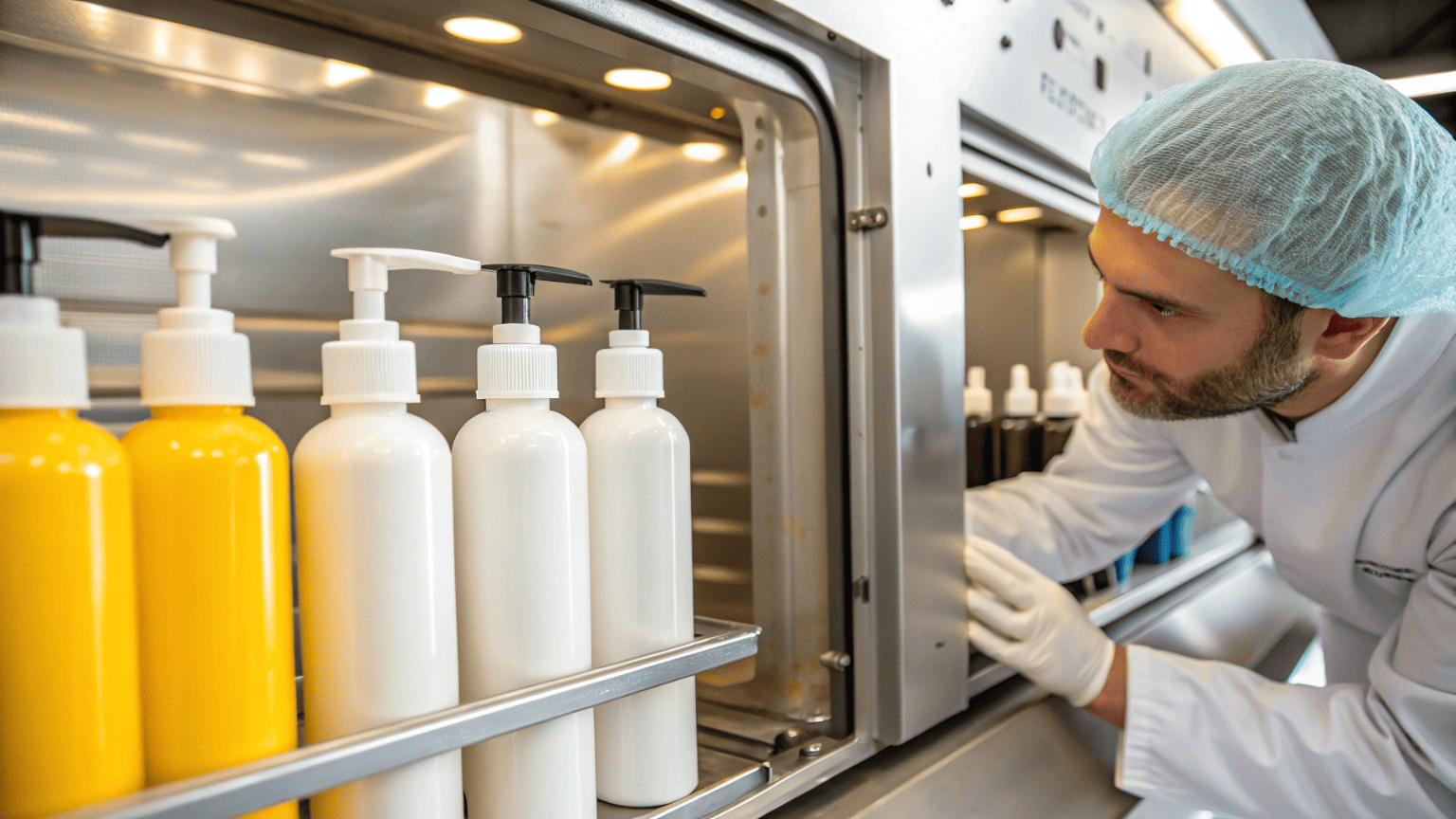
For a travel-size sunscreen, being leak-proof is not a feature; it is the entire point. Most brands don't realize that a bottle that is perfectly sealed at sea level can easily fail at 30,000 feet in an airplane's cargo hold. At our manufacturing facility, we conduct specific, rigorous tests to prevent this. We don't just screw the caps on tightly. We simulate real-world conditions:
- Heat Exposure Test: Bottles are kept at high temperatures (e.g., 50°C / 122°F) to see if heat causes leakage.
- Transportation Vibration Test: We use a shake table to simulate the vibrations of a long truck journey or flight.
- Vacuum Leakage Test: We place bottles in a vacuum chamber to simulate altitude changes and ensure they remain sealed.
Only a bottle that passes all three tests is reliable enough for a sunscreen product.
How can you balance sustainability goals with product safety?
You want to use eco-friendly packaging like high-ratio PCR or a cool refillable design. However, you're worried that these sustainable materials might not be strong enough to handle your aggressive sunscreen formula.
You must treat sustainability as a careful optimization process, not a simple switch. Start by testing your formula's compatibility with lower PCR percentages (e.g., 30%) and work with a manufacturer to find the highest possible ratio that doesn't compromise safety or function.
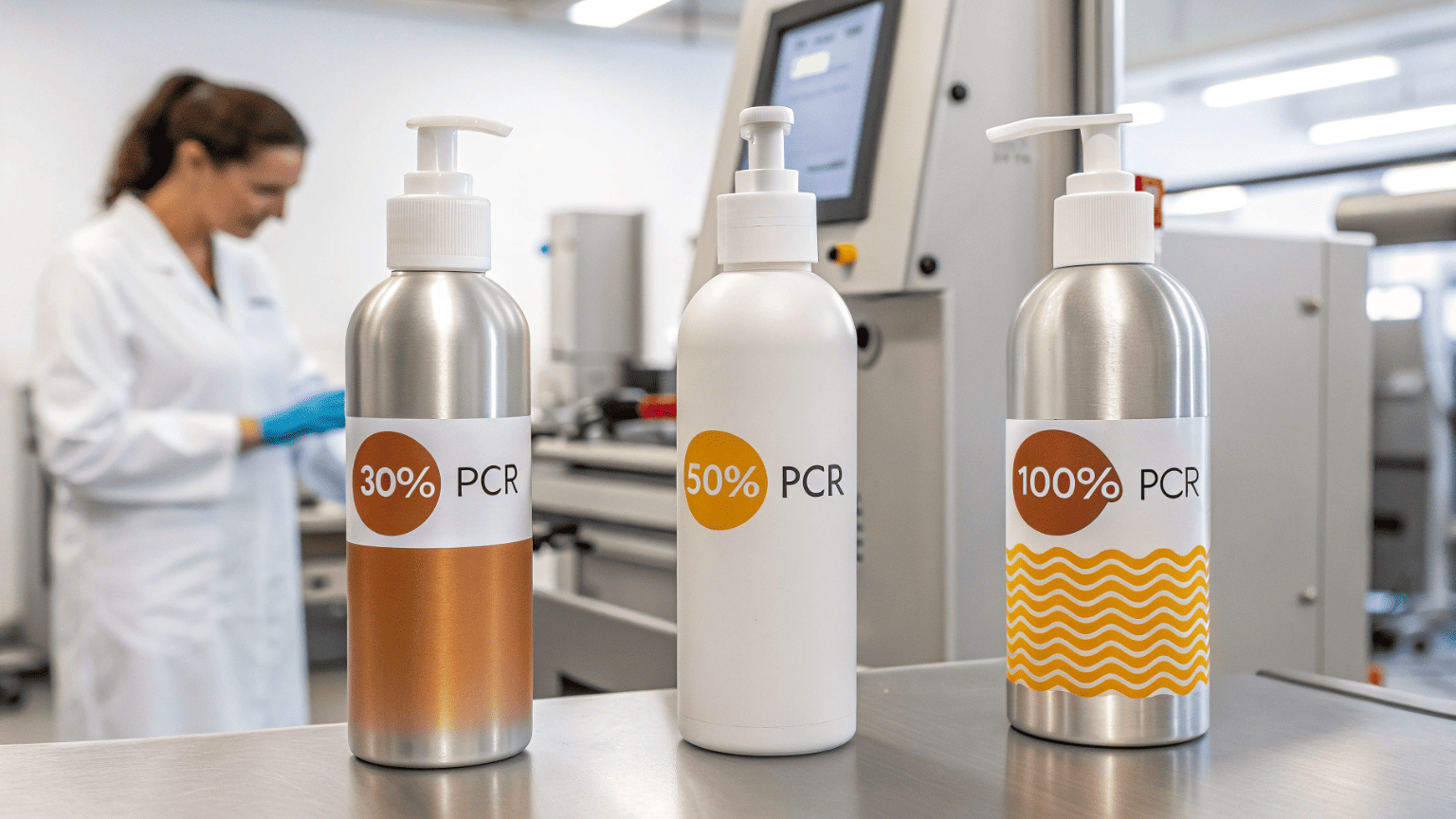
This is the new frontier of challenges. Everyone wants to be sustainable, but with sunscreen, you can't just switch to a 100% PCR bottle and hope for the best. The reality is that the reprocessing of plastic can sometimes reduce its chemical resistance. An aggressive sunscreen formula might be stable in a virgin PET bottle but could cause a 100% PCR PET bottle to fail. An experienced manufacturer will guide you through this. We help brands find the sweet spot. We might recommend a 30% or 50% PCR bottle that we have tested and validated for stability. Or, for a brand committed to a zero-plastic message, we might suggest an aluminum bottle, which offers excellent protection and is infinitely recyclable. The goal is progress, not perfection at the cost of safety.
Conclusion
Sunscreen packaging is a specialized engineering field, not a simple choice. Success requires a deep technical understanding of materials, pump mechanics, and rigorous testing, which is why partnering with an experienced manufacturer is critical.
Written by

Mike Lee
You may also be interested in:
How Can You Prevent the Top 5 Sunscreen Packaging Failures?
Your sunscreen launch is at risk from hidden packaging flaws. These issues often appear post-launch,
How Do You Choose the Right Spray Output (0.12/0.18/0.25ml) for Your Product?
You're looking at supplier options and see a list of numbers: 0.12ml, 0.18ml, 0.25ml. You
What's the Best 50ml Fine Mist Spray Bottle for a Facial Mist?
Your facial mist formula is perfect, but the wrong spray bottle can deliver a harsh,
Why Do Some Spray Bottles Smell Like Plastic: A Material & Quality Guide?
You just received a shipment of spray bottles for your new product, but when you