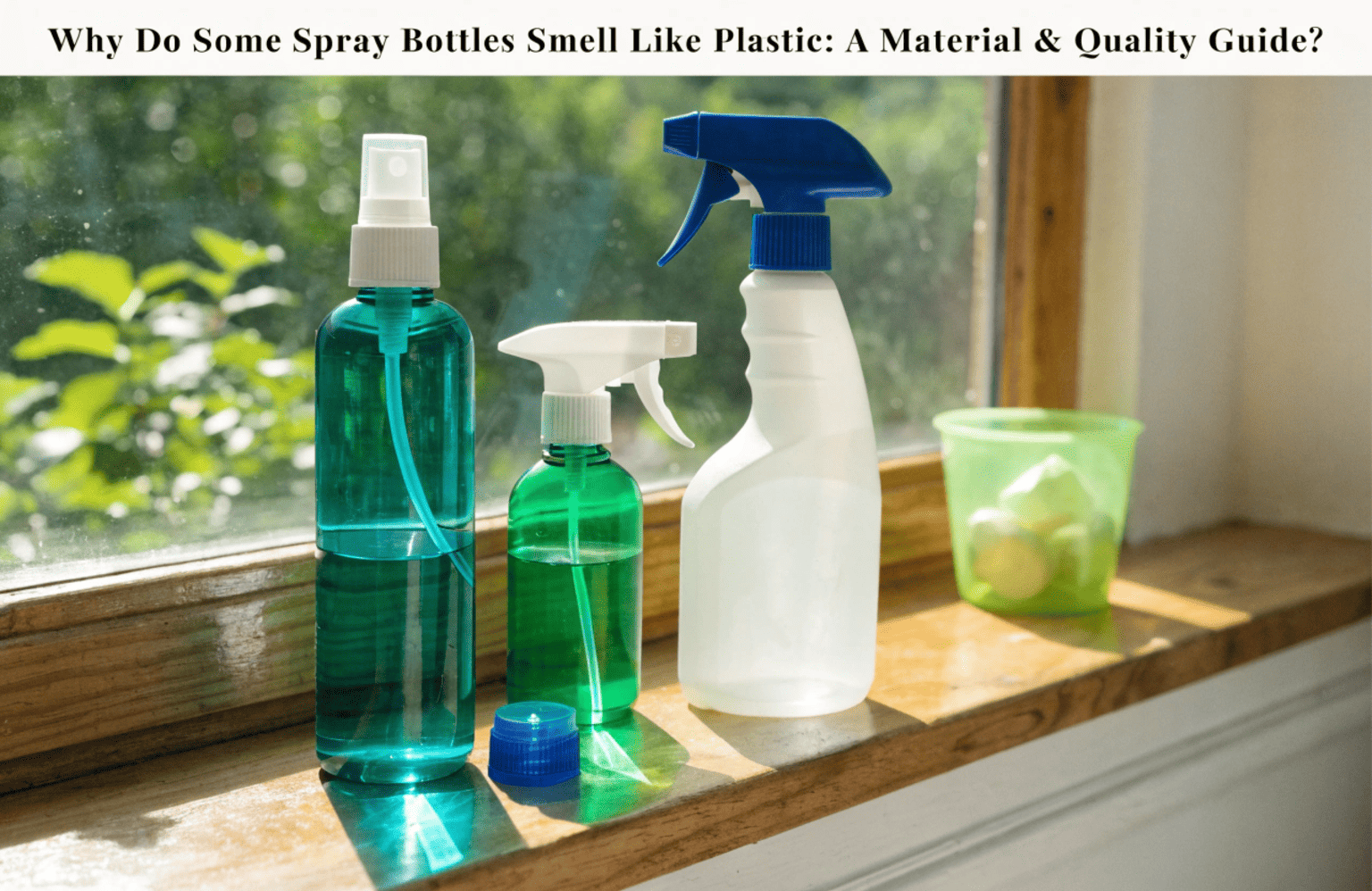
Why Do Some Spray Bottles Smell Like Plastic: A Material & Quality Guide?
February 19, 2026 • Mike Lee
You just received a shipment of spray bottles for your new product, but when you open the box, you're hit with a distinct chemical, plasticky odor. You immediately worry if this smell will transfer to your carefully crafted formula, ruining the customer's experience and making your product seem cheap.
That unpleasant plastic smell is almost always a sign of low-quality materials. It's caused by volatile compounds found in cheap, recycled plastics or from residual chemicals left over from improper manufacturing. Premium, virgin-grade plastic from a certified source does not have this issue.
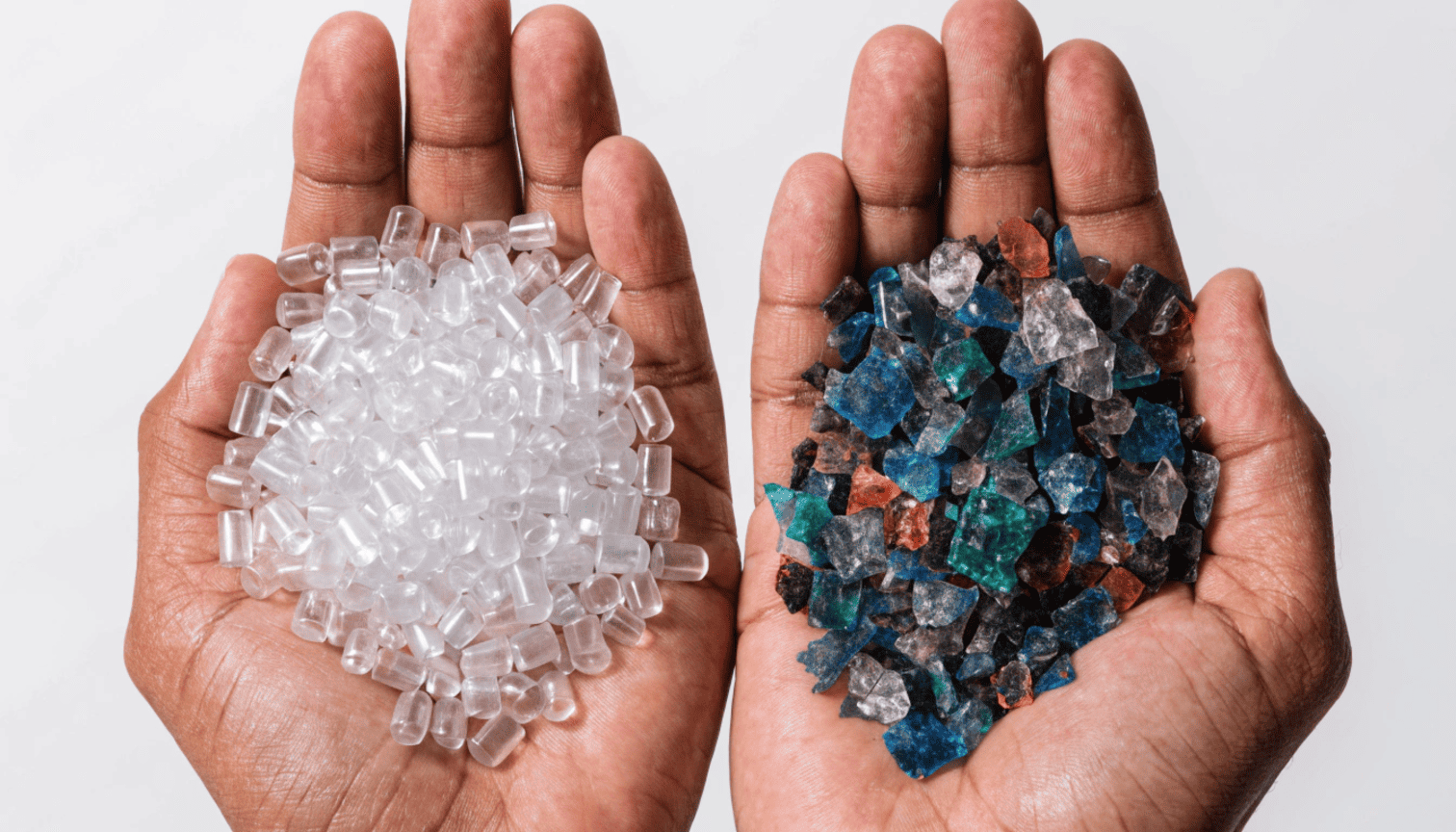
I once had a conversation with a brand owner who was at her wit's end. She had developed a beautiful, subtly scented organic facial mist. Her first production run, done with a low-cost supplier, was a disaster. Every single bottle had a faint chemical smell that completely overpowered the delicate scent of her product. She had to scrap the entire batch. When she came to us, the first thing we showed her was not a finished bottle, but our raw material storage. We showed her the sealed bags of virgin pellets from trusted suppliers, complete with their SGS inspection reports. For her, seeing that commitment to the source material was everything. It's a lesson I carry with me: the quality of the final bottle is decided before the plastic is even melted.
Why Does Your Plastic Bottle Have That Chemical Smell?
You've sourced what you thought were standard plastic bottles, but the smell is undeniable. You're trying to understand if this is normal or a serious red flag for your product's quality and safety.
The smell comes from volatile organic compounds (VOCs) and residual mold-release agents. These are common in low-grade, recycled plastics that contain impurities, or when a factory uses cheap processing aids to speed up production.
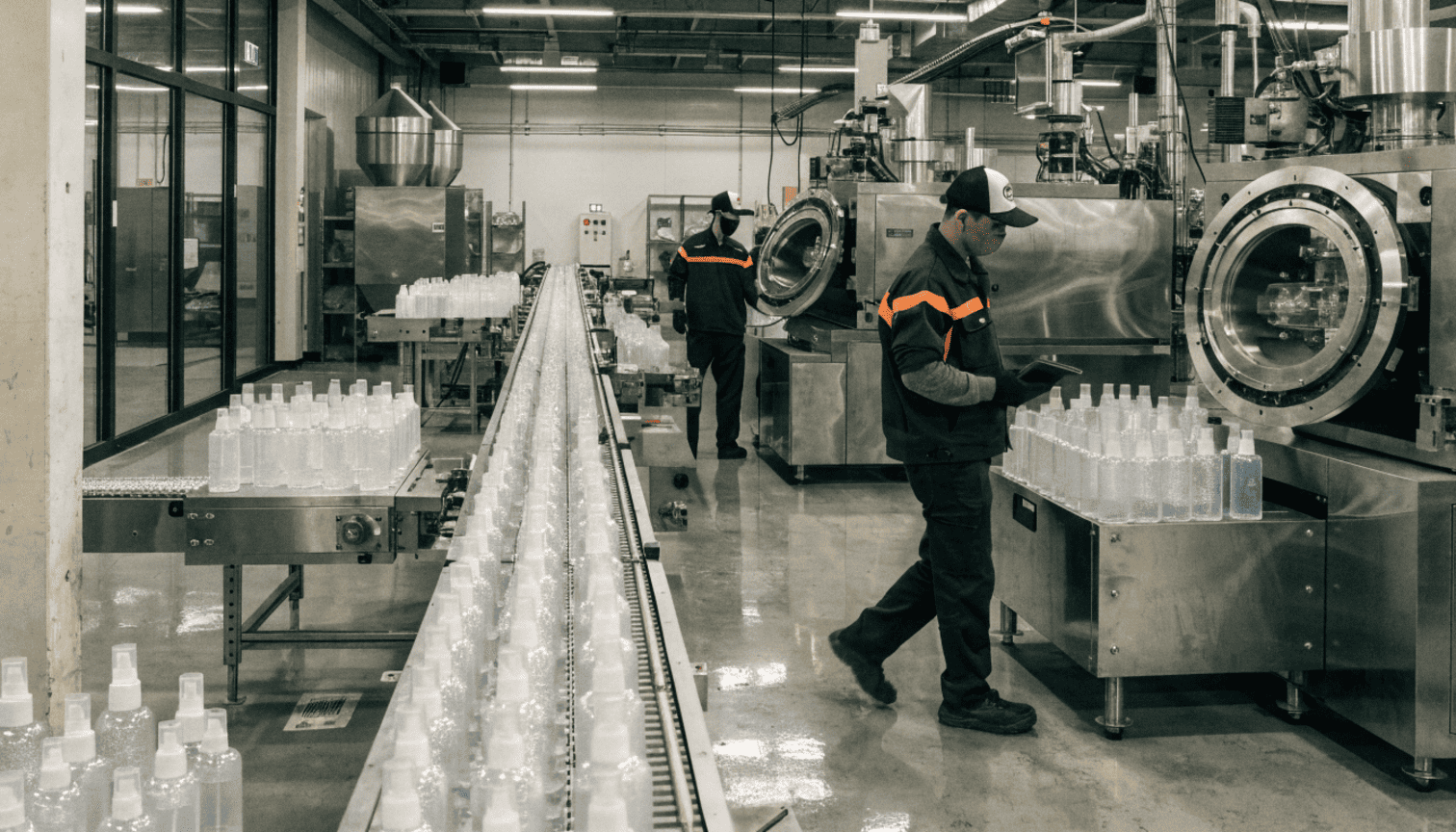
Let's get technical for a moment. That "plastic" smell isn't from the plastic itself, but from what's being released from it. Your insight points to the number one culprit: recycled materials. When plastics are recycled, they can be contaminated with residues from their previous life—food, chemicals, oils, etc. When this mixed-quality plastic is melted down, these impurities can vaporize, leaving odorous compounds trapped in the new bottle. This is why our factory policy is absolute: we only use 100% virgin raw materials, and every batch is accompanied by an SGS or other certified inspection report. The second cause is poor manufacturing practices. Some factories use excessive mold-release agents to get bottles out of the mold faster. If not properly managed, these oily or waxy chemical agents can leave a residue on the bottle, creating an off-smell. Proper quality control, clean machinery, and using high-quality, built-in release agents within the plastic itself prevent this entirely.
Root Causes of Plastic Odor
| Cause | Description | How to Avoid It |
|---|---|---|
| Recycled Materials | Impurities and contaminants from previous uses are trapped in the plastic. | Insist on 100% virgin materials. |
| Low-Grade Resin | Cheaper polymers can contain more unreacted monomers that release odors. | Demand certified, branded raw materials. |
| Processing Aids | Excessive or cheap mold-release sprays can leave a chemical residue. | Partner with a factory with high-tech molding processes. |
| Contamination | Storing bottles in an area with other chemicals before shipment. | Ensure your supplier has a clean, controlled warehouse. |
How Can You Remove the Smell From a Plastic Spray Bottle?
You have a batch of bottles with a slight odor, and you want to know if they can be salvaged. Or perhaps you're a consumer who wants to reuse a bottle but need to get rid of a lingering scent.
For mild odors, washing thoroughly with soap and warm water, followed by air drying, can help. For persistent smells, a soak in a solution of water and white vinegar or baking soda can neutralize the odor-causing compounds.
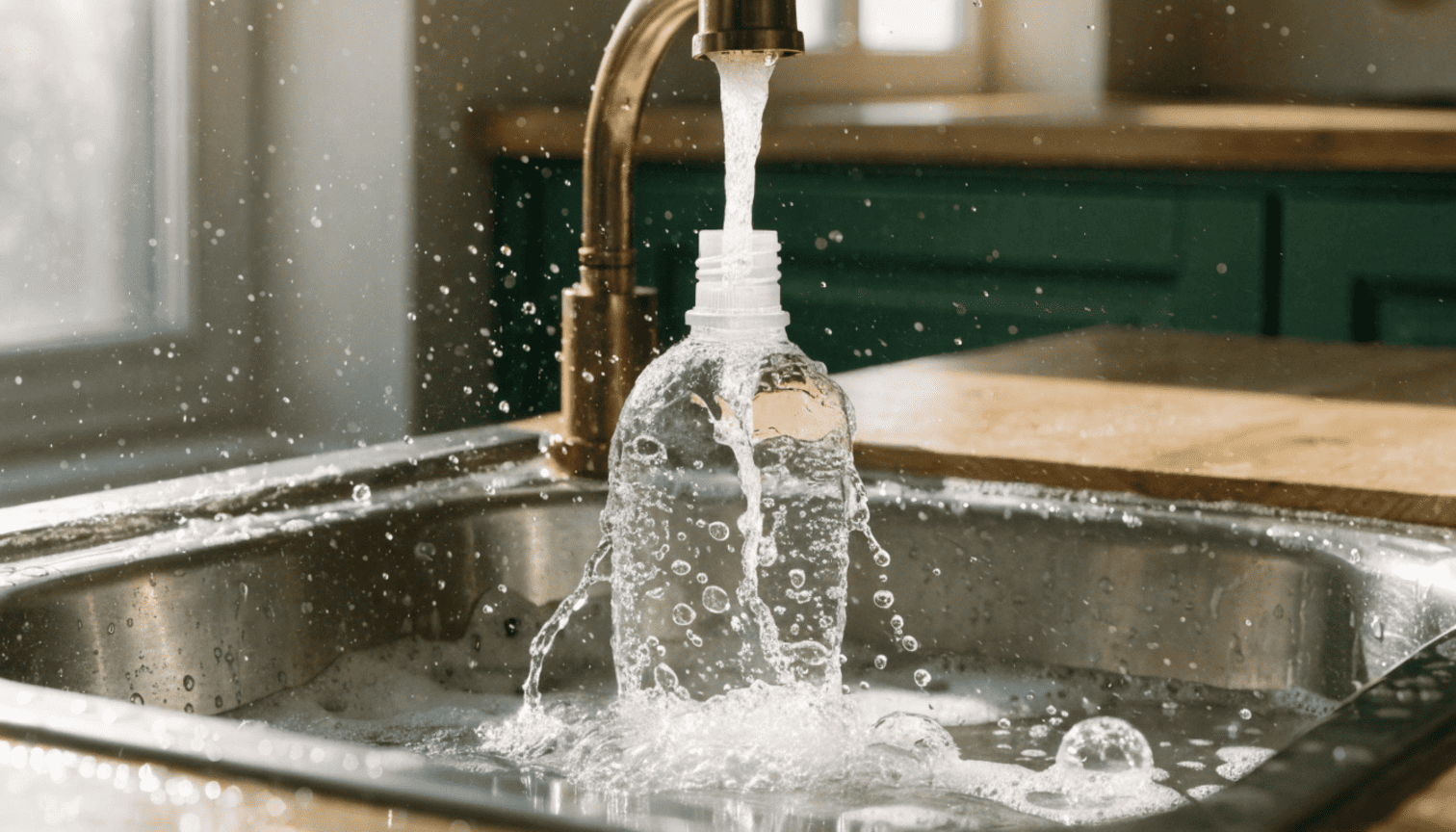
While it's best to start with an odor-free bottle, there are ways to deal with minor smells. The first step is a simple but thorough wash. Use a mild dish soap and warm (not hot) water, and be sure to use a bottle brush to scrub the interior surfaces. After washing, rinse completely and let it air dry with the cap off. This allows any remaining volatile compounds to dissipate. If the smell persists, the next step is to use a natural acid or base to neutralize it. Fill the bottle with a 50/50 solution of white vinegar and water, or a mixture of a tablespoon of baking soda in a full bottle of water. Let it soak for several hours or overnight, then wash and rinse again. However, this is a rescue measure. For a brand owner like Shubihika at RAS BEAUTY, this process is not scalable or acceptable. The need for post-production cleaning is a massive red flag about the supplier's quality. A premium product deserves premium, odor-free packaging right out of the box.
What Does BPA Smell Like, and Should I Be Worried?
You hear about BPA in plastics and naturally associate it with a chemical smell. You worry that if you can smell the plastic, it must contain this harmful chemical.
BPA (Bisphenol A) itself is odorless. A plastic bottle that smells bad does not necessarily contain BPA, and a bottle that has no smell is not guaranteed to be BPA-free. The two issues—odor and BPA content—are completely separate.
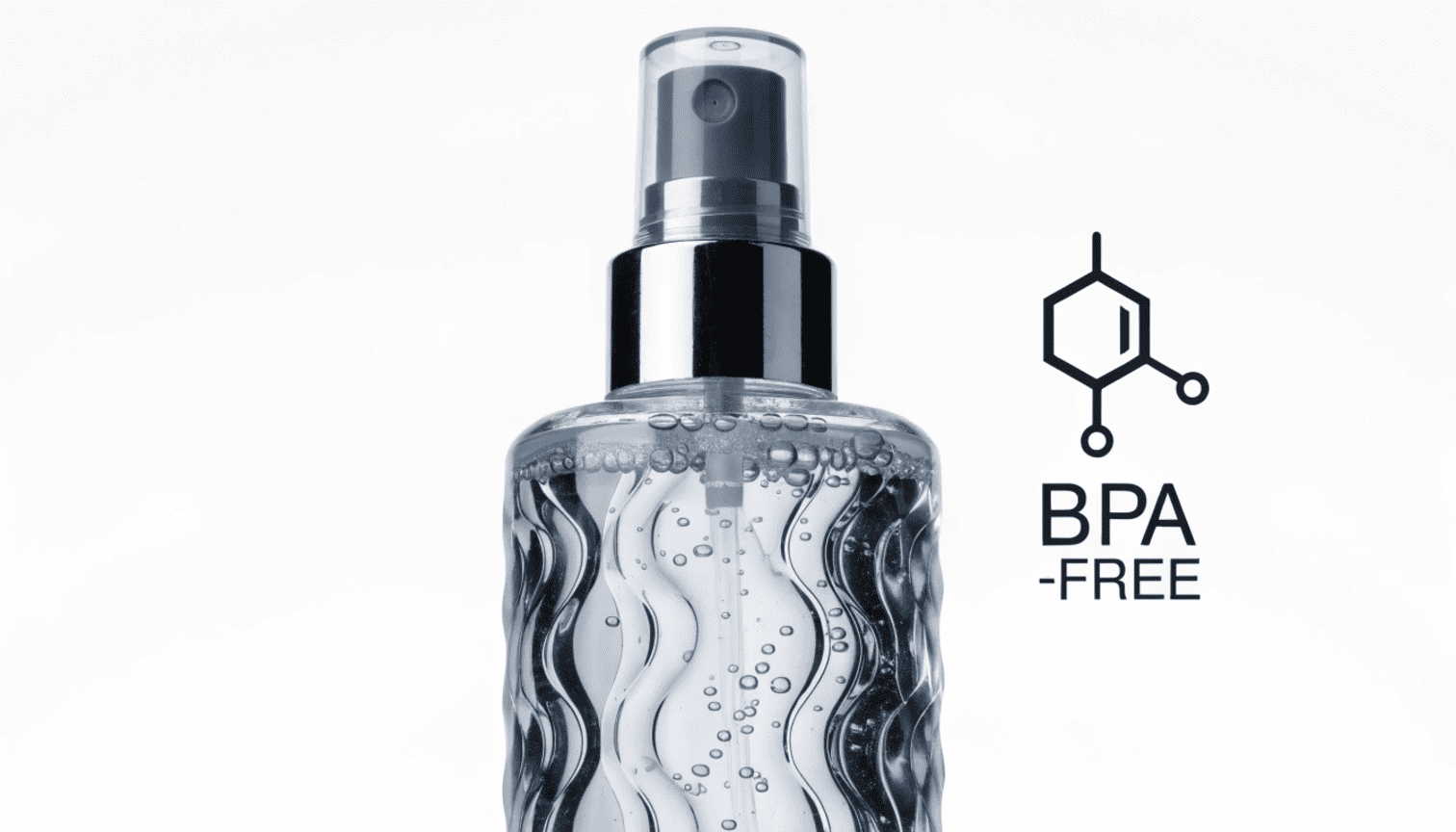
This is a very common and important misconception to clear up. The fear around BPA is related to its potential to leach from certain types of plastic (like polycarbonate, #7) into food or beverages, not its smell. The plastics most commonly used for cosmetic spray bottles today, such as PET (#1) and PP (#5), do not use BPA in their manufacturing process. So, when you source a standard PET spray bottle, it is inherently BPA-free. The smell you might encounter comes from the issues we discussed earlier—recycled content or processing residues. The only way to be certain about safety and composition is through certification. Don't rely on your nose to detect BPA. Instead, demand documentation from your supplier. For every project, we provide our clients with material safety data sheets (MSDS) and SGS or FDA-grade compliance reports for the specific resin we are using. This is how a brand like Sani's, which requires full regulatory compliance, can have complete confidence that their packaging is not only odor-free but also verifiably safe for their customers.
Conclusion
A plastic smell in your spray bottles is a direct warning sign of poor material quality. By partnering with a manufacturer who guarantees the use of 100% virgin, certified raw materials, you protect your product's integrity, ensure customer safety, and uphold your brand's premium promise.
Written by

Mike Lee
You may also be interested in:
How Can You Prevent the Top 5 Sunscreen Packaging Failures?
Your sunscreen launch is at risk from hidden packaging flaws. These issues often appear post-launch,
How Do You Choose the Right Spray Output (0.12/0.18/0.25ml) for Your Product?
You're looking at supplier options and see a list of numbers: 0.12ml, 0.18ml, 0.25ml. You
What's the Best 50ml Fine Mist Spray Bottle for a Facial Mist?
Your facial mist formula is perfect, but the wrong spray bottle can deliver a harsh,
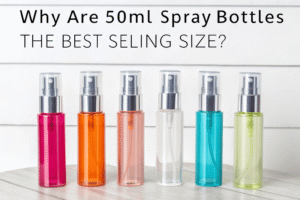
Why Are 50ml Spray Bottles the Best-Selling Size?
You're developing a new product and you're stuck on a critical decision: the bottle size.