

Is Your Eco-Friendly Sunscreen Packaging Actually Green, or Just Greenwashing?
January 13, 2026 • Mike Lee
Your brand wants sustainable sunscreen packaging. But using unverified eco-materials can lead to leaks and failures, creating more waste and angry customers than you started with.
Truly eco-friendly sunscreen packaging balances sustainability with performance. It uses verified materials like PCR plastic at levels that won't compromise the bottle's integrity when exposed to aggressive sunscreen formulas, ensuring the package is both responsible and reliable.
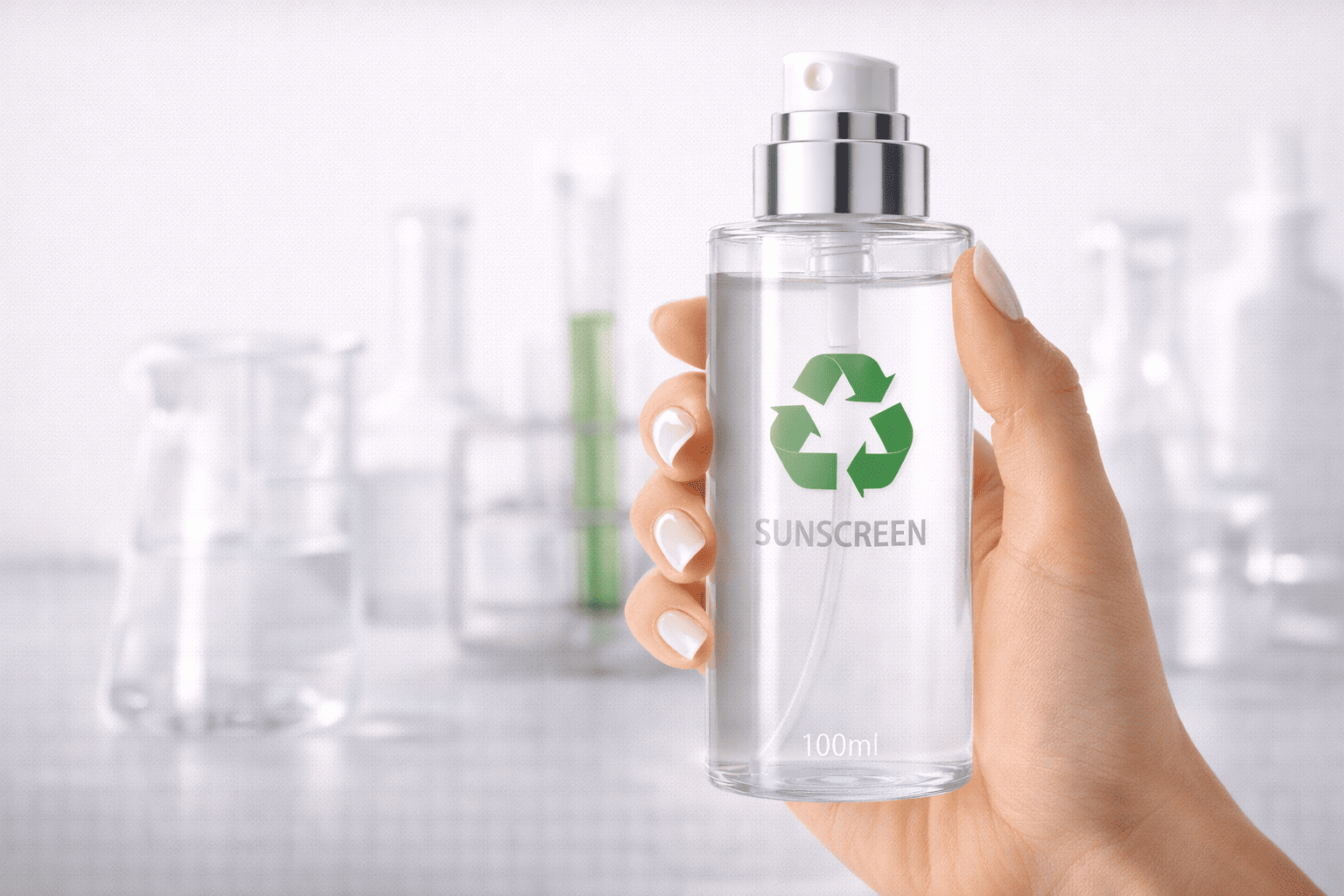
I once worked with a passionate founder who insisted on a 100% PCR (Post-Consumer Recycled) bottle for her new mineral sunscreen. Her commitment was amazing. But I had to caution her. Sunscreen formulas are tough on plastic. We ran compatibility tests, and within weeks, the 100% PCR bottle became brittle and started to show micro-cracks. It would have been a disaster at launch. We found a solution with a lower, validated PCR percentage that was both sustainable and safe. It taught me that for sunscreen, true sustainability means making packaging that actually works and doesn't end up in the trash prematurely.
What are the benefits of eco-friendly packaging?
You see competitors promoting their "green" packaging and wonder if it's worth the investment. You're not sure if the benefits go beyond just a marketing claim to attract customers.
The benefits are huge. Eco-friendly packaging reduces your carbon footprint, conserves resources, and meets growing consumer demand for sustainability. More importantly, it builds a powerful, positive brand story that fosters deep customer loyalty.
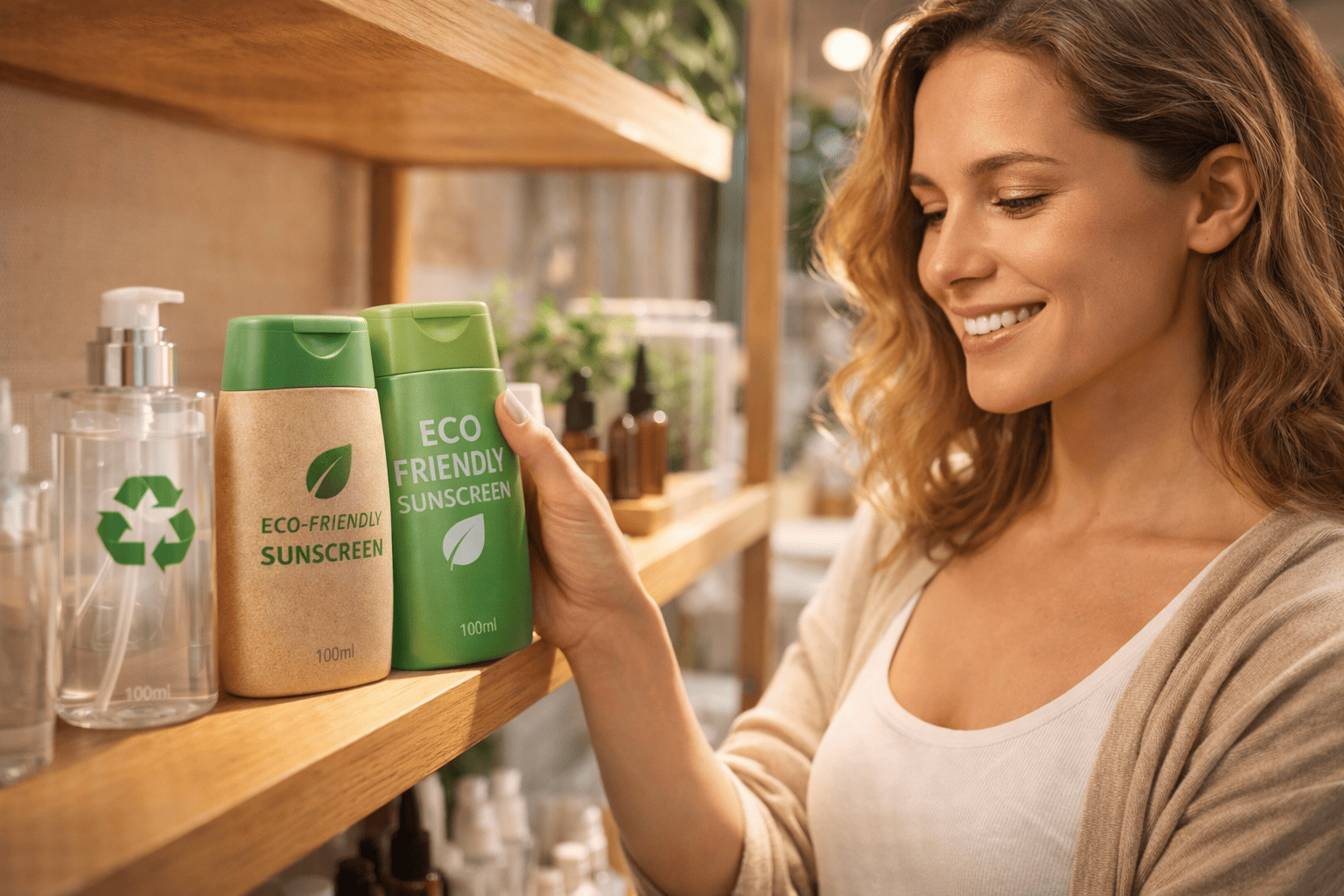
The move toward eco-friendly packaging is one of the most significant shifts in the consumer goods industry, and the benefits are both ethical and commercial. For a brand like RAS BEAUTY, a strong sustainability message resonates deeply with modern premium consumers. It's not just about looking good; it's about doing good. On a practical level, using materials like PCR plastic reduces the demand for new fossil fuels and lowers greenhouse gas emissions from manufacturing. But the business case is just as compelling. It strengthens your brand's reputation, making it more attractive to retailers and investors who have their own sustainability mandates. Most importantly, it creates an emotional connection with your customers. When they choose your product, they feel like they are part of a positive solution. This shared value is the foundation for the kind of brand loyalty that turns one-time buyers into lifelong advocates.
Are eco-friendly products really eco-friendly?
You're skeptical about the green claims you see everywhere. You worry that choosing a "sustainable" material for your sunscreen might just be a marketing gimmick that doesn't hold up to scrutiny.
Often, they are not, especially with sunscreen. A package made from 100% PCR plastic might seem eco-friendly, but if it degrades and leaks, it creates waste and damages trust. True eco-friendliness requires a balance of sustainable materials and functional durability.
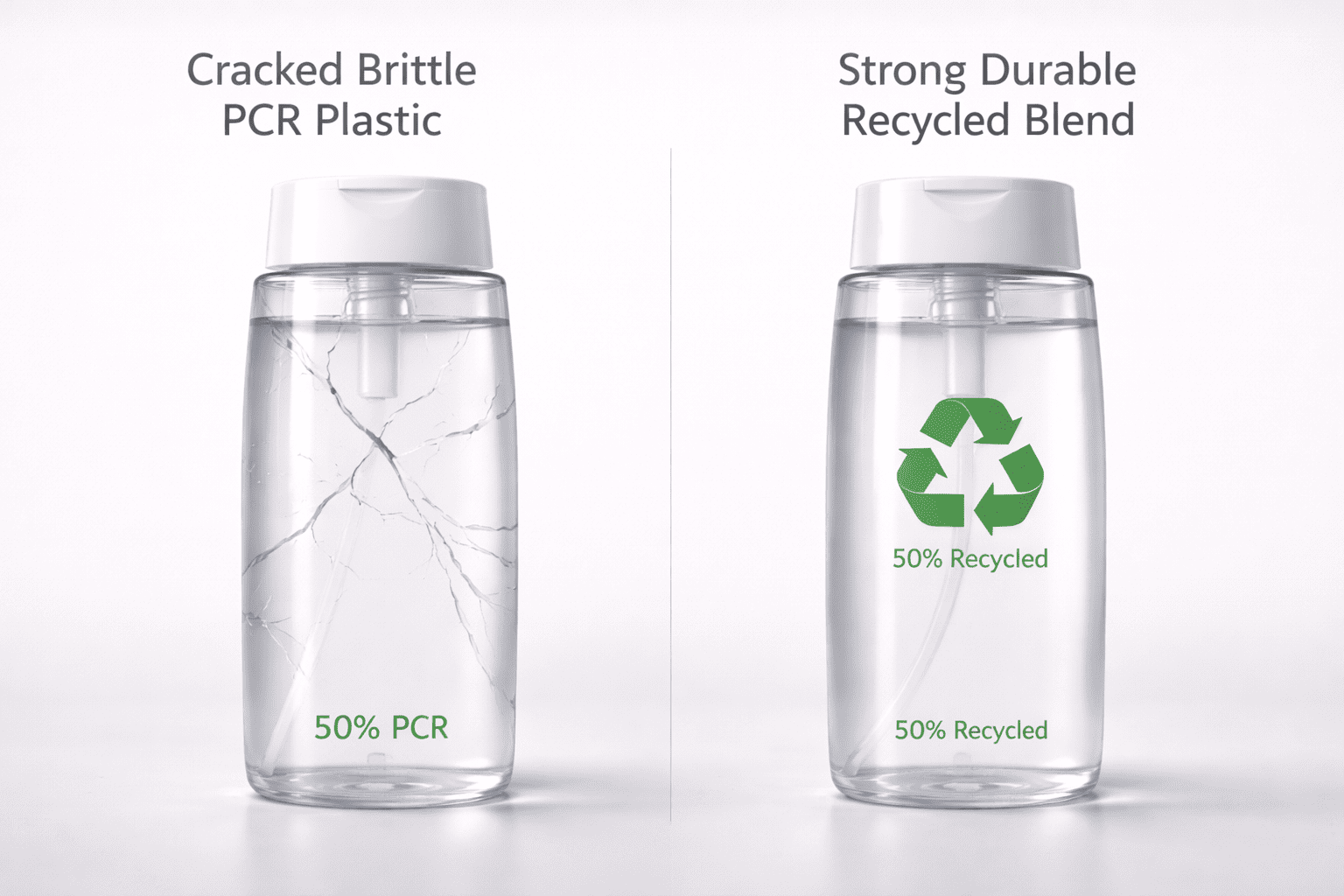
This is the hard truth that many packaging suppliers won't tell you. The term "eco-friendly" can be misleading. Let's break down the reality for sunscreen packaging.
The Challenge: Performance vs. Purity
| Material Claim | Marketing Appeal | The Hidden Risk for Sunscreen |
|---|---|---|
| 100% PCR Plastic | "Made entirely from recycled materials!" | PCR resin can have impurities and lower structural integrity. Aggressive sunscreen formulas can cause it to become brittle, crack, or leak. |
| Bio-plastics (e.g., PLA) | "Compostable and plant-based!" | Many bio-plastics have low heat tolerance and poor chemical resistance, making them unsuitable for sunscreen. They may deform in a hot car and often require industrial composting facilities not available to most consumers. |
| Refillable Systems | "Reduce, Reuse, Recycle!" | This is a great option, but the primary bottle must be extremely durable and made of high-quality, compatible materials to withstand repeated use and cleaning without degrading. |
The most responsible approach is often a hybrid one. For example, using a bottle with 30% or 50% certified PCR mixed with virgin material provides a significant environmental benefit while retaining the strength needed to safely contain the product for its entire lifecycle.
When companies make false or exaggerated claims about how environmentally friendly their products are, it is known as?
You want to make sustainability claims for your brand, but you're afraid of being accused of dishonesty. You see other brands making bold statements and wonder where the line is drawn.
This is known as "greenwashing." It's the practice of using misleading marketing to persuade the public that a company's products, aims, or policies are more environmentally friendly than they actually are.
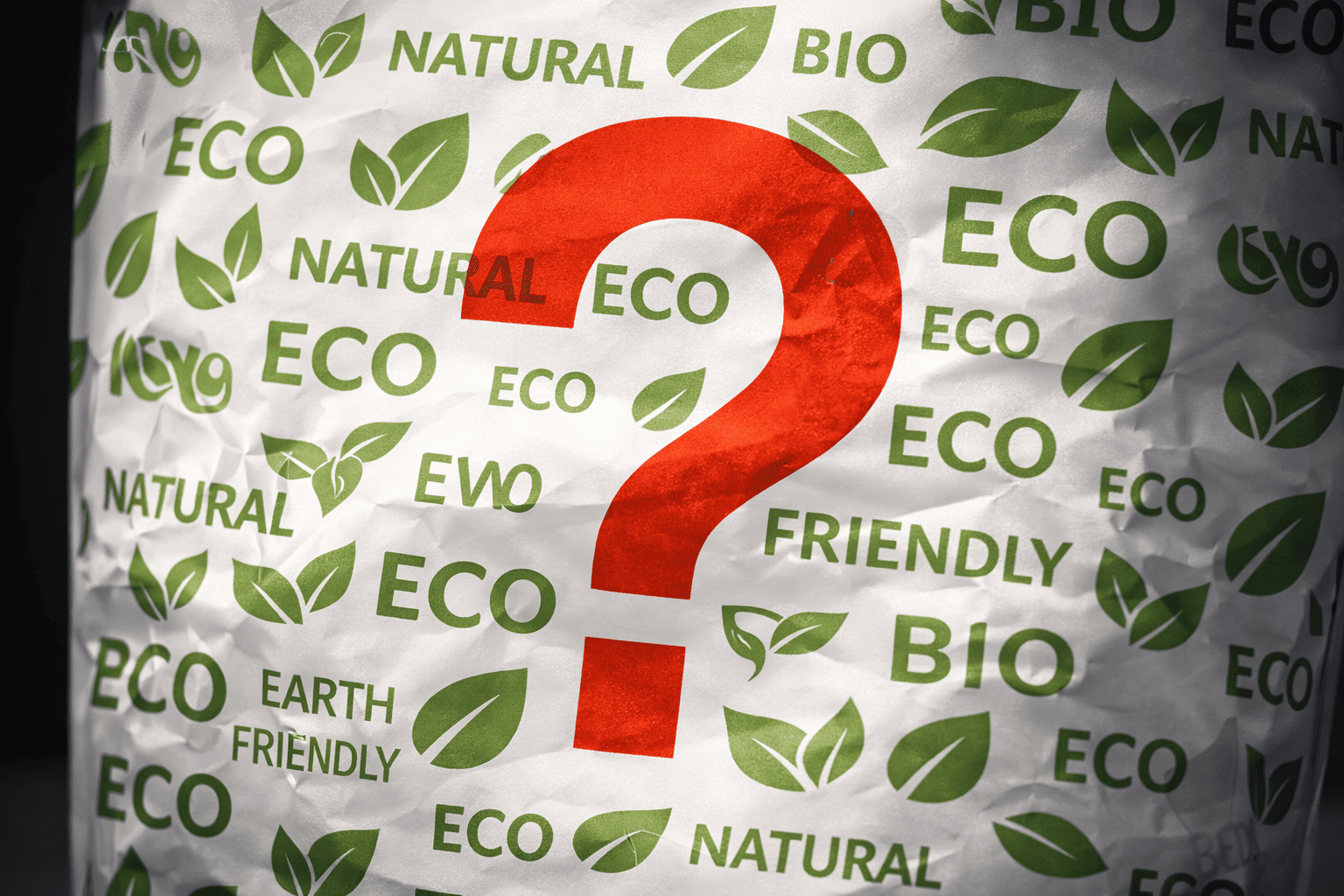
Greenwashing is a major risk for any brand entering the sustainability space. It erodes consumer trust not just in the offending company, but in the environmental movement as a whole. For a brand owner like Shubihika or a procurement manager like Sani, avoiding it is crucial for long-term brand health. Greenwashing often involves using vague terms like "eco-friendly" or "natural" without any specific proof. It can also mean highlighting one small green attribute while ignoring a larger negative impact, like promoting a recyclable bottle while the formula contains environmentally harmful ingredients. The antidote to greenwashing is transparency and verification. Instead of just saying "eco-friendly," say "Our bottle is made with 30% certified ocean-bound PCR plastic, reducing our use of virgin plastic by X amount." This specific, verifiable claim builds credibility. As a manufacturer, our role is to provide clients with the testing data and certifications they need to make honest, defensible claims that consumers can trust.
Conclusion
True sunscreen sustainability isn't about marketing claims; it's about performance. By balancing recycled materials with formula compatibility and rigorous testing, you can create packaging that is both genuinely responsible and reliably effective.
Written by

Mike Lee
You may also be interested in:
Why Is Sunscreen Packaging More Challenging Than Skincare Packaging?
You have a great serum in a beautiful bottle and a moisturizer in a premium
How Can You Prevent the Top 5 Sunscreen Packaging Failures?
Your sunscreen launch is at risk from hidden packaging flaws. These issues often appear post-launch,
How Do You Choose the Right Spray Output (0.12/0.18/0.25ml) for Your Product?
You're looking at supplier options and see a list of numbers: 0.12ml, 0.18ml, 0.25ml. You
What's the Best 50ml Fine Mist Spray Bottle for a Facial Mist?
Your facial mist formula is perfect, but the wrong spray bottle can deliver a harsh,
