
How Will Sustainable Packaging for Skincare Mists Change by 2026?
December 29, 2025 • Mike Lee
You know your brand needs to be more sustainable, but the options are overwhelming. You hear about "eco-friendly" materials, but you fear making a costly mistake on a packaging solution that isn't truly sustainable.
By 2026, sustainable skincare mist packaging will be defined by three key innovations: the widespread use of Post-Consumer Recycled (PCR) materials, the rise of consumer-friendly refillable systems, and the adoption of easily recyclable monomaterial pumps and bottles.
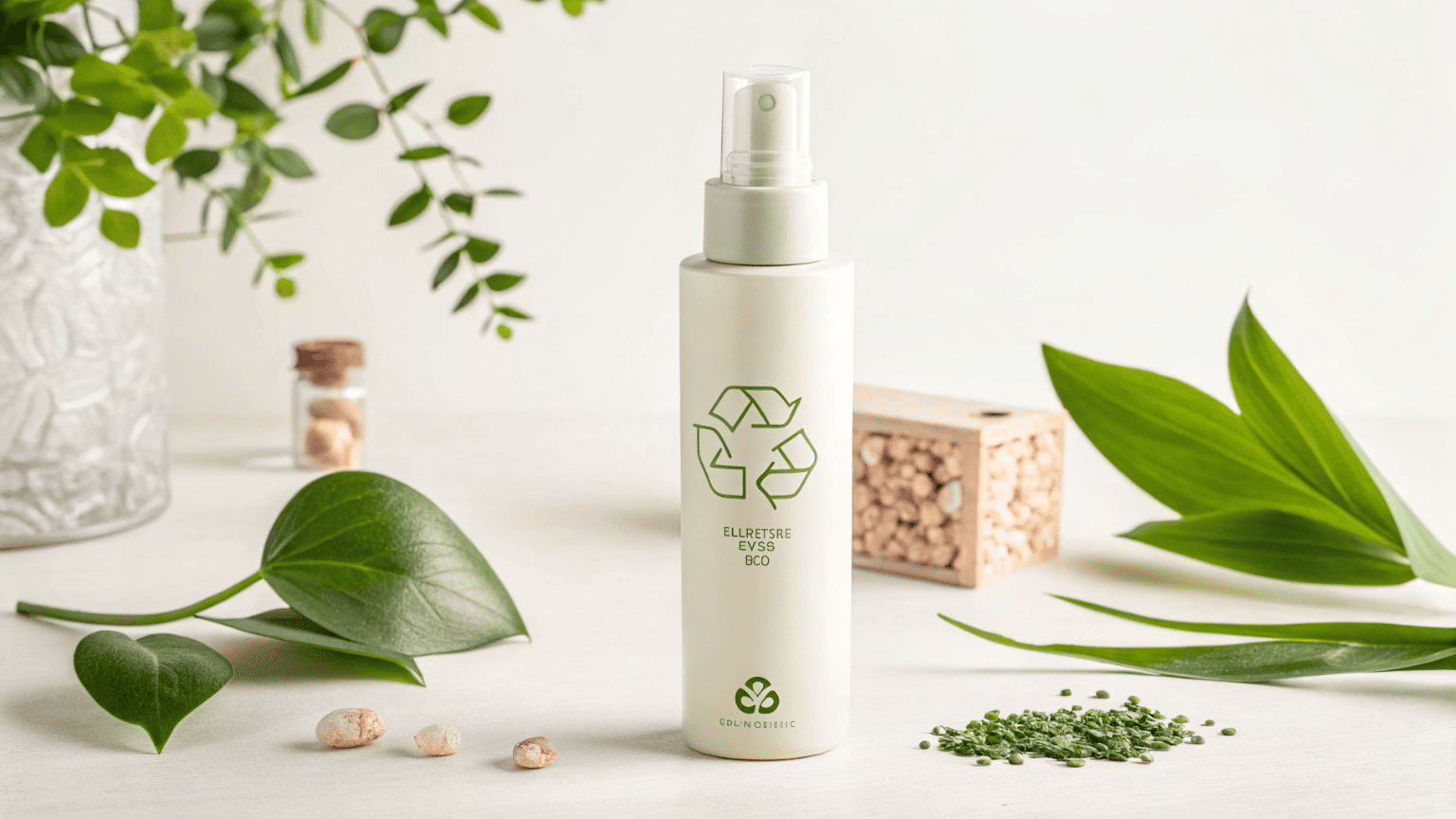
I remember talking with a client who was about to invest a huge amount of money into a "plant-based biodegradable" plastic for their new facial mist. It sounded great on paper. But I had to explain that most industrial composting facilities don't accept these materials, so they usually end up in a landfill anyway, where they can release methane. We pivoted their strategy to focus on PCR plastic, which uses existing waste and is easily recyclable. It was a less flashy story, but a much more honest and effective approach to sustainability. This is why understanding the practical realities is so important.
What are the key skincare packaging trends for 2026?
You want to update your packaging to be more eco-conscious, but you don't know where to start. You see terms like PCR, refillable, and monomaterial, but it is not clear which one will have the biggest impact.
By 2026, the most important trends will be using high-percentage PCR content to reduce virgin plastic, designing for refillability to cut down on waste, and creating monomaterial packaging that can be easily recycled by consumers.
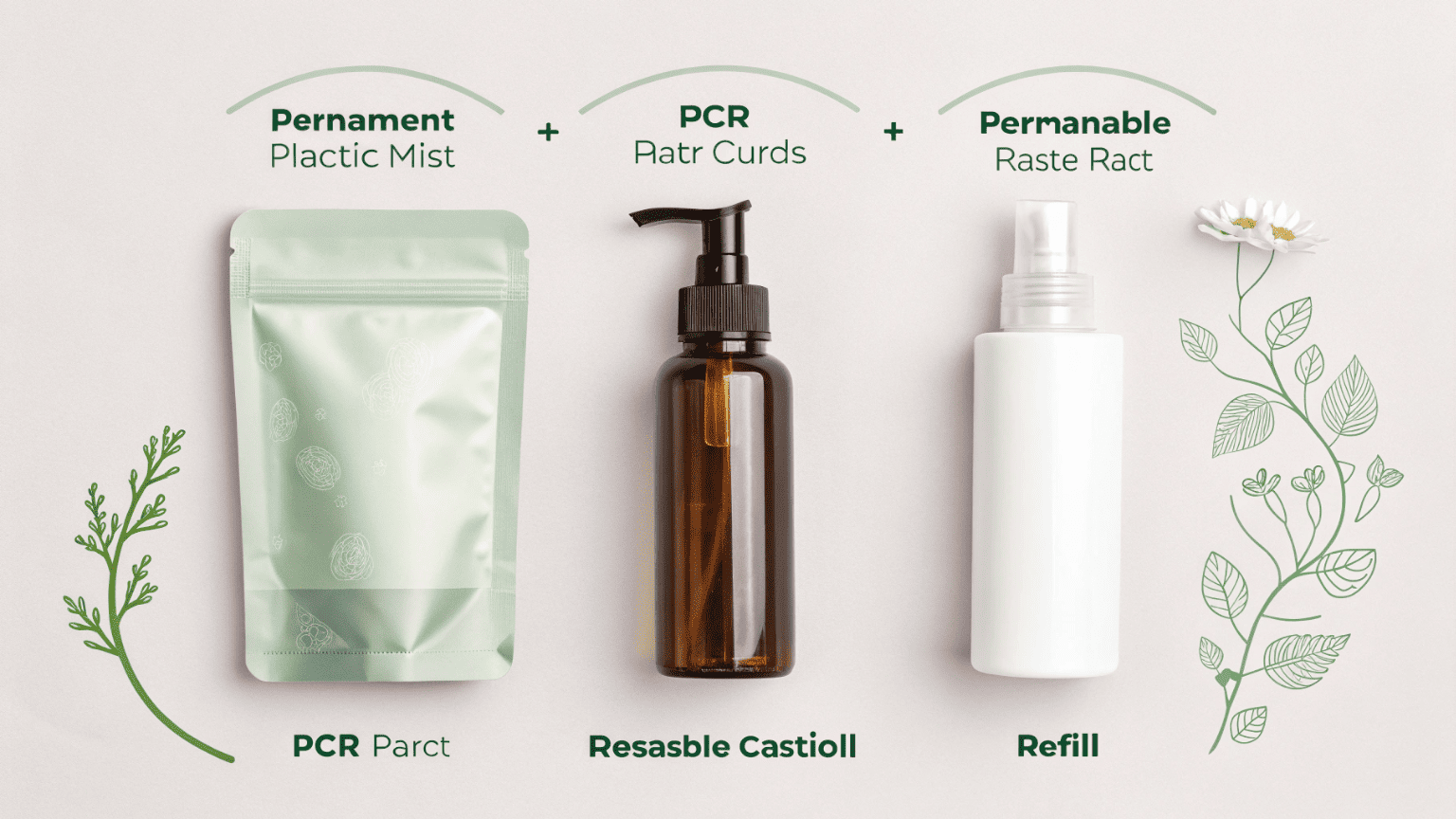
Let's break down what these trends actually mean for your business. The first, and most accessible, is using PCR (Post-Consumer Recycled) plastic. This means making new bottles from old, recycled ones, which dramatically reduces the need for new fossil fuels. Second is the move to refillable models. Instead of throwing the whole package away, the customer keeps the beautiful primary bottle and pump and buys a simpler, cheaper refill pouch or pod. This builds customer loyalty and significantly cuts down on packaging waste. The third, more technical trend is monomaterial design. Standard mist pumps contain a small metal spring, which makes them a mixed-material item that is difficult to recycle. New all-plastic (e.g., all-PP) pumps are emerging that can be recycled right along with the bottle.
| Trend | How It Works | Main Benefit |
|---|---|---|
| High-PCR Content | Manufacturing new bottles from recycled plastic flakes. | Reduces reliance on virgin, fossil-fuel-based plastic. |
| Refillable Systems | Customers buy a permanent bottle once, then purchase refills. | Dramatically reduces overall packaging waste and can lower long-term costs. |
| Monomaterial Design | Using a single type of plastic (e.g., PP) for both bottle and pump. | Makes the entire package easily recyclable without disassembly. |
What can skincare packaging learn from haircare trends in 2026?
You might think skincare and haircare are separate worlds. You focus on skincare trends and ignore what is happening in the haircare aisle, potentially missing out on major packaging innovations.
Haircare, which often uses larger volumes, will lead the way in 2026 with large-format refill pouches and high-performance, recyclable pumps. Skincare mist brands can adopt these proven models to enhance both sustainability and user convenience.
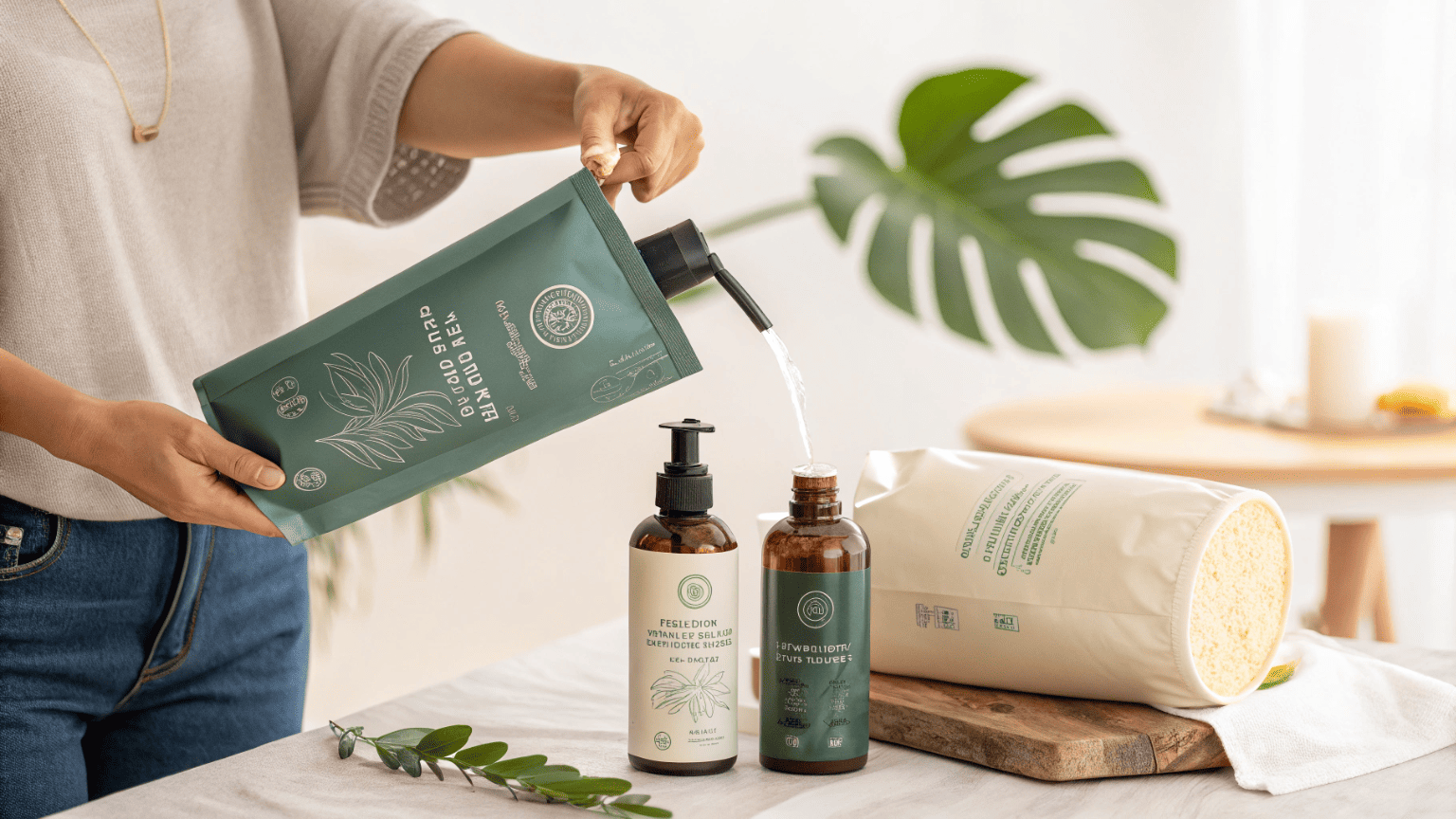
Think about products like leave-in conditioners, heat protectants, or texturizing sprays. They all use mist sprayers, just like facial mists. Because haircare is a high-use category, brands in this space have been forced to innovate on sustainability faster. By 2026, it will be common to see a 150ml bottle of hair spray sold alongside a 500ml refill pouch. This is a model that skincare mists can and should adopt immediately. It provides excellent value for the loyal customer and is a clear environmental win. Furthermore, haircare formulas can be thick and demanding on pumps. This has driven the development of robust, clog-resistant, all-plastic pumps that can handle a variety of formulas. As these technologies become more widespread, skincare brands can benefit from the reliability and recyclability that was first proven in the haircare market.
What will be the defining beauty packaging trends of 2026?
You are looking for the big picture. Beyond just skincare or haircare, you want to know the fundamental shift in consumer and brand expectations for packaging that will shape the entire beauty industry.
The defining beauty trend for 2026 is "Conscious Convenience." Consumers will demand packaging that is both easy to use and transparently sustainable. Brands that combine clever design with clear, honest eco-messaging will win.
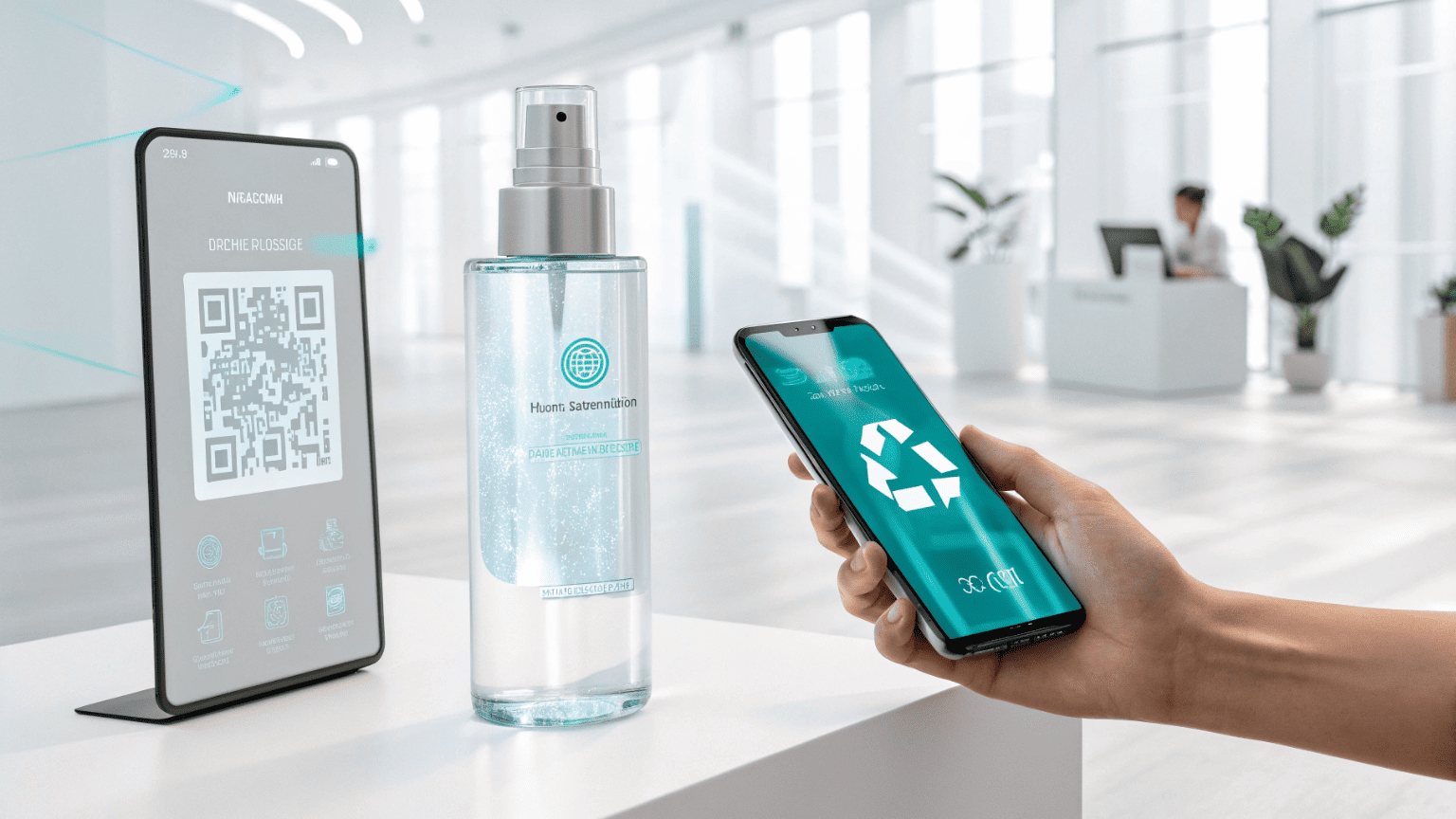
For decades, convenience and sustainability were seen as opposites. Convenience meant disposable, single-use items. Sustainability meant complicated, and sometimes less effective, alternatives. By 2026, that will no longer be acceptable. The winning brands will master "Conscious Convenience." This means designing a refill system that is intuitive and mess-free. It means using PCR materials that don't compromise the look and feel of the premium product. It means adding a simple QR code to the bottle that instantly shows a customer exactly how to recycle it in their specific area. The focus will shift from just making a "green" claim to actively helping the consumer participate in the circular economy with minimal effort. The packaging itself will become a tool for education and a symbol of the brand's genuine commitment.
Conclusion
By 2026, sustainable packaging will be a non-negotiable part of the beauty industry. For skincare mists, this means embracing PCR plastics, refillable designs, and monomaterial components to meet the demand for conscious convenience.
Written by

Mike Lee
You may also be interested in:
Public vs. Private Molds: Which Packaging Will Grow Your Brand Faster?
You're ready to launch your product, but you're facing a critical packaging choice. You feel

OEM/ODM Spray Bottle Projects: The Most Common Delays and How to Avoid Them?
You’ve finally approved the plan for your new product line. The excitement is high, but

What Are the Top 5 Small Spray Bottle Trends for Skincare and Cosmetics in 2026?
Your new facial mist has a beautiful formula, but you're planning to use a standard

What Can We Learn from Market Leaders in Eco-Friendly Beauty Packaging?
You want your brand to be more sustainable, but the world of eco-friendly packaging is
