How Can Brands Go Green With Sunscreen Packaging Without Sacrificing Style?
November 21, 2025 • Mike Lee
You want to make your sunscreen packaging more eco-friendly, but you're worried. You see "green" options that look boring or cheap, and you fear that switching will damage your brand's premium, stylish image.
Brands are achieving this by embracing smart material science: using high-clarity PCR plastics, designing elegant mono-material pumps, and adopting alternative materials like sleek aluminum or minimalist paperboard that turn sustainability itself into a style statement.
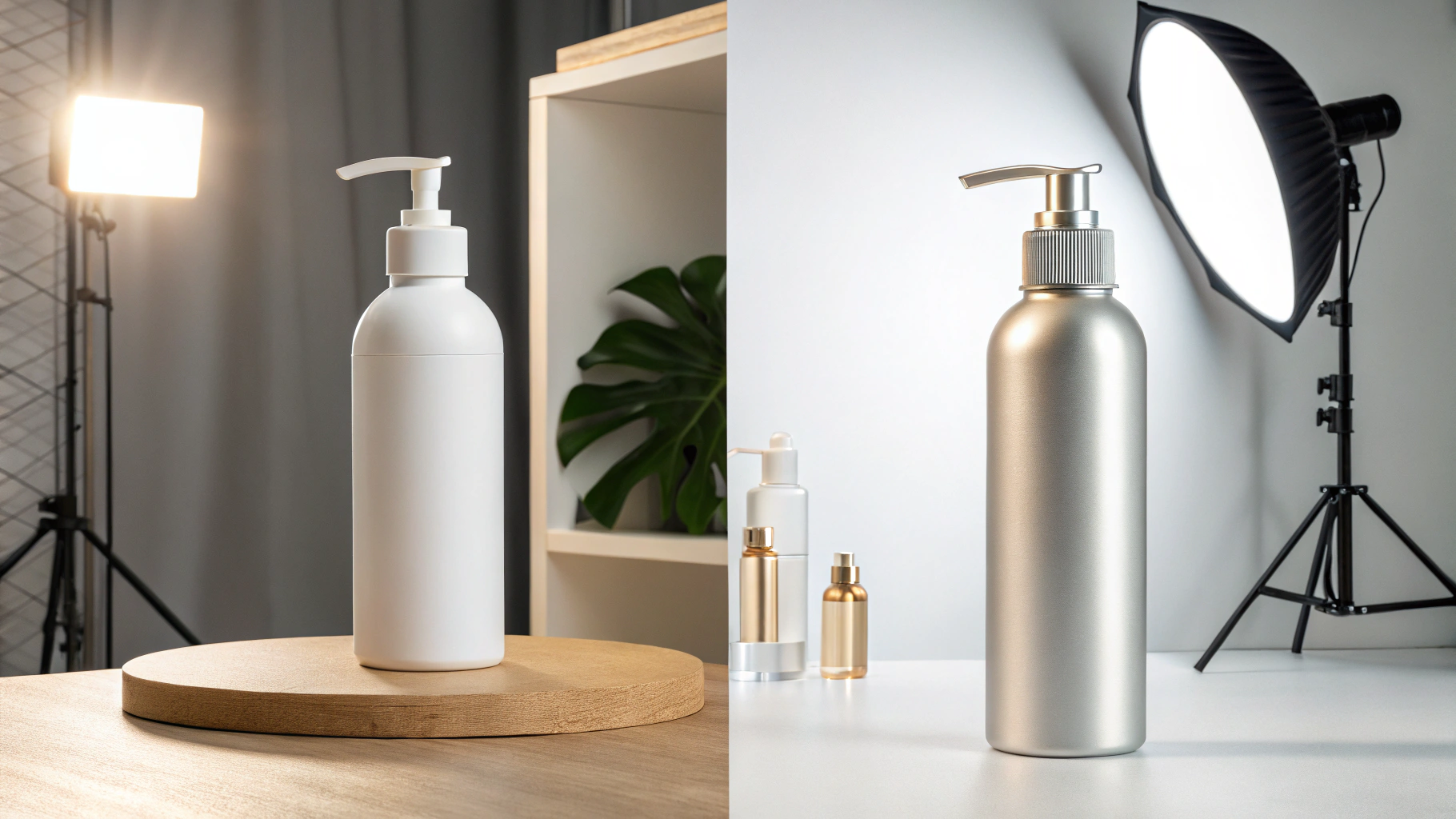
This is a conversation I have with brands almost every week. I remember a luxury skincare brand that wanted to use recycled plastic for their new sunscreen line. Their marketing director was completely against it. He said, "Our customers pay for perfection, not for trash." He had this image of cloudy, low-quality plastic. I brought a sample of our latest high-clarity PET bottle made with 50% Post-Consumer Recycled (PCR) plastic to our next meeting. I put it next to their current bottle made from virgin plastic. He couldn't tell the difference. He was shocked. They made the switch, and now "Made with 50% Recycled Materials" is a key part of their marketing, adding a layer of modern virtue to their luxury brand.
What are the best eco-friendly packaging options that still look stylish?
You're ready to explore green packaging, but the options are overwhelming. You see terms like PCR, mono-material, and aluminum, and you're not sure which choice will best fit your brand's aesthetic and budget.
The best stylish options are PCR plastics that mimic virgin material quality, elegant mono-material pumps that simplify recycling, and minimalist aluminum tubes or tins that offer a chic, plastic-free alternative for certain formulas.
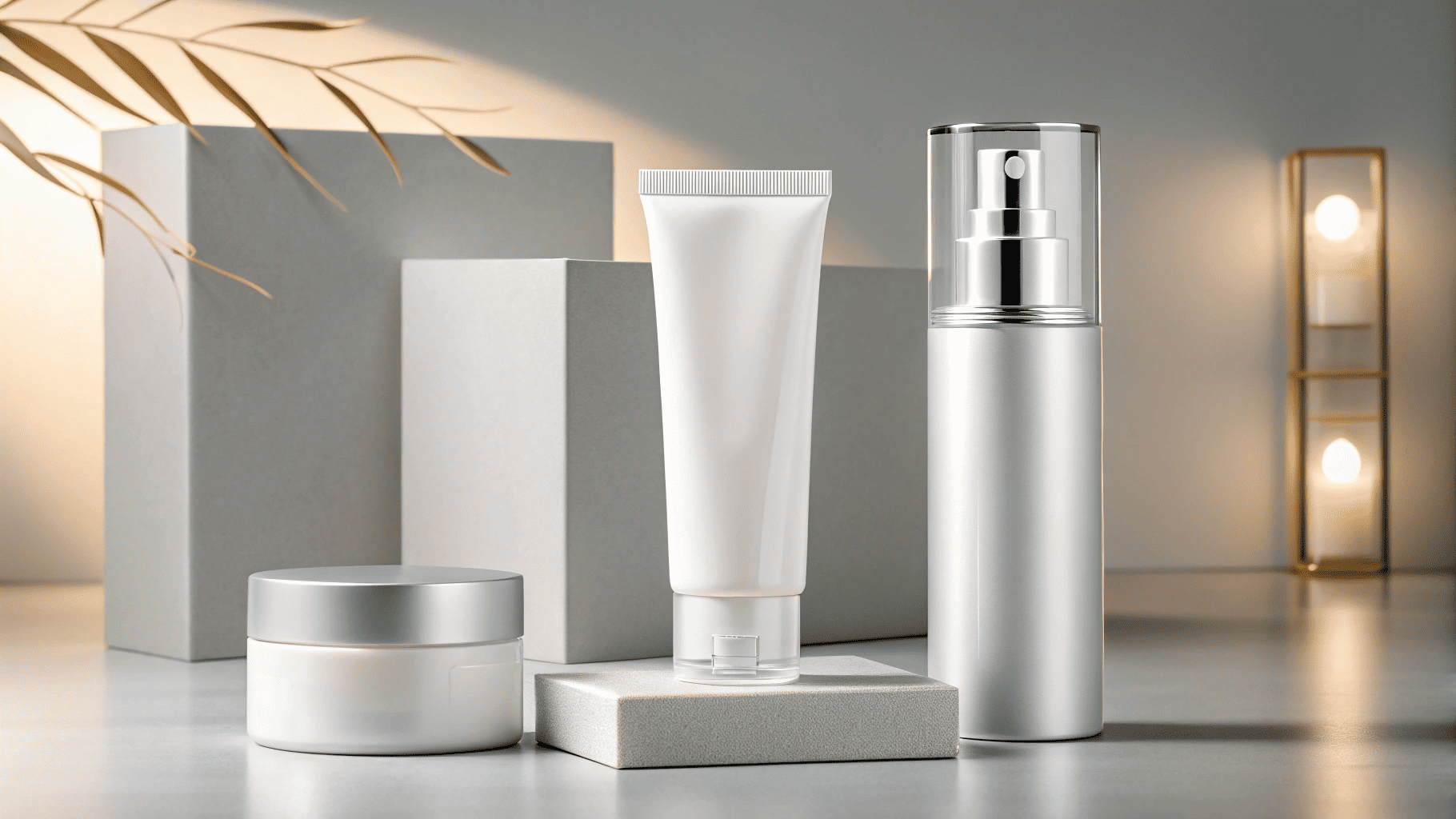
Choosing the right material is about matching its properties to your brand's identity. "Eco-friendly" is not a single look; it's a spectrum of choices, each with its own aesthetic. A good supplier can guide you, but understanding the core options is the first step. You don't have to compromise on style; you just have to choose the right kind of green.
| Material Option | The Style It Creates | The Green Credential |
|---|---|---|
| High-Clarity PCR Plastic | Can be visually identical to virgin plastic. Modern, clean, and familiar to consumers. | Reduces demand for new fossil fuels and supports a circular economy for plastic. |
| Mono-Material (All-PP) | Often minimalist and opaque. Communicates technical sophistication and smart design. | Makes recycling incredibly simple and effective, as no material separation is needed. |
| Aluminum or Paperboard | Chic, vintage, or ruggedly natural. Offers a distinct texture and feel that stands out. | Plastic-free, infinitely recyclable (aluminum), or biodegradable (paperboard), appealing to the most eco-conscious consumers. |
How does a brand like Raw Elements succeed with non-plastic packaging?
You see brands like Raw Elements using tins and paperboard and wonder how they pull it off. You assume these materials are only for niche, "earthy" brands and won't work for a mainstream or premium product.
Raw Elements succeeds because their packaging is the ultimate expression of their brand promise. They built their identity around being "reef-safe" and "plastic-free," so the aluminum tin isn't just a container; it's their most powerful marketing tool.

This is a masterclass in brand alignment. Raw Elements isn't just selling sunscreen; they are selling a plastic-free philosophy. Their target customer isn't looking for a typical lotion; they are actively seeking alternatives to plastic. In this context, the tin is not a compromise—it's the main attraction.
The Non-Plastic Playbook:
- Formula First: This strategy works best with solid or balm-like formulas. Raw Elements' "Face + Body" sunscreen is a thick paste, which is perfect for a tin. Liquid lotions would require a completely different solution.
- Audience Targeting: They are not trying to compete with Neutrogena on the drugstore shelf. They are targeting a specific consumer who prioritizes ingredient purity and environmental impact above all else.
- Authenticity is Style: For their audience, the simple, functional, and infinitely recyclable tin is more beautiful and stylish than any glossy plastic bottle because it represents authenticity. The style comes from the brand's unwavering commitment to its values.
How do you begin the switch to greener packaging without a complete overhaul?
You are convinced about going green, but the idea of redesigning your entire packaging line is daunting and expensive. You're looking for a practical, manageable first step to start your sustainable journey.
The easiest way to start is with a "drop-in" solution. Switch your existing bottle or tube to a PCR version, or ensure your cap and bottle are made from the same material (mono-material). These changes often require no new molds and offer immediate environmental benefits.
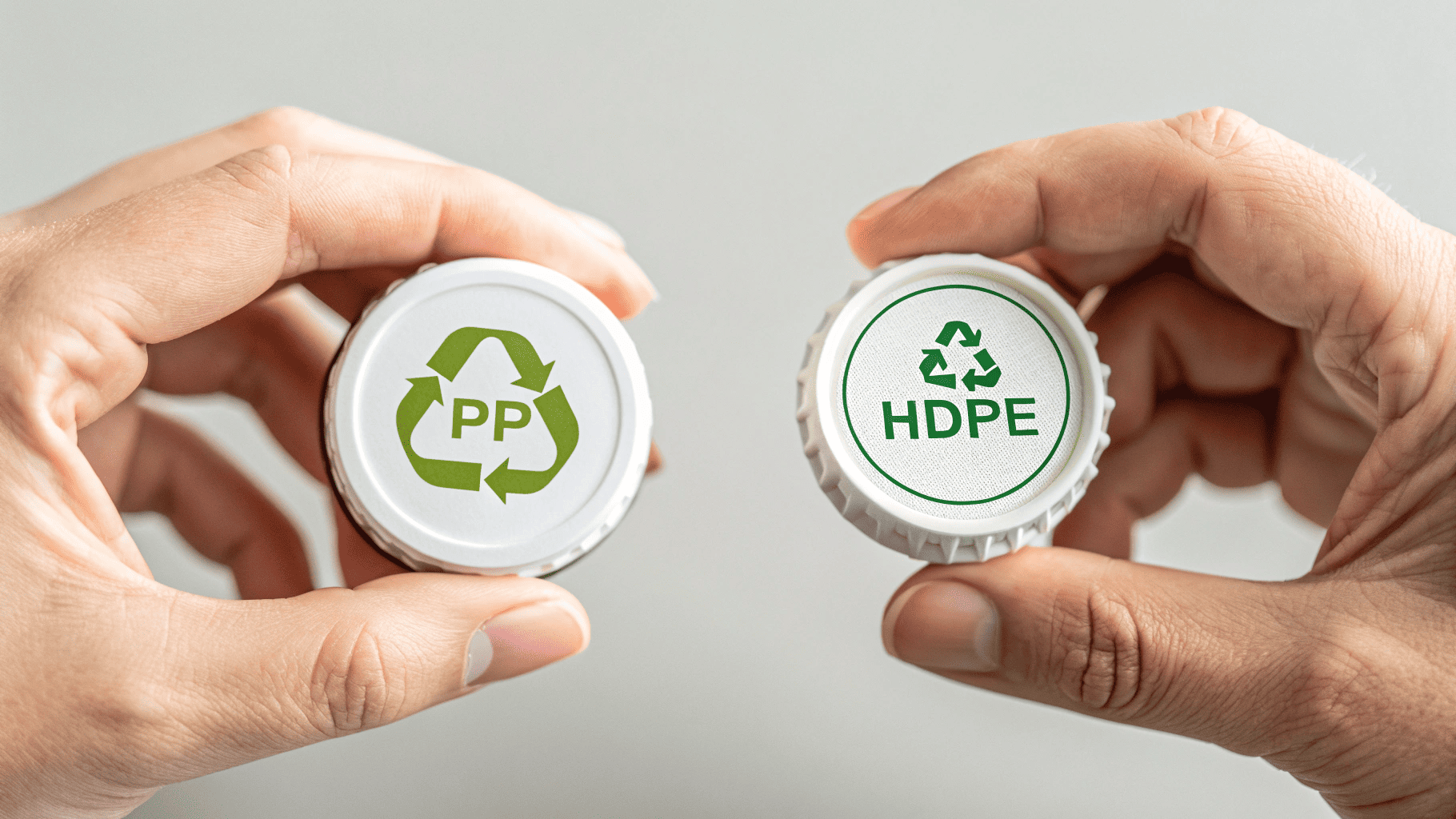
You don't have to go from zero to fully plastic-free overnight. The most successful transitions I've seen are iterative.
Your First Steps to Greener Packaging:
- Talk to Your Supplier: Ask them, "What are the PCR options for my current tube?" or "Can we make the cap for my bottle out of the same PP material as the bottle itself?" A good supplier will have ready-made solutions.
- Focus on Components: Sometimes, the bottle is already recyclable PET, but the pump has a metal spring. Ask about new all-plastic pumps that make the entire package recyclable. This small change can have a big impact.
- Start with One Product: Choose your bestseller or your next new launch to pilot a green packaging initiative. Use it as a case study to learn from before applying the changes across your entire portfolio. Small, consistent steps are more sustainable for your business than a single, massive leap.
Conclusion
Going green with your sunscreen packaging is no longer a sacrifice of style. By choosing the right materials, like high-quality PCR or sleek mono-material designs, sustainability becomes the ultimate statement of modern luxury.
Written by

Mike Lee
You may also be interested in:
How Can You Prevent the Top 5 Sunscreen Packaging Failures?
Your sunscreen launch is at risk from hidden packaging flaws. These issues often appear post-launch,
How Do You Choose the Right Spray Output (0.12/0.18/0.25ml) for Your Product?
You're looking at supplier options and see a list of numbers: 0.12ml, 0.18ml, 0.25ml. You
What's the Best 50ml Fine Mist Spray Bottle for a Facial Mist?
Your facial mist formula is perfect, but the wrong spray bottle can deliver a harsh,
Why Do Some Spray Bottles Smell Like Plastic: A Material & Quality Guide?
You just received a shipment of spray bottles for your new product, but when you